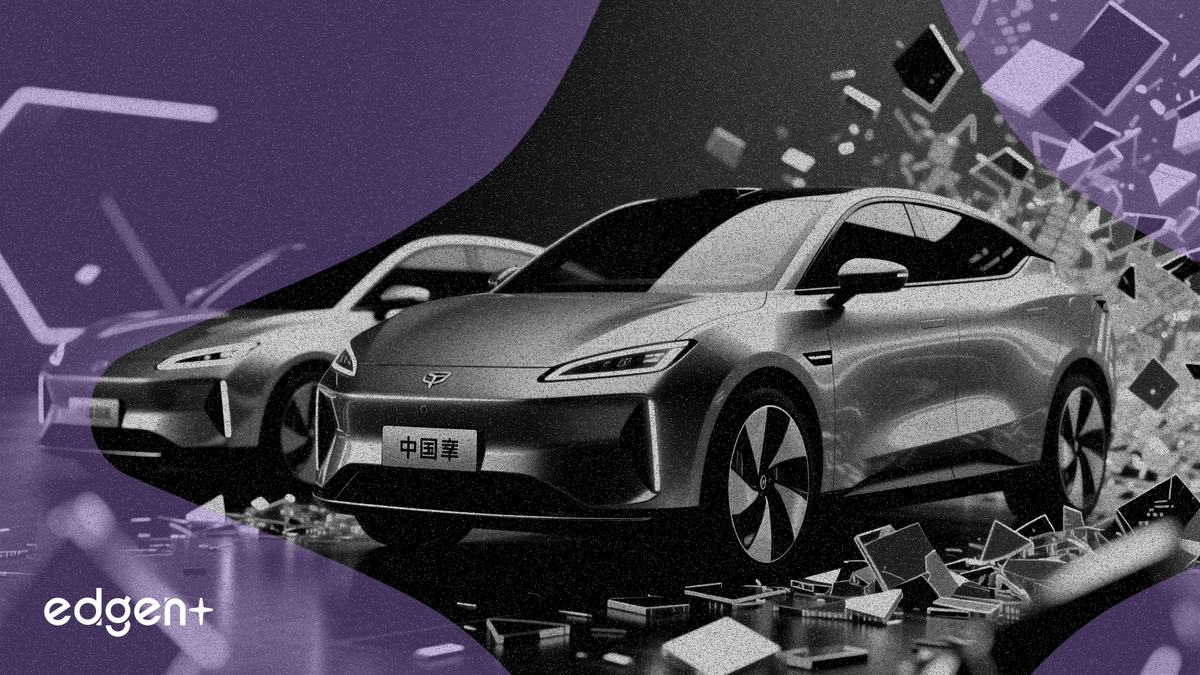
The China Association of Automobile Manufacturers (CAAM) and eight new energy vehicle (NEV) makers publicly denied widely circulated online rumors that they were summoned and investigated by regulators for remotely limiting vehicle battery performance, a practice known as "power locking."
"The online rumors claiming that eight NEV makers were summoned over power locking issues and three carmakers were formally placed under investigation was not stemmed from official source and were seriously inconsistent with the facts," a relevant official of the CAAM said.
The companies refuting the claims include Hong Kong-listed XPeng-W (09868.HK), BYD Company (01211.HK), NIO-SW (09866.HK), and Li Auto-W (02015.HK), alongside US-listed Tesla (TSLA.US) and privately held GAC Aion, Zeekr, and AITO. BYD’s anti-fraud office stated it has collected evidence and will pursue legal action. Similarly, XPeng and GAC Aion's legal department announced intentions to sue those spreading the rumors for damaging their brand reputation.
The coordinated and forceful denials are a direct attempt to restore investor confidence and counter what the companies describe as malicious misinformation. The move seeks to prevent a potential selloff in NEV stocks by separating a specific false rumor from a broader, ongoing controversy where consumer complaints about undisclosed over-the-air (OTA) updates that reduce performance have risen 273% year-on-year, according to CCTV data from March 2026.
The underlying issue of "battery locking" is a sensitive topic for the industry. The practice involves automakers using OTA software updates to alter a vehicle's battery management system, often restricting charging capacity or power output without the owner's explicit consent. While manufacturers often frame these updates as necessary for safety and battery longevity, legal experts and consumer groups argue it infringes on consumer rights and can be a way for companies to reduce warranty costs, effectively shifting depreciation costs to owners. The Ministry of Industry and Information Technology (MIIT) has previously been reported to be investigating the practice and has summoned automakers over the issue in the past.
This article is for informational purposes only and does not constitute investment advice.