
Key Takeaways:
- 日本のVLCC「ENEOSエンデバー」が、検知を避けるために位置情報トランスポンダをオフにすることで、ホルムズ海峡の通過に成功した。
- 地域紛争開始以来、日本のタンカーによる航行はこれで2例目だが、「ステルス(静默)」航行戦略を採用したのは今回が初めてである。
- 海上インテリジェンス企業ウィンドワード(Windward)は、船舶が激化する脅威を回避しようとする中、同海域での「ダーク・アクティビティ(位置情報の停止)」が600%増加したと報告している。
Key Takeaways:
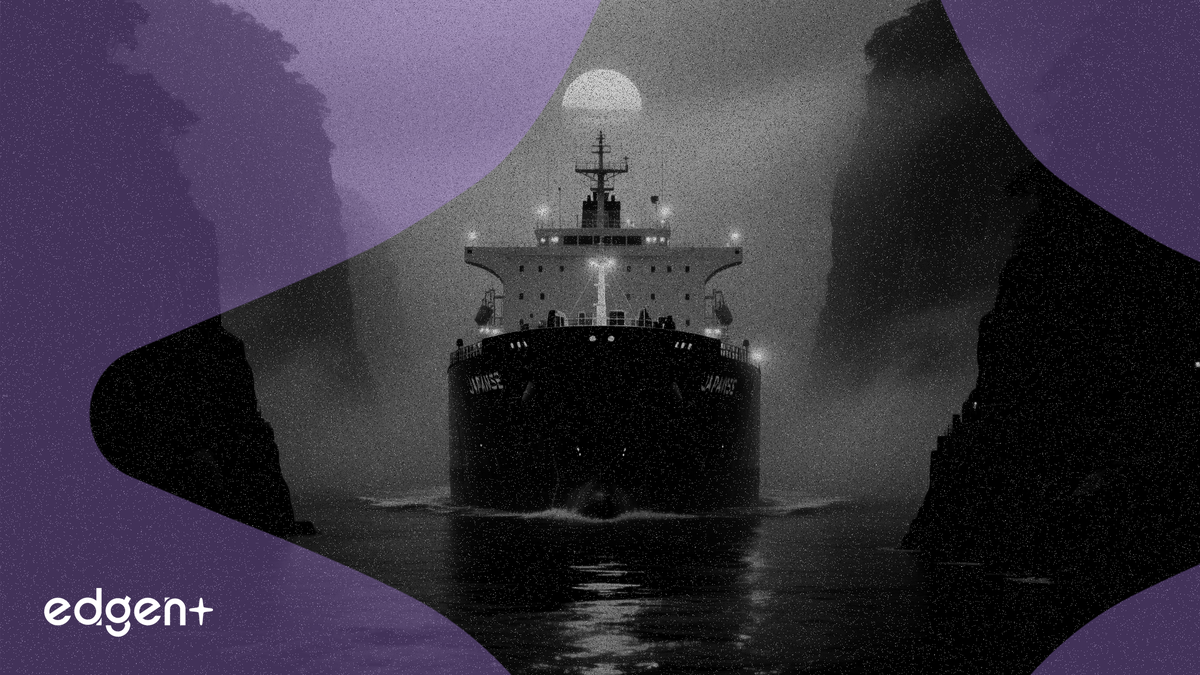
日本の超大型原油タンカー(VLCC)2隻目が、位置追跡システムを停止してホルムズ海峡の航行に成功した。これは、世界で最も重要な石油輸送のチョークポイントにおいて、危険が深刻化していることを浮き彫りにする高リスクな操船である。
「現在、この問題に対する唯一かつ最も重要な解決策は、ホルムズ海峡の完全かつ無条件の開放である」と、国際エネルギー機関(IEA)のファティ・ビロル事務局長は最近のインタビューで語った。「しかし現時点では、そうした状況からは程遠く、経済的な損害は依然として拡大し続けている」
船舶追跡データによると、このタンカー「ENEOSエンデバー(Eneos Endeavor)」は、月曜日にペルシャ湾で消息を絶った後、水曜日にオマーン湾の船舶追跡システムに再び姿を現した。アラブ首長国連邦(UAE)とクウェートからの原油を積んだ同船は、現在、最終目的地への指示を待っている。この動きは、米軍とイラン軍の監視を避けるために船舶がトランスポンダを停止させる「ダーク・アクティビティ」が600%急増していると、海上インテリジェンス企業ウィンドワード(Windward)が報告する中で行われた。
このステルス航行は、IEAが史上最大規模と呼ぶ世界的なエネルギー供給への深刻な混乱を裏付けている。この紛争により、ペルシャ湾諸国からの石油生産量はすでに日量1,400万バレル以上失われており、世界的な在庫は記録的な速さで枯渇し、各国は価格よりもエネルギー安全保障の再評価を余儀なくされている。
ENEOSエンデバーの「ステルス航行」は、4月末に位置情報を公開したまま海峡を通過した日本のタンカー1隻目「出光丸」とは対照的である。戦略の違いは、米国の封鎖リスクと、紛争開始以来30件以上に及ぶイランによる報復攻撃の脅威を、海運会社が天秤にかけていることを示している。
ENEOSエンデバーは、日本最大の石油元売りであるENEOSホールディングスによって運航されている。同社は安全上の理由を挙げ、保有船の運航状況についてのコメントを控えた。日本は中東産原油への依存度が高く、海峡通過の安全確保はエネルギーの安定供給に極めて重要である。
危険な航路を航行する船舶は、イランの港に対する米国の封鎖と、イランが主張する200〜300マイルに及ぶ拡大された「作戦領域」との板挟みになっている。米中央軍は火曜日、封鎖を執行するために65隻の商船を転送したと発表し、一方でイランは自国領海を安全に通過しようとする船舶に対し、新たな通行料制度を導入した。
これにより、海運業者にとって不透明かつ危険な環境が生み出されている。一部の船舶はイランと通過交渉を試みたが、米国の封鎖に違反したとして米軍によって転送されるなど、商用航行にとってはほぼ不可能な状況が続いている。位置情報を遮断するタンカーの急増は、これらの相反する圧力への直接的な反応であり、運航会社は「不可視化」が最も安全な選択肢であるという賭けに出ているのである。
今回の事象は、世界的な石油供給の安定性とさらなる価格ショックの可能性について新たな疑問を投げかけている。海峡を通過するための明確かつ安全な手法がない中、海上保険料の上昇は避けられず、他の海運会社も同様の高リスク戦略を採用する可能性があり、すでに脆弱なエネルギー市場にさらなる変動をもたらすことになるだろう。
本記事は情報提供のみを目的としており、投資勧誘を目的としたものではありません。
