
Agility Robotics opened a 60,000-square-foot AI training facility in Fremont, California, intensifying the race against Tesla's Optimus humanoid robot.
Agility Robotics opened a 60,000-square-foot AI training facility in Fremont, California, intensifying the race against Tesla's Optimus humanoid robot.
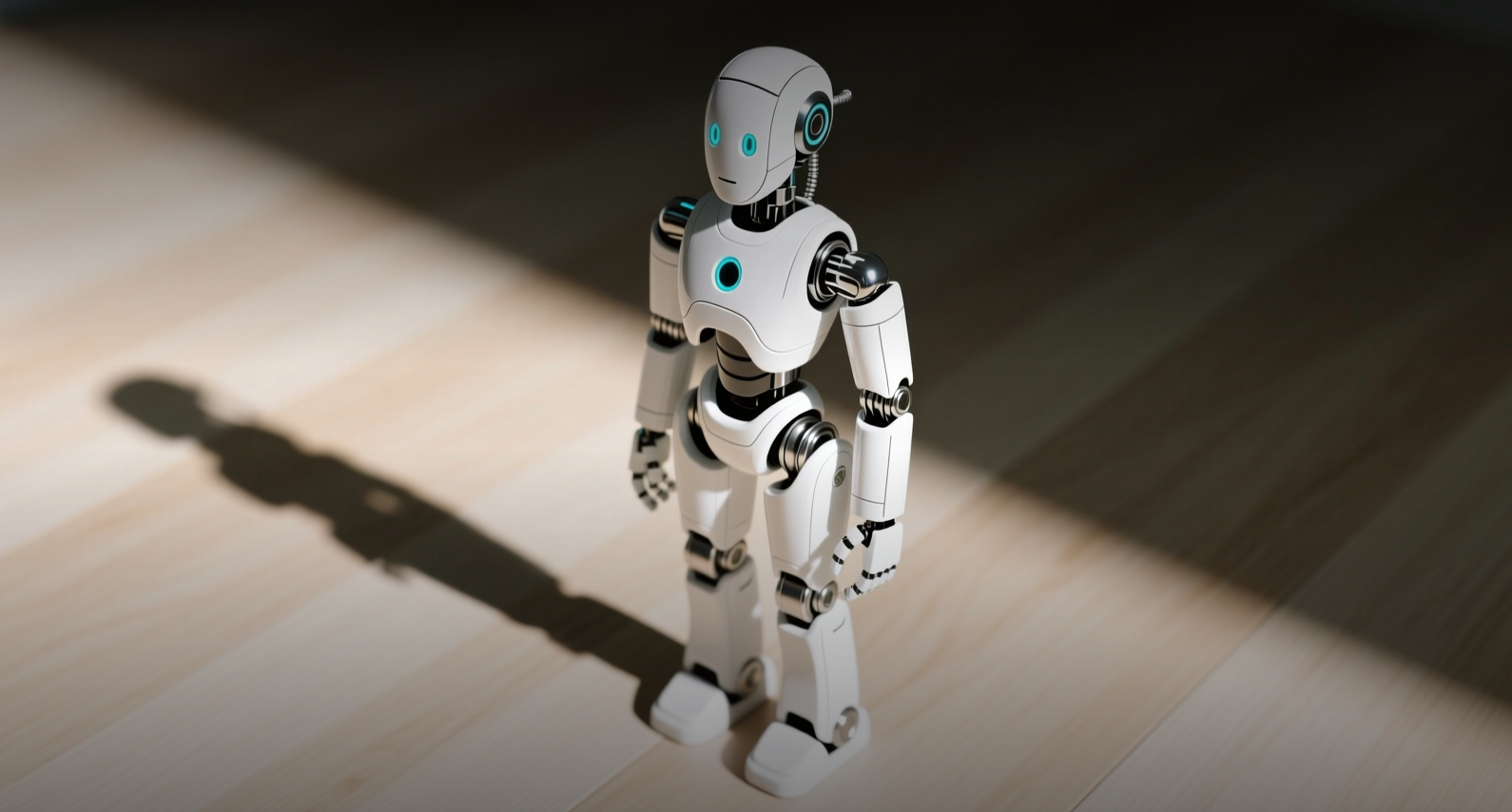
Agility Robotics opened a 60,000-square-foot facility in Fremont, California, to train its Digit humanoid robot, intensifying competition with Tesla's Optimus in a market Morgan Stanley estimates could reach $5 trillion by 2050.
"It's great to have [Tesla] in the same area as us, because really, for a long time Agility was out there alone," Chief Executive Officer Peggy Johnson said. "We have commercialized."
The company has secured more than $300 million in multi-year orders for Digit v5, with more than 30 customers in its pipeline. Digit already generates revenue carrying totes and bins for Amazon, GXO, Schaeffler, and Toyota Motor Manufacturing Canada, and has moved 100,000 totes at a single GXO logistics facility. Digit v5, expected this fall, will add human-sensing capability and operate outside robot-only zones.
Agility is pursuing a reverse-merger with Churchill Capital Corp XI that would make it the first publicly listed pure-play humanoid robotics company. The Fremont facility will house nearly 200 employees focused on AI and machine learning, complementing its RoboFab manufacturing plant in Salem, Oregon.
Digit's Head Start vs Tesla's Scale
Founded in 2015 by robotics researchers, Agility has a multiyear lead in commercial deployment. While Tesla's Elon Musk has called Optimus "the biggest product ever" and expects it to be useful outside Tesla sometime next year, Digit is already generating revenue in real-world environments. Outside observers estimate dozens of Digits have been deployed in pilot or revenue-generating roles.
The company takes a cautious approach to autonomy. Co-founder and Chairman Damion Shelton said safety-critical systems must not rely on generative AI — "you don't want to get creative with your safety stack." Instead, AI handles high-level task programming, allowing a small engineering team to deploy robots across many use cases.
The $5 Trillion Opportunity Draws Rivals
Agility faces a growing field of well-funded competitors. Figure AI, 1X, the Bot Company, and Sunday Robotics have entered the humanoid space, while Nvidia provides the computing backbone through its Isaac robotics platform, Jetson edge computers, and Omniverse simulation software. Nvidia has partnered with Agility, Figure AI, Boston Dynamics, and Foxconn.
Unlike many newer entrants, Agility is not pursuing in-home humanoid robots. Co-founder and Chief Robot Officer Jonathan Hurst said the company sees enough opportunity in manufacturing and logistics alone. "Let's start with the bins and the totes," he said. "Now we're at 100 million robots. A trillion-dollar company."
For public market investors, the humanoid robotics theme offers exposure through Nvidia, which benefits regardless of which manufacturer wins, and Tesla, which controls the full stack from AI chips to manufacturing. Agility's upcoming public listing would add a third option — a pure-play bet on commercial humanoid deployment.
This article is for informational purposes only and does not constitute investment advice.
