
Key Takeaways: All mines in the Strait of Hormuz's international waters have been cleared or destroyed, removing an immediate threat to the waterway carrying 21 percent of global oil trade.
Key Takeaways: All mines in the Strait of Hormuz's international waters have been cleared or destroyed, removing an immediate threat to the waterway carrying 21 percent of global oil trade.
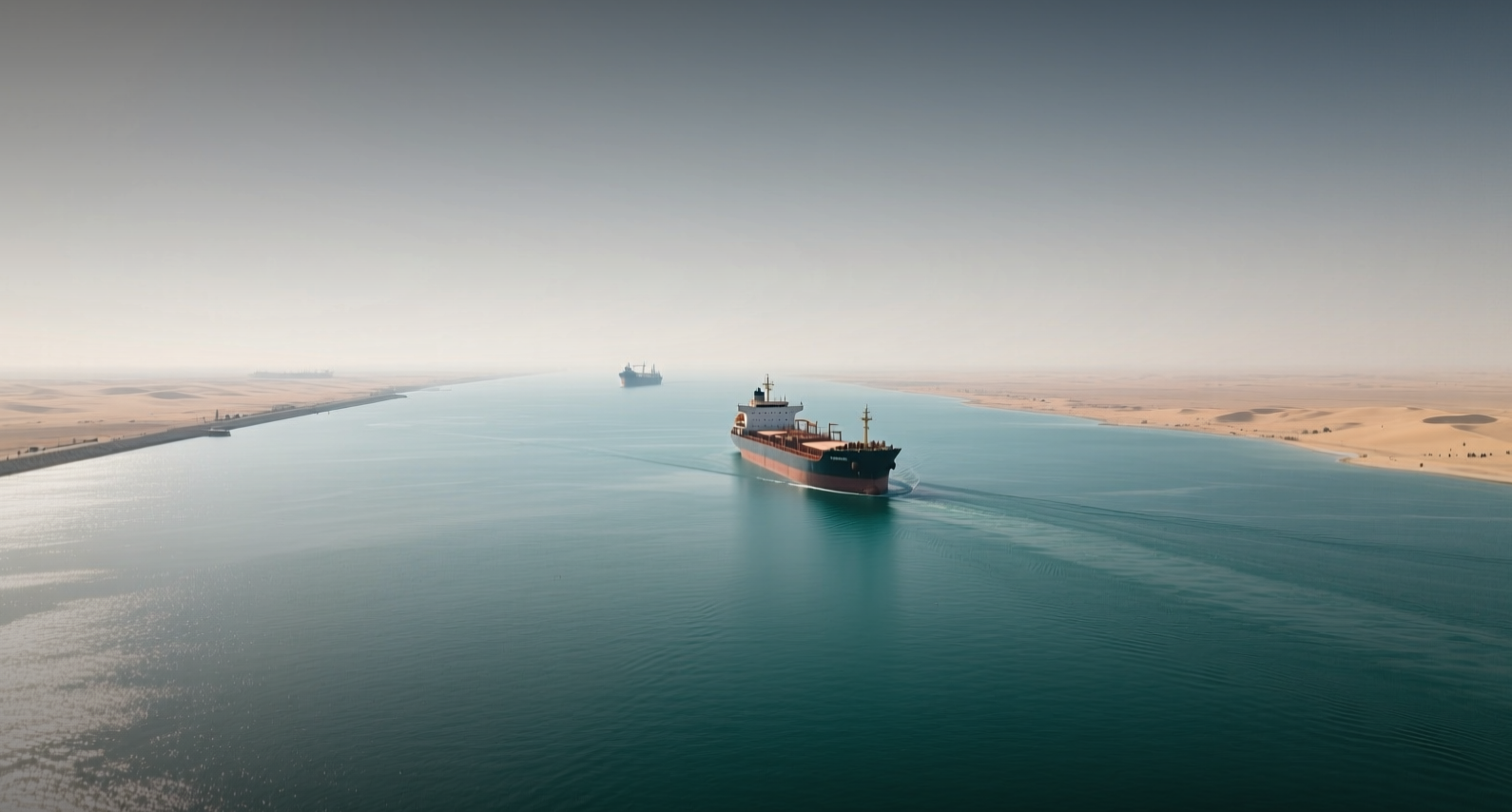
President Trump said all mines in the Strait of Hormuz's international waters have been cleared or destroyed, removing an immediate threat to the waterway carrying 21 percent of global oil trade.
"Iran has been informed that any ship or boat laying new mines would be destroyed immediately and systematically," Trump said in a Truth Social post on Aug. 25, adding that a zero-tolerance policy on mine-laying is being enforced in full.
The U.S. Space Force is monitoring the entire strait, Trump said, with surveillance also covering Pickaxe Mountain and three other nuclear facilities that have already been destroyed. The announcement follows weeks of escalating confrontation in the waterway, where Iran had deployed naval mines as part of its blockade strategy.
The mine clearance removes an immediate supply disruption risk that had threatened to choke off roughly 21 percent of global seaborne crude flows. But with U.S. forces still monitoring Iranian nuclear sites and Tehran's foreign ministry reporting negotiations for a "navigable channel" in final stages, the geopolitical risk premium in crude markets is unlikely to fully unwind.
The Strait of Hormuz has been at the center of the U.S.-Iran confrontation since Tehran began its blockade campaign. Iran's loss of significant control over the strait marks a strategic reversal, with U.S. and allied naval forces establishing dominance in the waterway. The Iranian foreign ministry said negotiations to create a "navigable channel" are in the final stages, suggesting Tehran is seeking a face-saving exit from its failed blockade.
For oil markets, the development carries immediate implications. The clearing of mines reduces the risk of a sudden supply cutoff that would have forced tanker operators to reroute around the Arabian Peninsula, adding weeks of transit time and pushing freight rates sharply higher. Shipping insurers had been pricing elevated war-risk premiums for vessels transiting the strait, and the mine clearance could prompt a reassessment of those rates.
The clearing of the strait comes as Saudi Arabia has joined U.S. military action against Houthi forces in Yemen, striking a Yemeni airport after Trump backed the campaign. Riyadh's decision to participate in U.S.-led strikes marks a significant escalation in the regional alignment against Iran and its proxies. Saudi Arabia and the United Arab Emirates have also joined condemnation of "ongoing violations" by Israeli forces, complicating the regional picture.
The last time the strait faced a comparable threat was during the Tanker War of the 1980s, when Iran targeted shipping and the U.S. Navy escorted reflagged Kuwaiti tankers through the waterway. That episode ended with a ceasefire after roughly two years of attacks, but the current confrontation carries additional dimensions — including the destruction of Iranian nuclear facilities and the deployment of U.S. Space Force surveillance.
The monitoring of Pickaxe Mountain is particularly significant. The site, believed to be a key component of Iran's nuclear program, has already been destroyed, according to Trump. The continued surveillance suggests Washington is prepared to respond to any attempt to rebuild or relocate nuclear infrastructure. This dimension of the confrontation extends well beyond the strait itself and points to a broader strategy of degrading Iran's military and nuclear capabilities.
For crude markets, the mine clearance is a positive development that could relieve upward pressure on oil prices. However, the continued monitoring of Pickaxe Mountain and other nuclear sites means the risk premium is unlikely to fully dissipate. Traders will be watching for any new escalation, particularly around the "navigable channel" negotiations and whether Iran follows through on its commitment to avoid re-mining the strait. The next phase of the confrontation will likely be shaped by these negotiations, with the outcome determining whether the risk premium in crude prices continues to compress or re-widens.
This article is for informational purposes only and does not constitute investment advice.
