


Apple and Google adopted Trump's "Lake America" name on their maps within five days of his executive order, setting a compliance precedent for big tech.
Apple and Google adopted Trump's "Lake America" name on their maps within five days of his executive order, setting a compliance precedent for big tech.
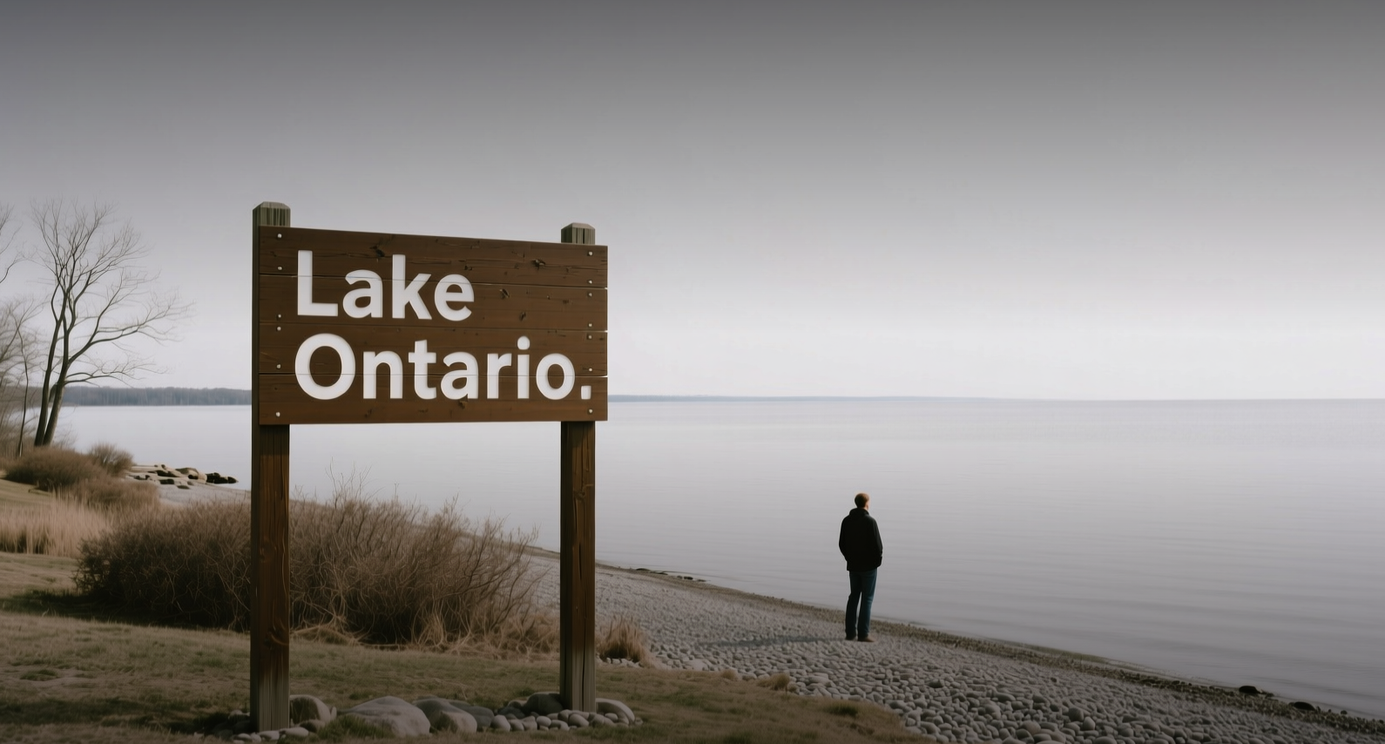
Apple and Google adopted Trump's "Lake America" name on their maps within five days of his executive order, setting a compliance precedent for big tech.
Apple Maps changed Lake Ontario to "Lake America" on Sept. 1, joining Google's Aug. 29 switch, five days after President Trump's executive order renaming the Great Lake during an escalating U.S.-Canada trade war.
"Since we update Google Maps to reflect name changes in official government sources, which is GNIS for the U.S., people using Maps in the U.S. will see 'Lake America,' those in Canada will continue to see 'Lake Ontario,' and those outside of the U.S. and Canada will see both names," Google said in a statement.
The U.S. Board on Geographic Names, which maintains the federal Geographic Names Information System, adopted the change after Interior Secretary Doug Burgum issued a separate order on Aug. 27. The board's policy gives executive orders significant weight, with Chairman Michael Tischler saying presidential directives take precedence over the board's normal procedures — the same interpretation applied after Trump renamed the Gulf of Mexico in 2025.
The rapid compliance from Apple and Alphabet's Google — the two largest mapping platforms by user base — sets a precedent for how tech giants respond to politically motivated executive orders. Both companies previously adopted the Gulf of America name in 2025, and the pattern raises questions about whether further geographic or policy directives will face similar corporate accommodation.
The legal framework
Trump's Aug. 27 order directs the Interior Department and the U.S. Board on Geographic Names to formalize the change within 30 days. Under 43 U.S.C. § 364b, the board decides standard geographic names subject to the secretary's approval. The board's rules state that names established by Congress or presidential order are official and take precedence over ordinary naming procedures.
The process could still face a legal challenge. Any lawsuit under the Administrative Procedure Act would likely target Interior or the board's actions implementing the order, since the Supreme Court has held that the president is not a federal agency subject to APA review. A challenger could argue the agencies exceeded their authority, while the government would rely on the board's longstanding policy treating executive-order names as controlling.
The corporate calculus
Apple's decision to change the name on Sept. 1 came after Interior Secretary Burgum said Trump had contacted Apple directly about the change. Apple Maps initially continued displaying Lake Ontario as of Aug. 31, before switching the following day. Google had already updated its platform on Aug. 29, two days after the order, citing the GNIS change.
MapQuest, the legacy mapping platform, has refused to change the name, saying "We're not changing it" and launching a map generator that lets users create their own names for the lake. The split among platforms shows the discretion private companies retain under the order, which applies only to federal agencies.
New York Gov. Kathy Hochul has rejected the federal designation, and the state continues to use Lake Ontario in its records. Canadian Prime Minister Mark Carney dismissed the change, writing on X: "Canadians also know that naming reality means calling it Lake Ontario — then, now and always." Ontario Premier Doug Ford unveiled a lakeside sign declaring "Lake Ontario: Now and Always."
The Seneca Nation has called on Trump to rescind the order, arguing the renaming violates the 1794 Treaty of Canandaigua, which defined the nation's boundaries as "beginning on Lake Ontario." In Seneca, the lake is called "sga:nyodai:yoh," meaning "beautiful lake."
The direct financial impact of the name change is minimal — no revenue streams, contracts, or valuations are tied to the lake's name. But the episode carries broader regulatory significance for the tech sector. Both Apple and Alphabet now have a documented pattern of complying with presidential directives on geographic naming, following the Gulf of America precedent in 2025. For investors, the question is whether this compliance posture extends to more consequential policy areas — tariffs, data regulation, or antitrust enforcement — where the financial stakes are far higher.
The 30-day implementation window for the Interior Department and the board closes in late September. Any legal challenge would likely be filed in federal court before then, testing whether the executive order can withstand judicial review under the APA.
This article is for informational purposes only and does not constitute investment advice.
