

주요 요점:
- 버크셔 B주, 올해 들어 S&P 500 대비 16.3%포인트 뒤처져
- S&P 500, AI 열풍에 힘입어 4~5월 35% 급등
- 버크셔의 3970억 달러 현금 보유와 제한적 AI 노출, 1999년 신중론과 유사
주요 요점:
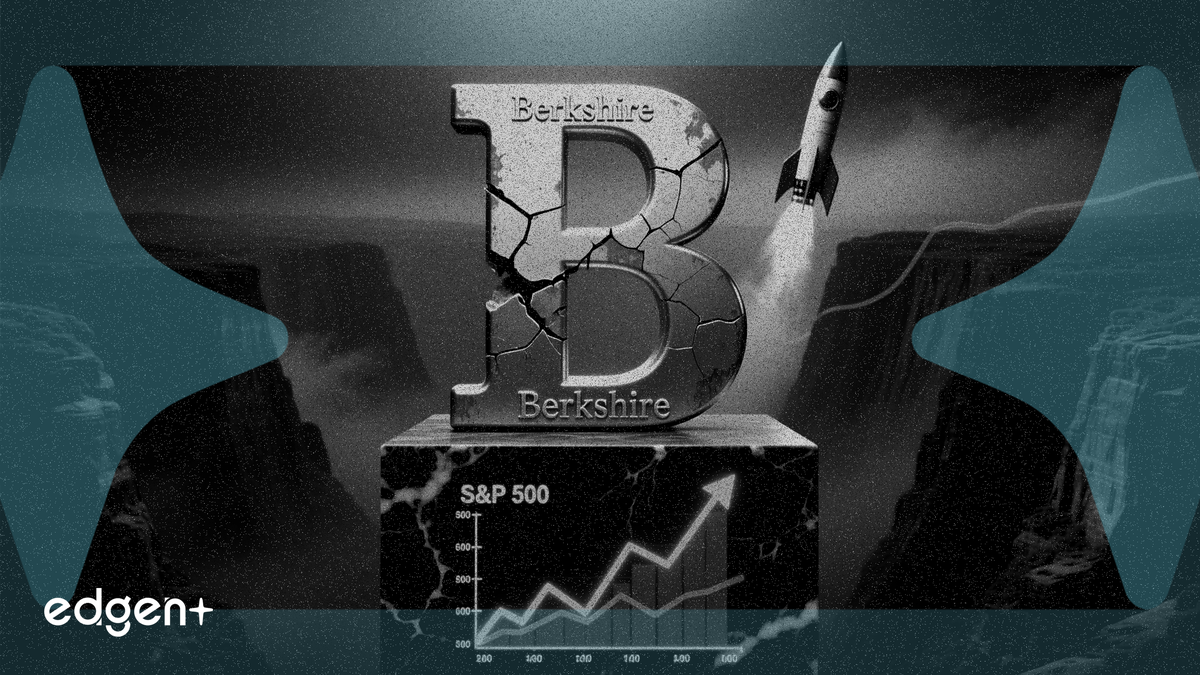
버크셔해서웨이의 B주는 올해 들어 S&P 500을 16.3%포인트 하회하며 2007년 이후 최대 격차를 기록했다.
22V 리서치는 고객 노트에서 "버크셔와 S&P의 관계가 변화하고 있는 것으로 보인다"고 밝혔다. 버크셔의 상대 성과 비율이 2007년 이후 최저 수준으로 떨어졌기 때문이다.
S&P 500은 5월에 5.1% 상승하며 신고점에 마감했고, 올해 누적 상승률은 9.8%로 확대됐다. 반면 버크셔 B주는 5월에 거의 변동이 없었으며, 워런 버핏이 CEO 사임 계획을 발표하기 전인 2025년 5월에 기록한 사상 최고 종가 대비 12% 하락했다. 3월 말까지만 해도 버크셔는 S&P 500을 1.8%포인트 앞서고 있었으나, 이후 4~5월 동안 S&P 500이 35% 이상 급등하는 동안 버크셔는 약 11% 하락했다.
이러한 괴리는 AI 주도 모멘텀과 가치 중심 투자 사이의 긴장을 보여준다. 버크셔는 3월 31일 기준 3974억 달러의 현금을 보유하고 있으며 인공지능에 대한 노출이 미미한데, 이는 1990년대 후반 닷컴 버블 당시 버핏이 인터넷 주식을 피했을 때 효과를 발휘했던 전략과 같다.
S&P 500 시가총액 비중의 35%를 차지하는 정보기술 섹터는 지수 상승분의 대부분을 견인했다. 뱅가드 데이터에 따르면 엔비디아, 애플, 마이크로소프트 세 종목만의 합산 시가총액은 12조8000억 달러에 달한다. 정보기술 섹터를 제외할 경우 S&P 500의 5년 수익률은 78%에서 47%로 떨어지는데, 이는 현재 강세장에서 AI 산업이 차지하는 압도적 영향력을 보여준다.
이와 대조적으로 버크셔는 3월 31일 기준 3974억 달러의 현금과 국채를 보유하고 있으며, 이는 2025년 말 대비 6.5% 증가한 수치다. 새로운 최고경영자(CEO) 그렉 아벨은 AI와 관련해 주목할 만한 베팅을 하나 단행했는데, 1분기 동안 알파벳 지분을 약 220억 달러로 3배 확대해 포트폴리오 내 5대 보유 종목으로 끌어올렸다. 이는 기술 대기업을 전통적으로 기피해온 버핏의 기조에서 벗어난 움직임이다.
S&P 500의 선행 주가수익비율(PER)은 21.8배로, JP모건은 역사적으로 이 수준에서 향후 10년간 연평균 수익률이 5% 미만으로 저조할 가능성이 있다고 분석했다. 워런 버핏 워치 뉴스레터에 따르면 버크셔 B주의 PER은 14.13배다. 버크셔는 1분기 동안 2억3400만 달러 규모의 자사주를 매입했다.
버크셔의 자회사 BNSF 철도는 유니언 퍼시픽과 노퍽 서던 간 850억 달러 규모의 합병 제안에 반대하는 연합에 합류했으며, 이를 반경쟁적이라고 주장하고 있다. 지상교통위원회는 심사를 연기해 최종 결정이 2027년 가을까지 늦춰질 가능성이 있다. 버핏은 지난 8월 CNBC와의 인터뷰에서 버크셔가 철도 회사를 인수할 의사가 없다고 밝히며, CSX에 대한 역제안 가능성에 대한 추측을 일축했다.
본 기사는 정보 제공 목적으로만 작성되었으며 투자 조언을 구성하지 않습니다.
