
Bessent's weekly Iran sanctions push the rial to an all-time low below 2 million per dollar, keeping Brent above $90.
Bessent's weekly Iran sanctions push the rial to an all-time low below 2 million per dollar, keeping Brent above $90.
The rial broke below 2 million per dollar in August as Treasury Secretary Scott Bessent pledged weekly secondary sanctions on banks doing business with Iran, deepening a currency crisis that pushed annual inflation to 66 percent.
"We're starting with the banks, and we're telling the banks it's not okay to have Iranian money and to aid the regime," Bessent told Reuters ahead of the G20 finance ministers meeting in Asheville, North Carolina. "You're going to see a lot more of these every week."
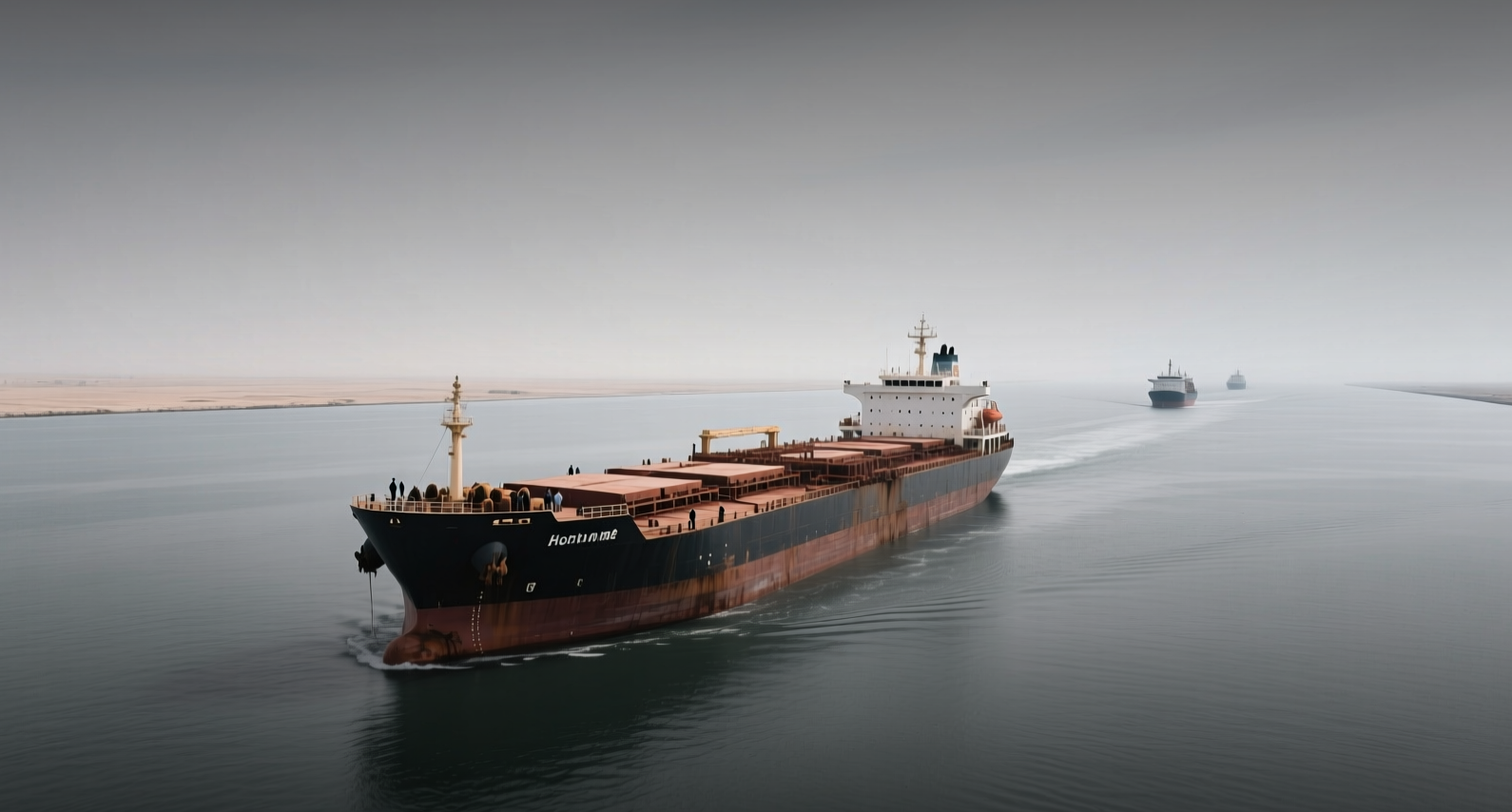
The escalation comes as two very large crude carriers carrying Saudi oil were struck by unidentified projectiles near the Strait of Hormuz, sending Brent futures up 1.3 percent Tuesday to above $90 a barrel. The World Bank cut its 2026 global growth forecast to 2.5 percent, calling the slowdown the worst since the COVID-19 pandemic as shipping disruptions through the waterway — which handles roughly 21 percent of global oil trade — pushed energy prices higher.
Iran's central bank has committed up to $2 billion in foreign-exchange intervention to stabilize the rial, but Governor Abdolnaser Hemmati's pledge comes as Washington's weekly sanctions cadence threatens to sever the country's access to the dollar-based financial system entirely. If Treasury extends enforcement to Chinese banks and refiners — the largest buyers of Iranian crude — the supply risk premium on oil could remain elevated for months.
The sanctions campaign, dubbed Operation Economic Outcast, launched August 24 with nearly 60 entities, individuals, and vessels designated across banking, technology, shipping, and aviation. Treasury's first banking enforcement action targeted five UAE branches of Egypt's Banque Misr, which the department said processed roughly $1.8 billion in illicit funds for entities affiliated with Iran's Ministry of Defense and the Islamic Revolutionary Guard Corps.
Bessent said the next step could be cutting an institution off entirely from the dollar-based financial system. He dismissed criticism that the campaign would fail without directly sanctioning Chinese companies, arguing that the US blockade of Iranian ports has sharply limited China's ability to buy Iranian oil. "Problem solved," he said.
The rial's collapse reflects the compounding pressure of sanctions, blockade, and military strikes. The currency fell through the 2 million per dollar threshold in August, and the dollar reached 213,000 tomans in Tehran as gold prices surged, according to IranWire. Annual inflation hit 66 percent in July, with officials including President Masoud Pezeshkian acknowledging the economy's growing difficulties.
Hemmati pushed back against what he called "psychological warfare," telling reporters that Tehran has sufficient reserves. "I tell the US President: Iran has foreign exchange, and enough," he said. The central bank is "continuously collecting foreign exchange receivables" and holds domestic reserves, though he did not disclose specifics.
The conflicting signals from Iranian officials — Pezeshkian saying Iran would "immediately" reciprocate if the US returns to its commitments under the June memorandum of understanding, while Parliament Speaker Mohammad Ghalibaf threatened military response to the blockade — heighten uncertainty over the conflict's trajectory.
The tanker attacks near the Strait of Hormuz have added a supply risk premium to crude. Two VLCCs carrying Saudi crude were struck by unidentified projectiles as they departed the waterway, and Brent futures rose 1.3 percent Tuesday. PVM analyst John Evans said the "tit-for-tat" missile exchanges between Washington and Tehran confirm that the conflict will be long-lasting, "even if not 'permanent war.'"
The last time the US imposed secondary sanctions on Iran at this scale was the 2018-2019 maximum pressure campaign, which cut Iranian oil exports from roughly 2.5 million barrels per day to below 500,000. Brent rose from about $50 to $75 a barrel over that period before the pandemic crushed demand.
Bessent said he plans to discuss China's role in Iranian oil purchases at the G20 meeting, stating "all options are on the table." He also predicted the strategic significance of the Strait of Hormuz would diminish over the next two years as overland pipeline transport reduces reliance on the waterway.
For markets, the key question is whether Treasury extends secondary sanctions to Chinese financial institutions. If it does, the dollar-based financial system's exposure to Iran-related trade could force a broader repricing of Gulf supply chains. If it doesn't, the rial's slide and inflation spiral may continue without a clear policy off-ramp.
This article is for informational purposes only and does not constitute investment advice.
