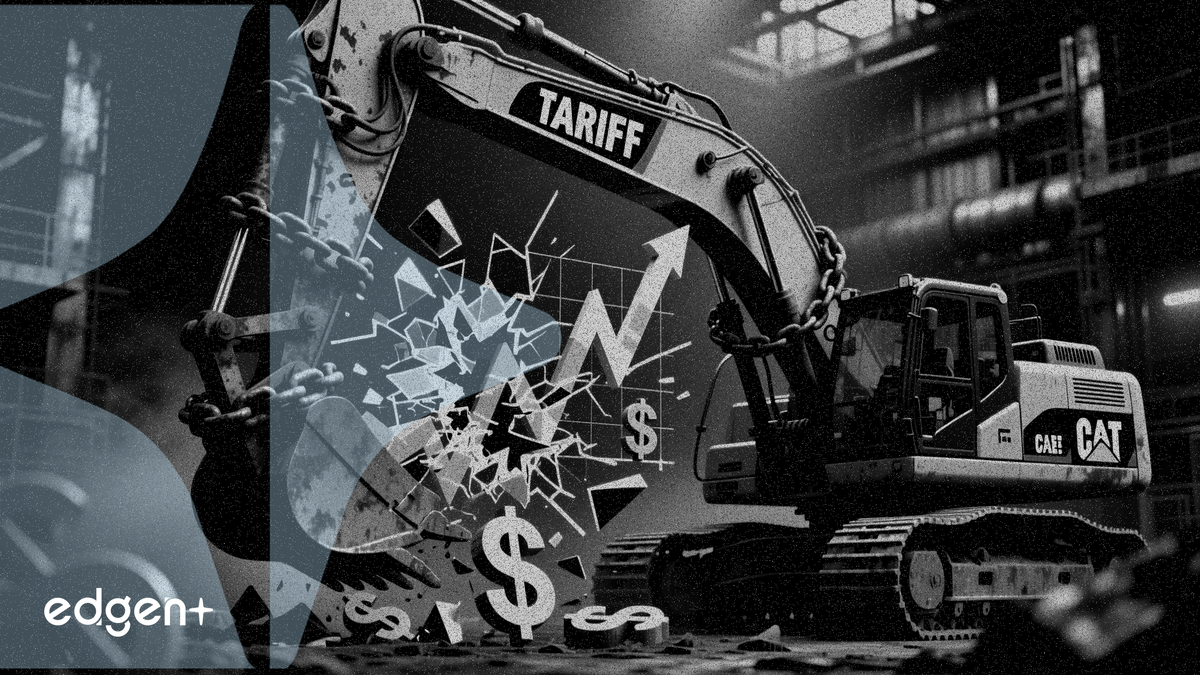
Caterpillar Inc. (CAT), 2026 yılında maliyetlerinde 2,2 milyar ila 2,4 milyar dolarlık bir darbe bekleyerek gümrük vergilerinin önemli etkisine hazırlanıyor; bu gelişme şimdiden kârlılığı sıkıştırıyor ve sanayi devinin faaliyet marjları üzerinde baskı oluşturuyor.
Edgen'de ticaret politikası analisti olan Elena Fischer, "Bu sadece bir Caterpillar sorunu değil; yapışkan enflasyon ve ticaret sürtüşmeleriyle boğuşan tüm sanayi sektörü için bir gösterge," dedi. "Asıl soru, fiyatlandırma güçlerinin bu yapısal maliyetleri dengeleyip dengeleyemeyeceğidir."
Baskı, Caterpillar'ın satılan malların maliyetinin 600 milyon dolarlık gümrük vergisi etkisi de dahil olmak üzere yıllık bazda yüzde 26 arttığı ilk çeyrekte belirgindi. Bu durum, şirketin düzeltilmiş faaliyet marjını geçen yılın aynı dönemindeki yüzde 18,3'ten yüzde 18'e düşürdü. 2025 yılının tamamında şirket, düzeltilmiş faaliyet marjında 350 baz puanlık bir daralmayla yüzde 17,2'ye gerilemesine katkıda bulunan 1,8 milyar dolarlık bir gümrük vergisi etkisini göğüsledi.
İleriye bakıldığında şirket, sadece 2026'nın ikinci çeyreğinde yaklaşık 700 milyon dolarlık tahmini ek gümrük vergisi maliyetiyle rüzgarların şiddetleneceğini öngörüyor. Bu durum Caterpillar'ı, mevcut gelir seviyesi için yüzde 15 ila 19 olan yıllık faaliyet marjı hedefinin alt sınırına yönlendirdi.
Segment Marjları Baskı Altında
Gümrük vergilerinin etkisi Caterpillar'ın tüm ana iş segmentlerinde hissediliyor. Kaynak Endüstrileri bölümü ilk çeyrekte en dramatik etkiyi gördü ve segment marjı 700 baz puan daralarak yüzde 10,0'a geriledi. Gümrük vergileri bu düşüşün yaklaşık 500 baz puanından sorumluydu.
Marjını 160 baz puan artırarak yüzde 21,4'e çıkaran daha iyi performans gösteren İnşaat Endüstrileri segmenti bile muaf kalmadı. Şirket, gümrük vergilerinin segment marjı üzerinde yaklaşık 550 baz puanlık negatif bir etkisi olduğunu belirtti. Bu arada, Enerji ve Nakliye segmentinin marjı 170 baz puan daralarak yüzde 20,6'ya geriledi ve gümrük vergileri 270 baz puanlık bir engel teşkil etti.
Rakipler de Sıkışıyor
Gümrük vergileri ve diğer üretim maliyetlerinden kaynaklanan marj baskısı sadece Caterpillar'a özgü değil, dünya genelindeki rakipleri de etkiliyor. Terex Corporation (TEX), 2026'nın ilk çeyreğinde düzeltilmiş satılan malların maliyetinin yüzde 44 arttığını ve faaliyet marjının bir yıl önceki yüzde 9,0'dan yüzde 8,7'ye düştüğünü bildirdi.
Benzer şekilde, Japon rakibi Komatsu Ltd. (KMTUY), son mali yılında faaliyet marjındaki 230 baz puanlık daralmanın (yüzde 13,7'ye gerileme) temel nedeni olarak ek ABD gümrük vergilerini gösterdi. Şirket, 2026 mali yılı için faaliyet kârında yüzde 10,5'lik bir düşüş daha öngörüyor ve gümrük vergilerinden 37,8 milyar yenlik (0,24 milyar dolar) ek bir maliyet etkisi bekliyor.
Önemli maliyet zorluklarına rağmen, Caterpillar hisseleri geçtiğimiz yıl yüzde 163,1 artarak sektörün yüzde 135,3'lük büyümesini ve S&P 500'ün yüzde 30,8'lik yükselişini geride bıraktı. Ancak, 35,11x'lik 12 aylık ileriye dönük F/K oranıyla hem sektör ortalamasının hem de Terex (12,25x) ve Komatsu (18,12x) gibi rakiplerinin üzerinde işlem görüyor ve bu da yönetimin artan maliyet ortamında etkili bir şekilde yol alması için beklentileri yükseltiyor.
Bu makale sadece bilgilendirme amaçlıdır ve yatırım tavsiyesi niteliği taşımaz.