
중국 슈퍼 유조선의 이례적인 호르무즈 해협 통과 시도는 이란의 군사적 주장과 글로벌 석유 시장의 안정성에 대한 고도의 시험대 역할을 하고 있습니다.
중국 슈퍼 유조선의 이례적인 호르무즈 해협 통과 시도는 이란의 군사적 주장과 글로벌 석유 시장의 안정성에 대한 고도의 시험대 역할을 하고 있습니다.
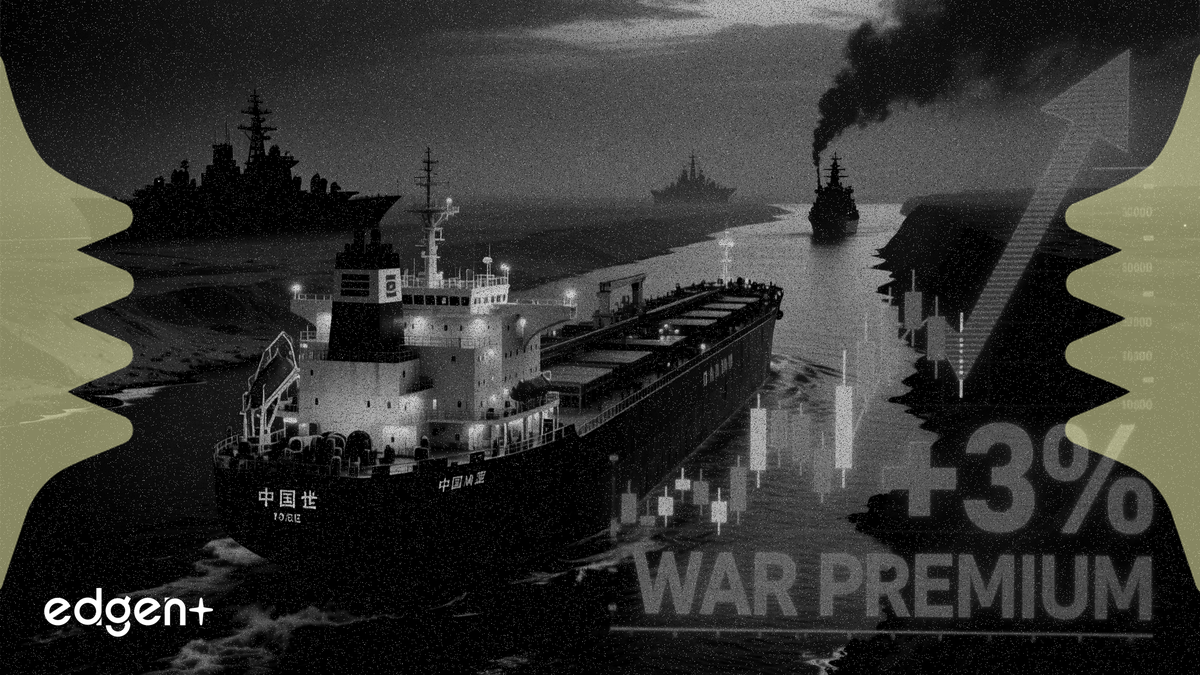
중국 슈퍼 유조선의 이례적인 호르무즈 해협 통과 시도는 이란의 군사적 주장과 글로벌 석유 시장의 안정성에 대한 고도의 시험대 역할을 하고 있습니다.
수요일, 한 중국 슈퍼 유조선이 페르시아만 퇴출을 시도하며 사실상의 해상 봉쇄에 도전하고 있습니다. 이는 원유 가격에 상당한 전쟁 프리미엄을 더하고 있으며, 이란 분쟁 시작 이후 중국 선박의 세 번째 통과 시도입니다.
이번 움직임은 에너지 시장이 극도로 긴장된 가운데 이루어졌습니다. 분석가들은 호르무즈 해협을 통한 '자유로운 통행'의 어떠한 중단도 가격 고공행진을 유지시킬 것이라고 경고합니다. 리스타드 에너지(Rystad Energy)의 시장 분석가들은 최근 보고서에서 "해협이 위태로운 상태로 남아있는 한, 글로벌 브렌트유 가격은 역사적 규범을 훨씬 상회하는 하한선을 유지할 것"이라며 글로벌 공급망의 취약성을 강조했습니다.
추적 데이터에 따르면 해당 선박은 COSCO SHIP ENGY (01138.HK)의 자회사가 소유한 '원화후(Yuan Hua Hu)'호로 확인되었으며, 5월 13일 오전 호르무즈 해협에서 포착되었습니다. 이 시도는 브렌트유가 배럴당 100달러 이상을 유지하고 미국 일반 가솔린 가격이 갤런당 평균 4.52달러(분쟁 전 평균 2.98달러 대비 약 52% 상승)를 기록하는 가운데 발생했습니다.
이번 항해는 3조 달러 규모의 글로벌 석유 무역에 결정적인 질문을 던집니다. 상업용 선박이 세계에서 가장 중요한 에너지 병목 지점의 군사·정치적 폐쇄에 도전할 수 있는가? 전 세계 석유 소비량의 약 5분의 1이 이 해협을 통과하는 상황에서, 이번 항해의 성공 여부는 전쟁 위험 프리미엄을 완화하거나 미-중 정상회담을 앞두고 가격을 더욱 폭등시키는 선례가 될 수 있습니다.
### 글로벌 에너지 흐름을 건 고위험 도박
'원화후'호의 통과는 단순한 상업적 항해 이상인 지정학적 탐색입니다. 수주 동안 이어진 갈등으로 이란이 영향력 확대를 주장해 온 호르무즈 해협은 대부분의 국제 유조선에게 통행 불가능한 구역이 되었습니다. 이는 사실상 시장에서 중동 공급량의 상당 부분을 제거하여 에너지 비용 급등의 주요 원인인 '전쟁 프리미엄'을 조성했습니다.
이란산 원유의 주요 구매자인 중국은 항행의 자유를 재확립하는 데 큰 이해관계를 가지고 있습니다. 전쟁 발발 후 세 번째인 이번 시도는 미-중 고위급 외교 회담 직전에 맞춘 계산된 위험으로 보입니다. 런던의 해상 보험사들은 이번 결과를 예의주시하고 있으며, 이들은 이미 호르무즈 해협과 고조되는 미-중 긴장을 글로벌 안정의 주요 위협으로 지목한 바 있습니다.
### 벼랑 끝에 선 미국의 정책
호르무즈 봉쇄의 여파는 미국 주유소에서 가장 극명하게 느껴지고 있으며, 이는 워싱턴의 어려운 정책 논의를 촉발하고 있습니다. 트럼프 행정부는 이제 최후의 수단으로 여겨졌던 갤런당 18.4센트의 연방 가솔린세 일시 중단을 공개적으로 검토하고 있습니다.
크리스 라이트(Chris Wright) 에너지 장관은 최근 미국 소비자들의 압박을 인정하며 "모든 결정에는 기회비용이 따른다"고 말했습니다. 세금 휴세(Tax Holiday)가 평균 가격을 약 4.34달러로 낮추는 즉각적인 효과를 줄 수 있지만, 고속도로 신탁 기금(Highway Trust Fund)의 수십억 달러 수입 감소를 초래할 것입니다. 찬성론자들은 에너지 가격 적정성을 국가 안보의 필수 요소로 규정하며 일반 예산으로 기금을 보충할 것을 주장하고 있습니다. 이는 서반구 동맹국들의 생산을 독려해 지역적 변동성으로부터 미국을 보호하려는 광범위한 '중동 플러스 원(Middle East Plus One)' 전략의 일부입니다. 또한 당국은 국내 정유 공장 생산량을 극대화하기 위해 하절기용 혼합 연료에 대한 규제 면제를 추진 중입니다.
가솔린세에 대한 결정은 향후 몇 주 내에 내려질 예정이며, 호르무즈 해협에서 전개되는 상황에 달려 있을 것으로 보입니다. 중국 유조선의 통과가 성공하여 봉쇄 완화 신호로 작용한다면 백악관은 논란이 많은 세금 중단을 피할 수 있는 숨통을 틔울 수 있습니다. 그러나 실패할 경우 소비자 구제를 위한 즉각적인 압박은 거세질 것입니다.
이 기사는 정보 제공 목적으로만 작성되었으며 투자 조언을 구성하지 않습니다.
