
A high-stakes negotiation in Brussels on May 6 could determine the fate of Europe's auto exports to the US.
A high-stakes negotiation in Brussels on May 6 could determine the fate of Europe's auto exports to the US.
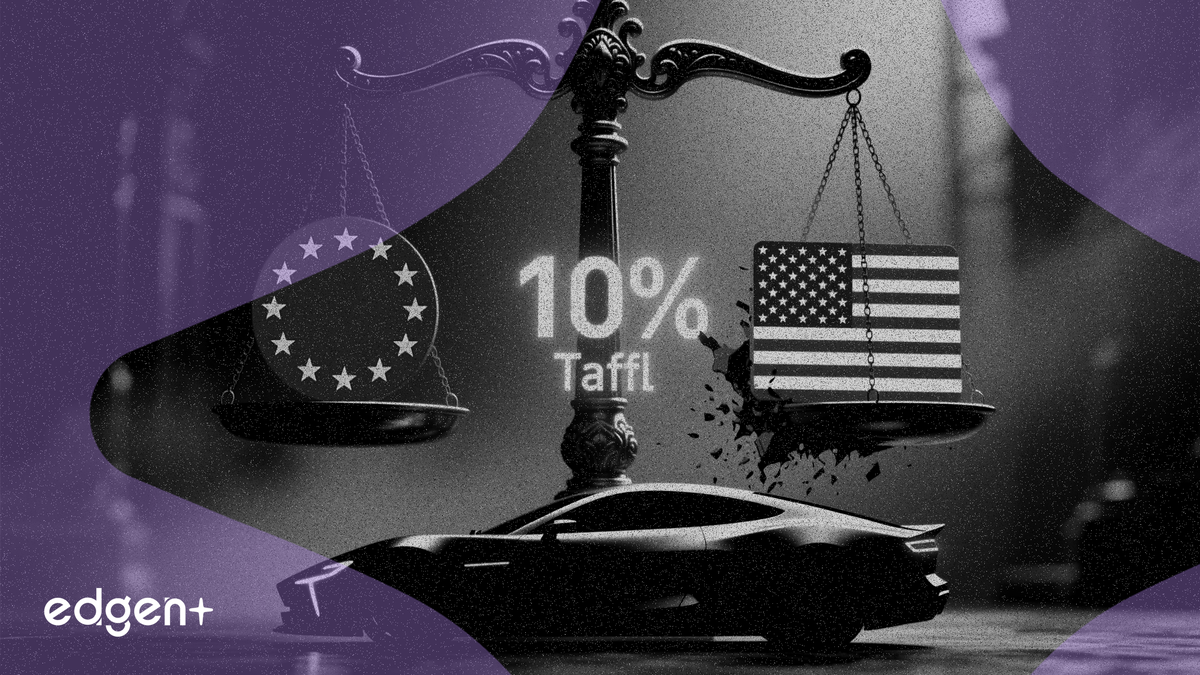
European Union officials are scrambling to finalize a trade agreement on May 6 to eliminate U.S. import duties, facing a renewed threat from President Donald Trump to impose higher tariffs on European automobiles.
"Trump sees trade as a 'weaponisation'," Catherine Ashton, the EU's former top diplomat and trade commissioner, told Euronews, highlighting the administration's transactional approach to commerce.
The renewed pressure comes as negotiations to scrap existing duties face internal divisions within the EU. The Stoxx Europe 600 Automobiles & Parts Index fell 1.2% on the news, with shares of Volkswagen AG, BMW AG, and Mercedes-Benz Group AG all trading lower.
A failure to secure a deal could see the U.S. impose tariffs of up to 10% on European cars, impacting a trade flow worth over $100 billion annually and likely triggering retaliatory EU duties on American goods, according to analysts.
The core of the dispute centers on President Trump's long-standing complaint that the EU imposes higher barriers to U.S. cars than the U.S. does on European vehicles. While EU leaders have pushed back against the threat, the uncertainty is already weighing on market sentiment. The potential for a 10 percent tariff represents a significant headwind for German luxury car manufacturers, who count the United States as a key market.
European lawmakers remain divided on the necessary safeguards within the deal, dimming the chances of a swift agreement. The bearish sentiment reflects the market's concern that trade tensions, which had eased, could quickly re-escalate, creating broader market uncertainty and potentially harming U.S. exporters if the EU responds with its own set of tariffs.
This article is for informational purposes only and does not constitute investment advice.

