

The FDA approved Viridian Therapeutics' Lumvoa (veligrotug-vvze) for thyroid eye disease, the first treatment cleared for both active and chronic forms of the condition, backed by two phase 3 trials.
The FDA approved Viridian Therapeutics' Lumvoa (veligrotug-vvze) for thyroid eye disease, the first treatment cleared for both active and chronic forms of the condition, backed by two phase 3 trials.
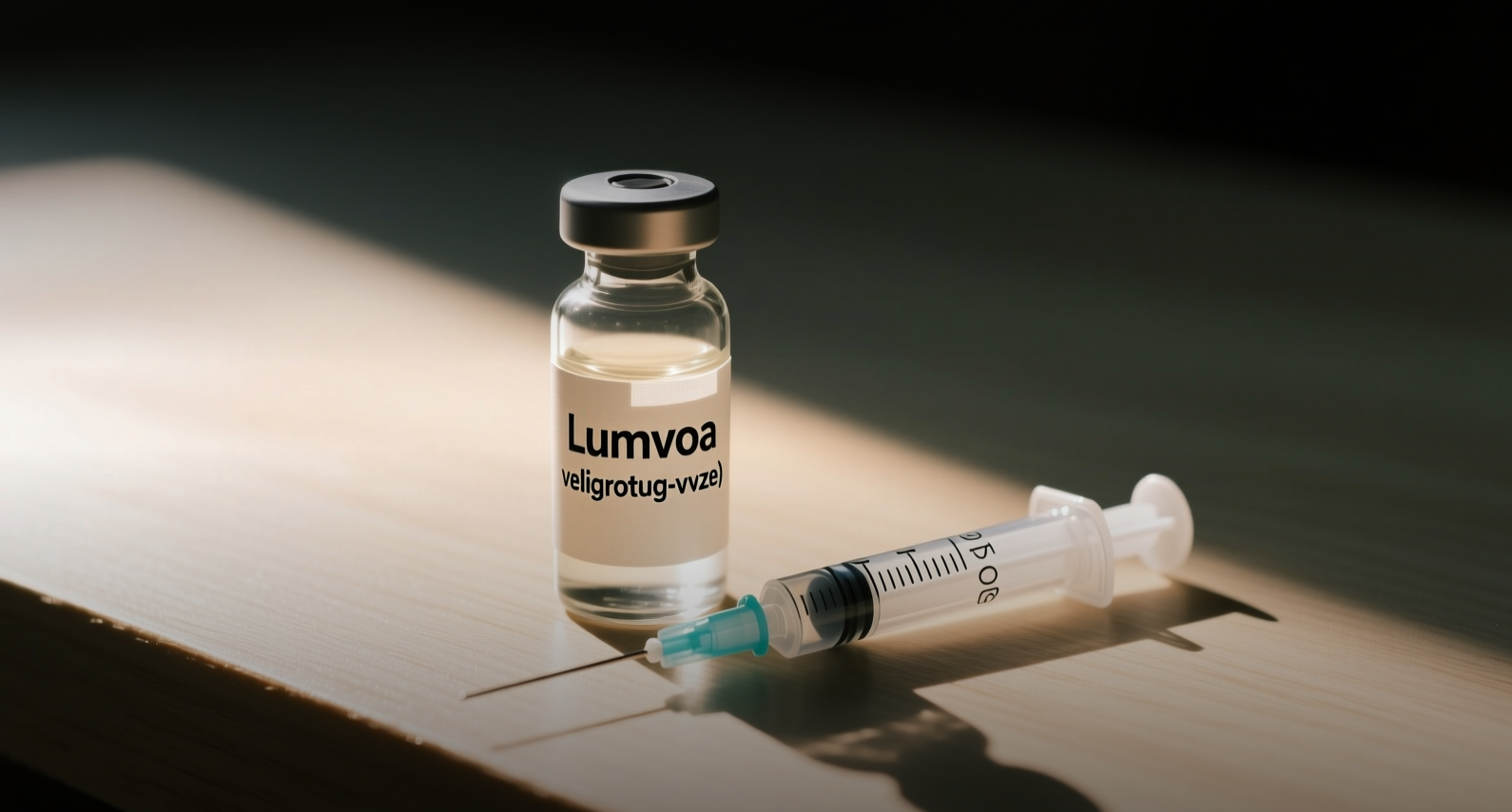
The U.S. Food and Drug Administration approved Viridian Therapeutics Inc.'s Lumvoa (veligrotug-vvze) for thyroid eye disease, the first treatment cleared for both active and chronic forms of the rare autoimmune condition.
"With the approval of Lumvoa, we take a significant step forward in providing a meaningful treatment option for people living with thyroid eye disease," Steve Mahoney, president and chief executive officer of Viridian, said. "Our commercial and medical affairs teams have been preparing for this moment for a long time."
The approval was supported by the THRIVE and THRIVE-2 phase 3 trials, which enrolled patients with active and chronic TED, respectively. Both studies met their primary and all secondary endpoints at week 15. Lumvoa showed proptosis reduction as early as three weeks and became the first approved TED therapy to demonstrate a statistically significant effect on both diplopia response and complete resolution in active and chronic disease. Lumvoa is a full antagonist of IGF-1R, the insulin-like growth factor-1 receptor involved in the inflammation and tissue remodeling characteristic of TED. Patients received five intravenous infusions of 500 milligrams over 12 weeks, each given every three weeks. The most common adverse reactions, occurring in 5 percent or more of patients, included muscle spasms, headache, hearing impairment, hyperglycemia, and fatigue. Infusion reactions were reported in about 9 percent of patients, and hyperglycemia occurred in 12 percent, half of whom had preexisting diabetes or impaired glucose tolerance. Lumvoa may also cause exacerbation of inflammatory bowel disease and hearing loss that can be permanent.
The decision gives patients a new option in a market where Amgen Inc.'s Tepezza had been the only approved therapy. TED affects roughly 15 to 20 people per 100,000 annually, causing inflammation and tissue remodeling around the eyes that can lead to proptosis, diplopia, pain, and vision impairment. "TED can be physically painful and emotionally exhausting, and patients experience the disease as highly disruptive to their daily lives," Christine Gustafson, founder and chief executive officer of the TED Community Organization, said.
Viridian plans to launch Lumvoa immediately and has created ViridianCares, a patient support program offering insurance navigation and financial assistance for eligible patients. The company is also advancing elegrobart, a subcutaneous therapy, with a biologics license application submission expected in the first quarter of 2027. The FDA granted Lumvoa Breakthrough Therapy Designation and Priority Review, reflecting the unmet need in TED. Viridian is headquartered in Waltham, Massachusetts.
The approval marks Viridian's first commercial product and a transition from a clinical-stage biotech to a revenue-generating company. Investors will watch the company's conference call on June 29 for initial commercial uptake commentary and updates on the elegrobart timeline.
This article is for informational purposes only and does not constitute investment advice.
