

Key Takeaways: Russia's overnight barrage on Kyiv killed at least 15 people as the global Patriot interceptor shortage hollowed out Ukraine's air defense.
Key Takeaways: Russia's overnight barrage on Kyiv killed at least 15 people as the global Patriot interceptor shortage hollowed out Ukraine's air defense.
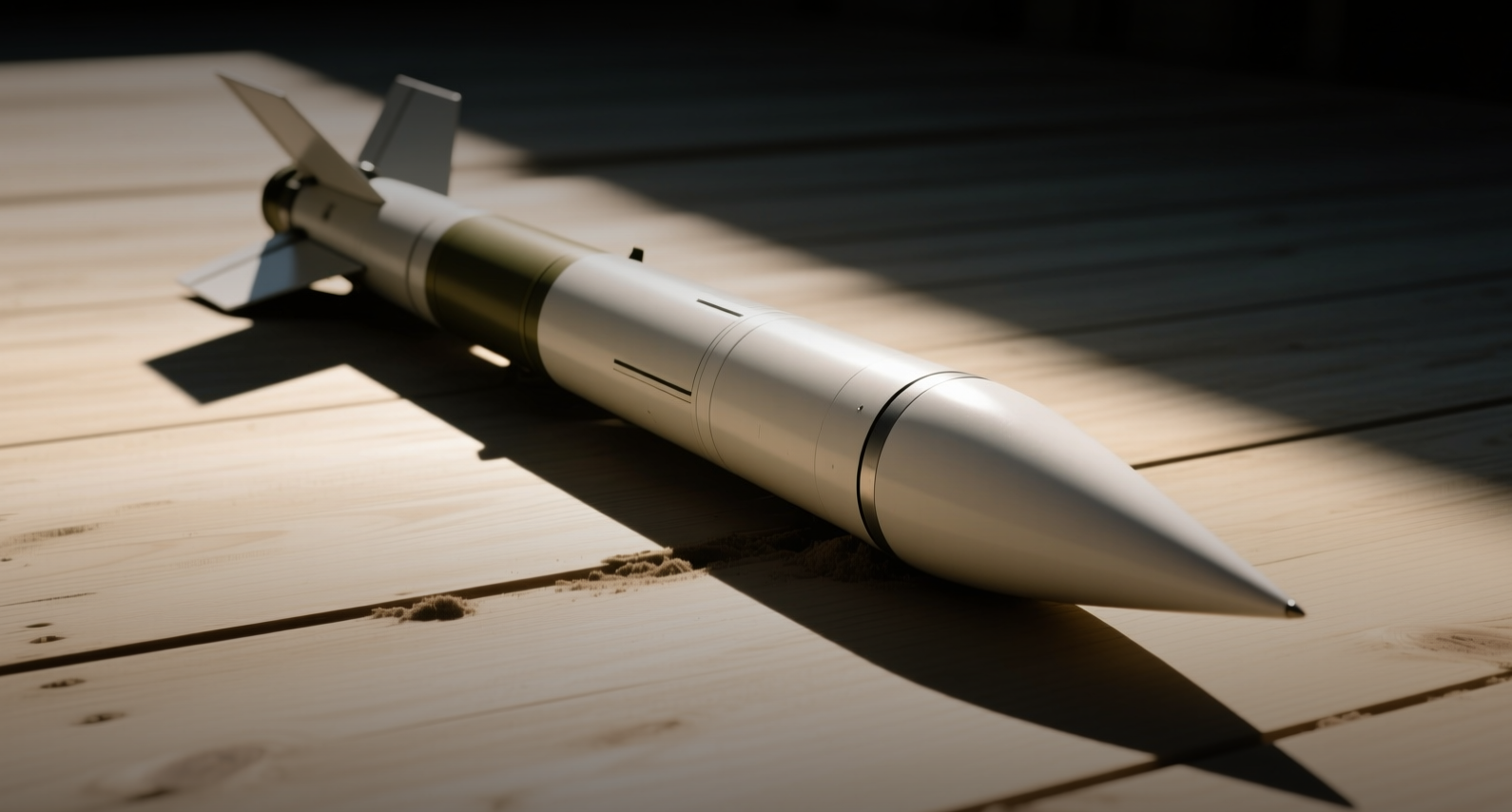
Russia's missile and drone barrage on Kyiv killed at least 15 people and wounded about 40 on Wednesday night, as a global shortage of Patriot interceptor missiles left Ukraine's capital increasingly exposed to ballistic strikes.
"As long as Ukraine does not have enough antiballistic defense, Russia will not consider peace seriously," President Volodymyr Zelensky said Thursday on social media. "Patriot interceptors cannot yet be replaced... every additional missile saves the lives of our people."
Ukraine's air force intercepted 39 of 44 incoming missiles and 145 of 168 Shahed drones, but strikes hit a children's hospital, a school, residential buildings, a border crossing with Moldova, and gas infrastructure in the Chernihiv region. More than 38,000 people sheltered overnight in Kyiv's subway stations.
The attack shows how a strategic shift has unfolded: Ukraine once intercepted even Russia's most advanced missiles with US-designed Patriot systems. Now, with interceptor stocks depleted by the Middle East conflict and US production running at roughly 1.7 missiles per day, a growing share of Russian munitions reaches their targets — a vulnerability that could deepen as winter approaches.
Ukraine holds only about 1 percent of US Patriot interceptor stockpiles, well short of the 5 percent Zelensky says is needed to secure air coverage through the coming winter, according to CNN reporting from a Patriot battery deployed near Kyiv. All 16 tubes of the launcher were empty, and chief engineer Dmytro said he had not fired an interceptor in six weeks.
The shortage traces to two converging pressures. In March and April, Gulf coalition forces fired an average of 225 interceptor missiles per day during the first four days of conflict with Iran, according to the Foreign Policy Research Institute. Lockheed Martin, the primary Patriot interceptor manufacturer, produced only about 620 units in all of 2025 — roughly 1.7 per day — creating a consumption-to-production gap of more than 130 to 1.
The Pentagon signed a seven-year contract with Lockheed Martin in January targeting 2,000 interceptors annually by 2030. But each Patriot missile takes about 42 months to produce, and the US itself may be running low: the Center for Strategic and International Studies estimates the Pentagon fired as many as 1,430 Patriot rounds and 290 Thaad rounds during six months of fighting with Iran, potentially leaving just 870 Patriot and 70 Thaad interceptors in inventory.
Zelensky has proposed licensing US defense manufacturers Raytheon and Lockheed Martin to build Patriot interceptors in Ukraine, offering full ownership and operational control. "It will be your company. It will be our minds, our hands, our engineers," he said, recalling conversations with the companies. Trump floated the licensing option at the NATO summit in Ankara in June, and company representatives visited Kyiv afterward — but a White House official told CNN no final decision has been made, citing concerns over protecting US technology.
Even with a license, immediate production is not feasible. Dmytro told CNN that building Patriot interceptors domestically is "a very complex procedure" requiring extensive technical knowledge and industrial infrastructure Ukraine does not currently possess.
Ukraine is pursuing an alternative path through the Freya initiative, developing a domestic anti-ballistic interceptor with German infrared seekers. Fire Point, a Kyiv munitions maker, aims to test its FP-7.x interceptor against a ballistic target by July 2027 at a target cost of roughly $700,000 per round — a fraction of the $4 million price tag for a Patriot PAC-3.
The last time Russia launched a comparable winter campaign against Ukraine's energy grid, in 2024-2025, blackouts left millions without heat during the coldest months. With Patriot stocks now thinner and Russia producing more than 200 cruise and ballistic missiles per month — with over 1,100 cruise missiles and about 130 Iskander-M ballistic missiles stockpiled, according to Ukraine's intelligence agency — the coming winter could be more destructive.
The Patriot shortage is not merely a Ukrainian problem. US allies from Taiwan to the Gulf states depend on the same interceptors for ballistic missile defense, and with US production constrained and the Pentagon's own stocks depleted, the global supply of anti-ballistic interceptors has become a strategic bottleneck. For Ukraine, the immediate calculus is stark: every additional Patriot interceptor delivered before winter represents a direct trade-off between civilian lives and Russian missile penetration rates.
This article is for informational purposes only and does not constitute investment advice.
