

Gold has tumbled 30% from its January record as the Iran war reshapes energy markets, but central bank buying and record mining profits point to a reversal.
Gold has tumbled 30% from its January record as the Iran war reshapes energy markets, but central bank buying and record mining profits point to a reversal.
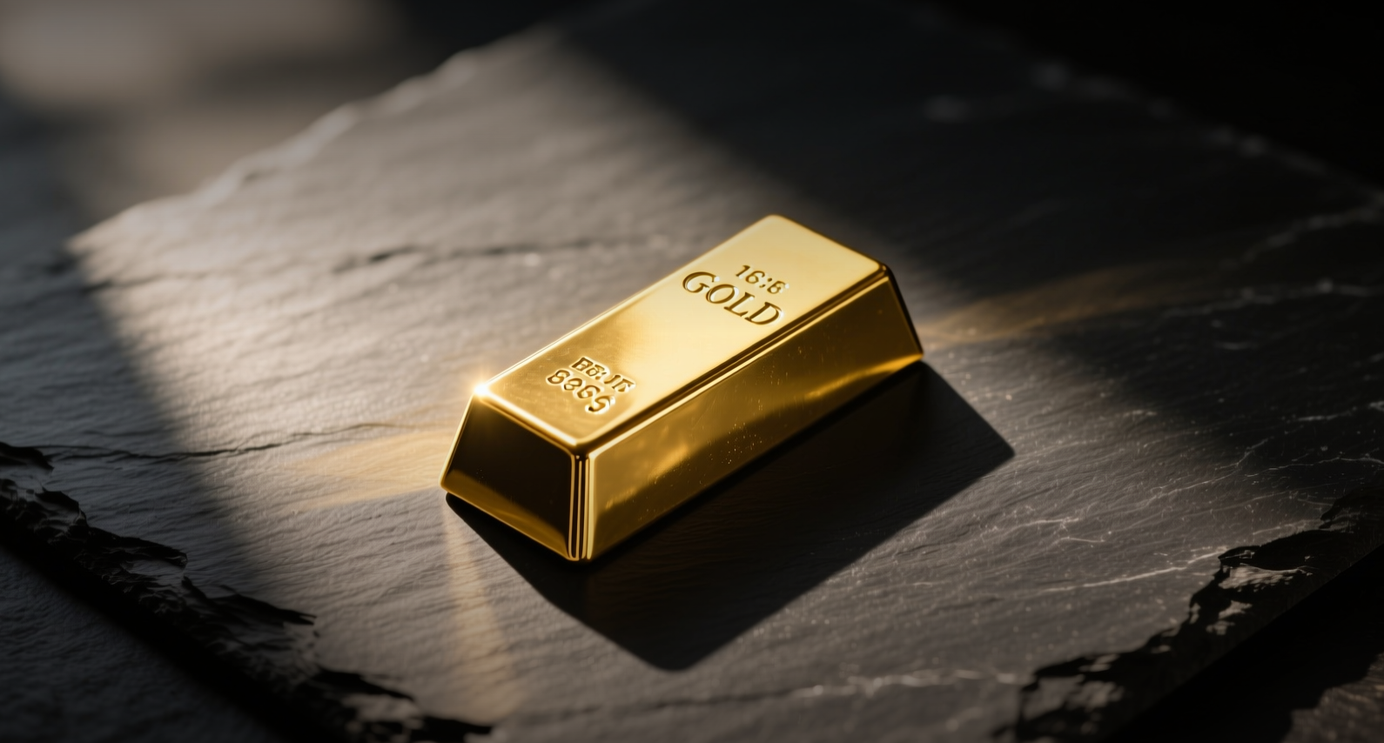
Gold has tumbled 30% from its January record as the Iran war reshapes energy markets, but central bank buying and record mining profits point to a reversal.
Gold traded near $4,000 an ounce, down roughly a fifth since the strikes on Iran began in late February and well off its January record near $5,600, as rising oil prices pushed up inflation and interest rate expectations.
"As people lose faith in paper currencies, gold as an alternative will continue to grow," John Paulson, the hedge fund manager who made billions shorting subprime mortgages in 2007, told CNBC last week. "It is becoming the most apt reserve currency in the world, replacing fiat currency."
The U.S. 10-year yield touched 4.71% last week, its highest level since January 2025, while German bunds hit levels not seen since 2011. The Federal Reserve and the Bank of England both meet this week, and both are expected to hold rates steady while flagging the risk of future hikes. Brent crude crossed above $100 a barrel as tanker traffic through the Strait of Hormuz — the Persian Gulf bottleneck that carried roughly a fifth of the world's seaborne oil before the fighting started — fell to virtually zero, from about 80 vessels on a good day to a recent high-water mark of 25.
The People's Bank of China bought 15 tonnes of gold in June, its largest single-month purchase since October 2023, bringing official holdings to 2,346 tonnes across 20 consecutive months of accumulation — the longest streak on record, according to the World Gold Council. China added 40 tonnes in the first half, during which gold lost close to 30% of its value from its all-time high, with roughly $5.7 billion of purchases in H1 versus about $2 billion in all of 2025.
Gold has averaged roughly $4,700 an ounce so far in 2026 against all-in sustaining costs below $2,000, producing extraordinary margins that are showing up as free cash flow and buybacks. Newmont reported record free cash flow of $2.2 billion in the second quarter after producing some 1.3 million ounces, and announced a $0.26-per-share dividend. Newmont and Barrick Gold, which reports next month, are expected to post combined second-quarter profits of around $3.5 billion. Scotiabank expects meaningful share repurchases from Newmont, Barrick, Agnico Eagle Mines and Kinross Gold, according to RBC's Josh Wolfson, who described producers as operating from a position of strength.
By historical standards, gold investment remains grossly underweight as a percentage of portfolios, accounting for low-single-digit exposure. With metal prices off 30% from their record high, Paulson said investors could stand to benefit even more by maintaining exposure to gold miners on top of the metal. The foreign share of U.S. Treasury holdings has fallen from about 56% in 2008 to 30% at the end of 2025, and the marginal buyer of government debt is now a price-sensitive American demanding more compensation in higher yields — a dynamic that Paulson said supports gold's long-term case as an alternative to fiat currency.
This article is for informational purposes only and does not constitute investment advice.
