
Key Takeaways:
- Gold rallied on July 3 as the Fed signaled a dovish policy pivot
- XAUUSD extended its rebound above the 50-day moving average
- Next catalyst is the PCE inflation data release on July 14
Key Takeaways:
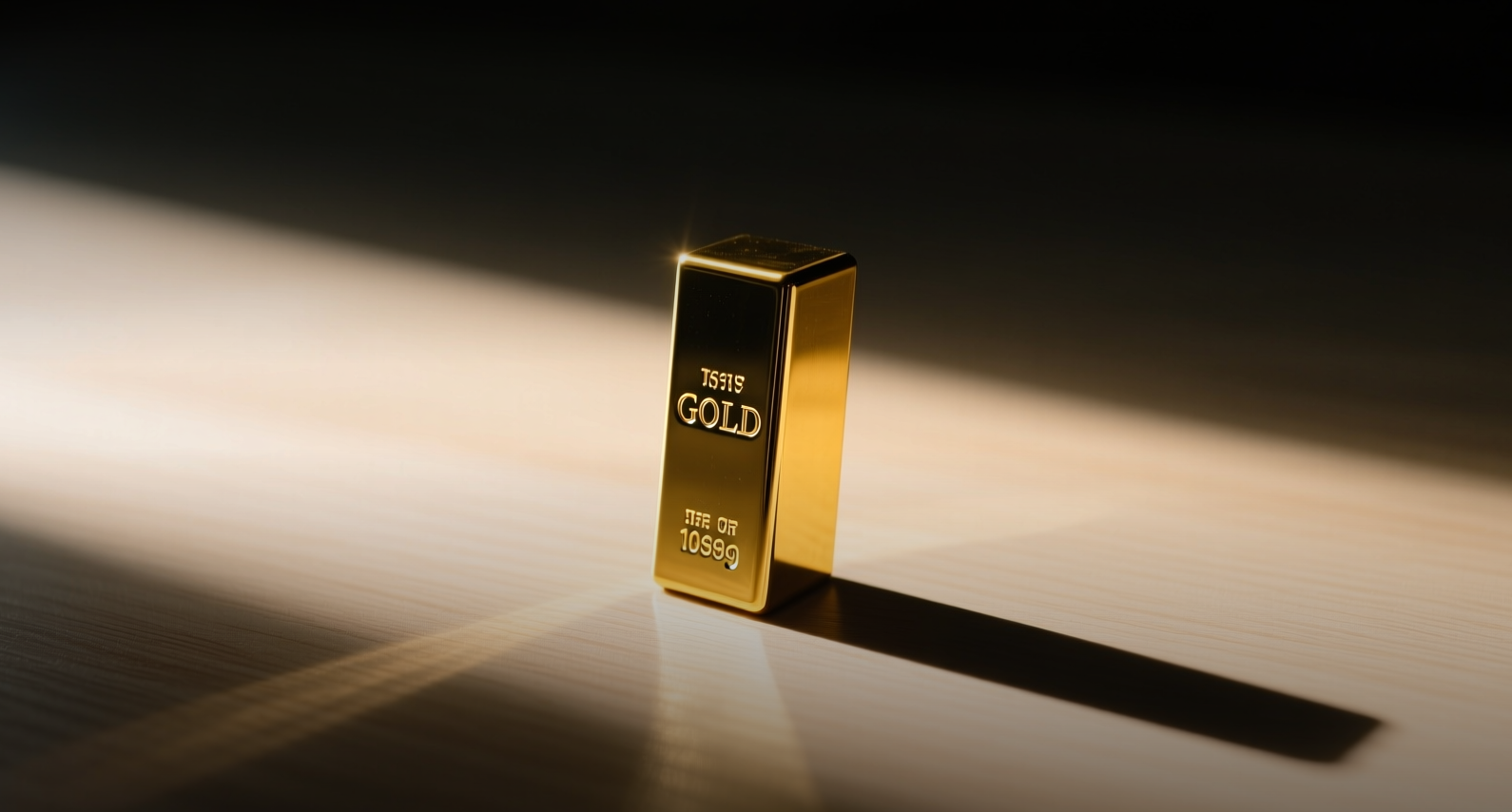
Gold rose to $4,822.06 an ounce on July 3, extending a rebound as the Federal Reserve signaled a shift toward a more accommodative policy stance that strengthened demand for precious metals.
"The market is pricing in a higher probability of rate cuts after recent Fed commentary signaled a pivot," James Hyerczyk, a technical analyst and author of two books on market analysis, said. "This shift in policy outlook is providing strong support to gold markets."
The rally pushed XAUUSD above the 50-day moving average at $4,635, a level that had capped gains since late March, according to chart data. COMEX gold inventories stood at 18.3 million ounces, down 4% from the prior month, exchange data shows. The metal earlier tested support at the 200-day moving average near $4,350 before reversing higher, with the uptrend line from the December 2025 low at $4,274 guiding the broader advance.
Gold last traded above $4,900 in June 2026. The next catalyst is the Personal Consumption Expenditures price index release, due July 14, which will provide the Fed with fresh inflation data ahead of its July 28-29 policy meeting. A sustained break above $4,900 would open the path toward $5,000, while a drop below $4,350 would signal a deeper correction toward $4,000, based on the current trading range.
The rally in gold also lifted silver, which consolidated above $72 an ounce, reflecting strong industrial and safe-haven demand. The gold-to-silver ratio continued to decline, a pattern that historically favors silver outperformance during precious metals upswings.
This article is for informational purposes only and does not constitute investment advice.
