
Các nhà lãnh đạo châu Âu đang gióng lên hồi chuông cảnh báo rằng sự gián đoạn vận tải kéo dài ở eo biển Hormuz có thể làm chệch hướng tăng trưởng kinh tế và buộc phải chuyển hướng chiến lược quay trở lại nhiên liệu hóa thạch.
Các nhà lãnh đạo châu Âu đang gióng lên hồi chuông cảnh báo rằng sự gián đoạn vận tải kéo dài ở eo biển Hormuz có thể làm chệch hướng tăng trưởng kinh tế và buộc phải chuyển hướng chiến lược quay trở lại nhiên liệu hóa thạch.
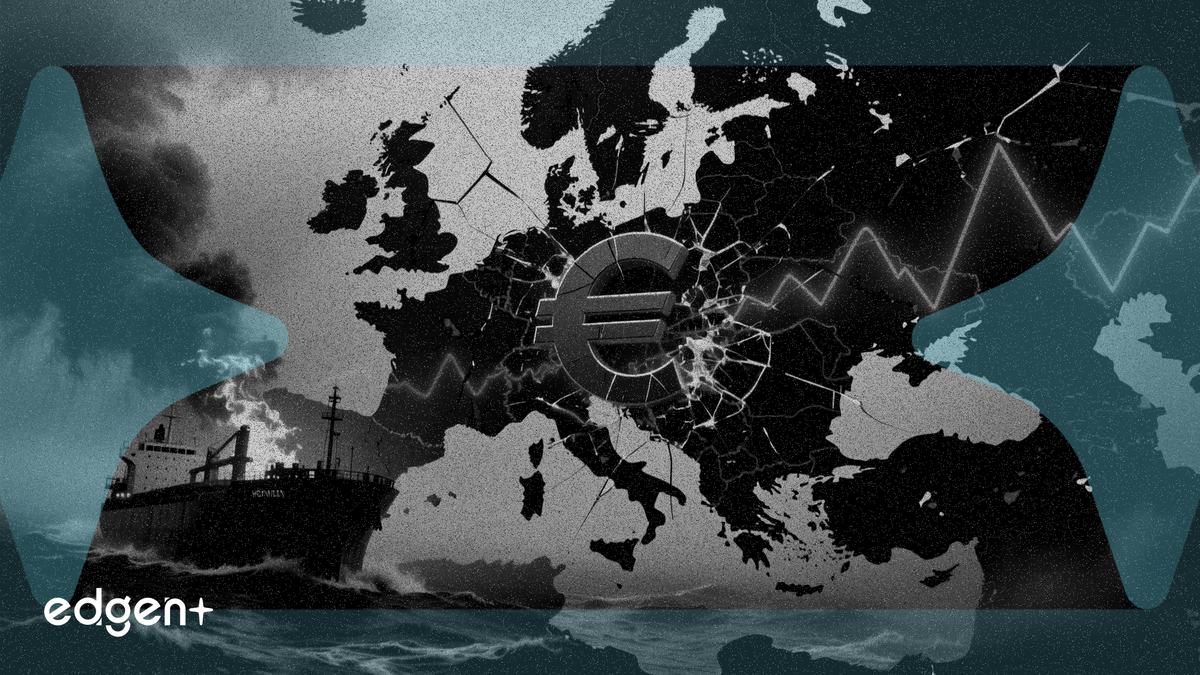
Thủ tướng Hy Lạp Kyriakos Mitsotakis đã cảnh báo vào ngày 13 tháng 5 rằng việc phong tỏa liên tục eo biển Hormuz có nguy cơ gây ra một làn sóng lạm phát mới và làm suy yếu tăng trưởng kinh tế, gây áp lực nghiêm trọng lên an ninh năng lượng châu Âu. Tuyên bố này phản ánh mối lo ngại ngày càng tăng của các nhà lãnh đạo phương Tây rằng cuộc khủng hoảng đang phát triển từ một cuộc xung đột khu vực thành một mối đe dọa kinh tế toàn cầu.
"Việc cản trở hàng hải đang diễn ra ở eo biển Hormuz sẽ gây ra lạm phát, làm suy yếu tăng trưởng kinh tế và gây áp lực lên thị trường năng lượng quốc tế," ông Mitsotakis phát biểu tại một sự kiện ở Athens. Ông lập luận rằng châu Âu phải "xem xét lại chiến lược an ninh năng lượng của mình", lưu ý rằng lục địa này có thể đã từ bỏ cơ sở hạ tầng nhiên liệu hóa thạch quá sớm.
Eo biển này là huyết mạch quan trọng đối với kinh tế toàn cầu, với một số ước tính cho thấy nó xử lý tới 34% lượng dầu xuất khẩu bằng đường biển toàn cầu và 21% tổng giao dịch hàng hải. Trong khi giá dầu thô đã tăng khoảng 50% kể từ khi cuộc xung đột giữa Mỹ-Israel và Iran bắt đầu vào ngày 28 tháng 2, tác động kinh tế đầy đủ của sự gián đoạn này chỉ mới bắt đầu xuất hiện trong các cảnh báo chính thức.
Bình luận của Thủ tướng làm nổi bật tình thế tiến thoái lưỡng nan ngày càng tăng đối với các nhà hoạch định chính sách châu Âu, những người hiện đang phải đối mặt với sự xung đột trực tiếp giữa các mục tiêu chuyển đổi xanh dài hạn và nhu cầu cấp thiết trước mắt là đảm bảo nguồn cung năng lượng. Điều này có thể buộc một sự xoay trục chiến lược để tái đầu tư vào chính cơ sở hạ tầng nhiên liệu hóa thạch mà các chính phủ đã lên kế hoạch loại bỏ dần để tránh một cuộc khủng hoảng chi phí sinh hoạt mới.
Các mối quan ngại không chỉ giới hạn ở châu Âu. Các quốc gia phụ thuộc vào nhập khẩu đã cảm nhận được áp lực khi chi phí vận chuyển tăng cao. Tại Nigeria, nơi nhập khẩu hơn 90% hàng hóa qua đường biển, tỷ lệ lạm phát chung trong tháng 3 đã tăng lên 15,38%. "Bất kỳ sự gia tăng chi phí vận chuyển nào... cũng sẽ gây ra những hậu quả sâu rộng cho nền kinh tế, các ngành công nghiệp và người tiêu dùng của Nigeria," Tiến sĩ Muda Yusuf, CEO của Trung tâm Thúc đẩy Doanh nghiệp Tư nhân (CPPE) cho biết.
Yusuf cảnh báo về một làn sóng "lạm phát nhập khẩu" mới, nơi giá cả tăng bắt nguồn từ áp lực chi phí bên ngoài thay vì chính sách trong nước. Điều này đặc biệt nghiêm trọng đối với các quốc gia phụ thuộc vào nguồn cung nước ngoài cho các hàng hóa thiết yếu. Ông nói: "Đối với các nhà sản xuất và doanh nghiệp dựa vào đầu vào nhập khẩu, chi phí vận chuyển cao hơn sẽ làm nén biên lợi nhuận, giảm sản lượng và trong những trường hợp nghiêm trọng sẽ gây ra tình trạng sa thải công nhân."
Làm trầm trọng thêm sự gián đoạn, Iran đã tiến hành chính thức hóa hệ thống thu phí đối với các tàu thuyền, thành lập "Cơ quan Quản lý Eo biển Vịnh Ba Tư (PGSA)" để điều tiết giao thông và thu thuế. Động thái này thách thức trực tiếp nguyên tắc "quá cảnh" được quy định trong Công ước Liên Hợp Quốc về Luật Biển (UNCLOS), vốn thường nghiêm cấm các quốc gia ven biển thu phí các tàu chỉ vì đi qua các eo biển quốc tế.
Tổ chức Hàng hải Quốc tế đã lên án việc áp đặt các loại phí như vậy là vi phạm luật pháp quốc tế. Tuy nhiên, động thái này tạo ra một tiền lệ nguy hiểm mà các quốc gia khác kiểm soát các điểm nghẽn chiến lược, chẳng hạn như eo biển Malacca hoặc Bab-el-Mandeb, có thể làm theo, có khả năng biến địa lý thành vũ khí và làm xáo trộn thêm thương mại toàn cầu. "Mối nguy hiểm thực sự là sự thương mại hóa," Sunday Ademuyiwa thuộc Hiệp hội các nhà nghiên cứu và tác giả hàng hải Nigeria cảnh báo. "Nếu việc thu phí được đưa ra và chấp nhận ở Hormuz, nó sẽ tạo tiền lệ nơi địa lý trở thành một dịch vụ phải trả phí."
Trái ngược với suy nghĩ thông thường, giá dầu thô vật chất đã giảm nhẹ trong những tuần gần đây, với mức phí chênh lệch (premium) sụt giảm từ mức hơn 30 USD mỗi thùng so với giá chuẩn xuống gần mức tương đương. Điều này không phải do cuộc khủng hoảng đã được giải quyết, mà là nhờ một loạt các bộ đệm tạm thời. Các nhà máy lọc dầu đã và đang rút bớt hàng tồn kho, và Cơ quan Năng lượng Quốc tế (IEA) đang điều phối việc giải phóng 400 triệu thùng từ các kho dự trữ chiến lược toàn cầu.
Hơn nữa, Trung Quốc, nước nhập khẩu dầu thô hàng đầu thế giới, đã cắt giảm 20% lượng nhập khẩu trong tháng 4 xuống mức thấp nhất kể từ năm 2022, giúp giảm bớt áp lực tăng giá. Tuy nhiên, các nhà phân tích cảnh báo sự thuyên giảm này rất mong manh. "Thị trường dầu vật chất nói chung không phản ánh mức độ thắt chặt thảm khốc," Neil Crosby, một nhà phân tích cấp cao tại Sparta Commodities, nói với Bloomberg. Một khi các bộ đệm này cạn kiệt và nhu cầu theo mùa tăng lên, "mọi thứ đã sẵn sàng cho sự hồi phục của mức chênh lệch dầu Brent."
Bài viết này chỉ nhằm mục đích cung cấp thông tin và không cấu thành lời khuyên đầu tư.
