
Conflicting reports over a potential ceasefire between Hezbollah and Israel inject fresh uncertainty into oil markets, leaving traders to weigh diplomatic whispers against continued military action.
Conflicting reports over a potential ceasefire between Hezbollah and Israel inject fresh uncertainty into oil markets, leaving traders to weigh diplomatic whispers against continued military action.
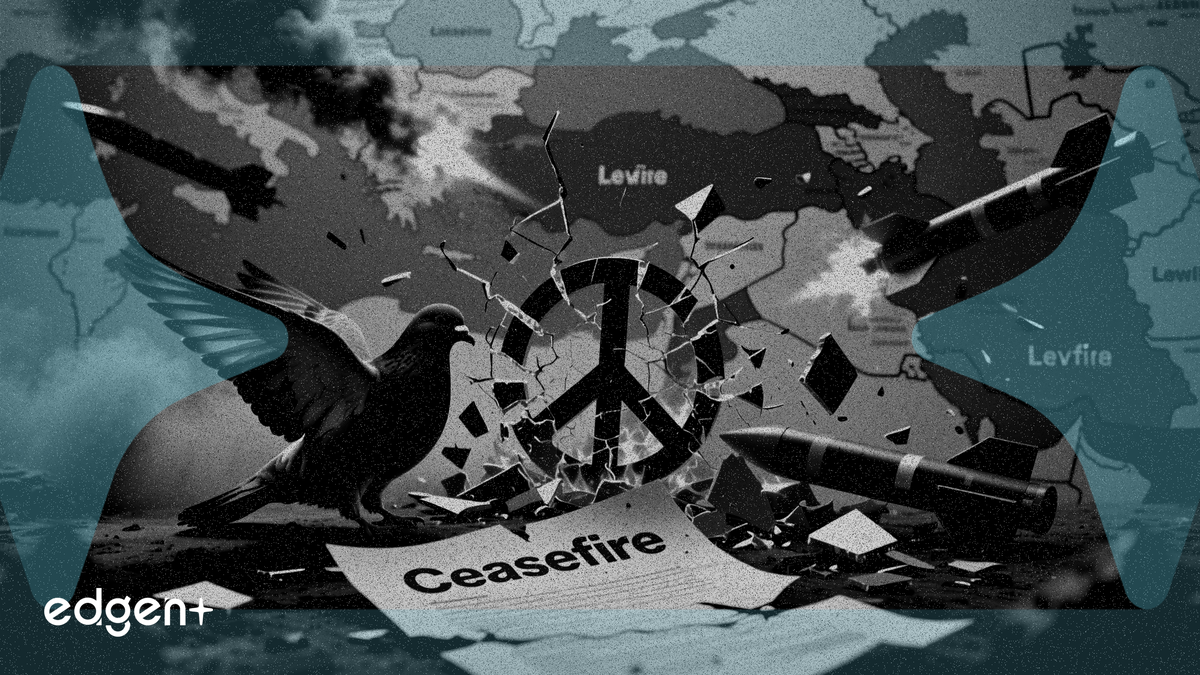
A reported ceasefire by Lebanon's Hezbollah on April 8 was contradicted by ongoing Israeli airstrikes, injecting fresh volatility into crude oil markets and challenging a fragile US-Iran diplomatic effort to de-escalate regional tensions.
"The market is caught between a verbal intervention and kinetic reality," said a geopolitical analyst at a major energy firm. "Until we see a verified cessation of hostilities from both sides, the geopolitical risk premium on oil is here to stay."
Sources close to Hezbollah indicated a halt to attacks on northern Israel early on April 8, a move framed as part of a temporary US-Iran agreement. However, the Israeli military continued airstrikes in Lebanon, negating the report and leaving market participants on edge. The initial news of a potential ceasefire had little immediate impact on Brent crude futures, which hovered around the $90 per barrel mark, suggesting deep skepticism among traders.
The episode underscores the difficulty in pricing geopolitical risk and the high stakes for the global economy. A sustained conflict keeps pressure on oil prices, threatening to complicate the inflation fight for central banks globally. The last major cross-border escalation in 2006 saw Brent crude prices surge over 20 percent in a single month.
The core of the market's dilemma lies in the lack of confirmation. While the report of a Hezbollah ceasefire originated from sources said to be close to the group, no official statement was released. Simultaneously, Israeli defense officials have maintained a stance of responding to any and all threats, making their continued military operations consistent with their stated policy. This information asymmetry creates a whipsaw environment for assets sensitive to Middle East tensions, including oil, gold, and the US dollar.
For oil traders, the situation is particularly acute. The market has been pricing in a significant risk premium due to the conflict, with fears that an escalation could disrupt key shipping lanes or draw in major oil-producing nations. A confirmed ceasefire would likely trigger a sharp, albeit perhaps temporary, sell-off in crude prices as that premium evaporates. Conversely, the failure of this reported truce to materialize reinforces the bullish case for oil, keeping prices elevated and supporting energy equities like Exxon Mobil and Chevron.
This article is for informational purposes only and does not constitute investment advice.