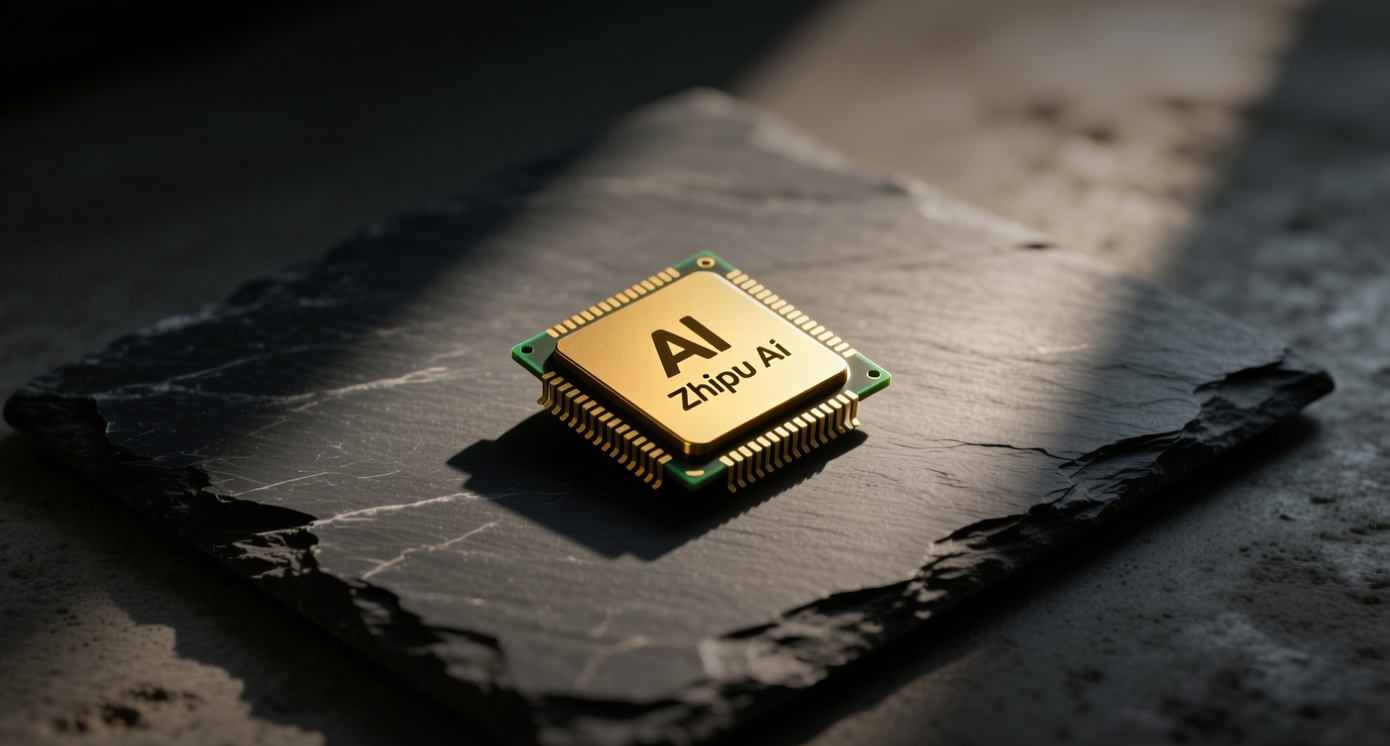
Hong Kong-listed artificial intelligence stocks suffered their worst session in months on Tuesday, with Zhipu AI plunging more than 15% in a broad-based selloff that swept across the sector.
The Hang Seng Tech Index fell 2.3% to 4,812 on June 23, extending its June decline to 7.8% as AI-related names led losses across Hong Kong equity markets. Zhipu AI (智谱) dropped 15.2%, the steepest single-day decline since the company's listing, while MINIMAX-W slid 8.4%, Xizhi Tech-P (曦智科技-P) and Qunhe Tech (群核科技) each fell more than 7%, and Montage Technology (澜起科技) and GigaDevice (兆易创新) declined over 6%.
"The selloff reflects a repricing of AI valuation premiums as investors rotate out of high-multiple growth names into sectors with more immediate earnings visibility," said Kevin Ip, equity strategist at Edgen. "The market is questioning whether the monetization timeline for these AI platforms justifies current valuations, particularly given the weak consumer spending backdrop in China."
The Hang Seng Index fell 1.1% to 23,508, underperforming the Shanghai Composite Index, which declined 0.3%. The divergence highlights the AI-heavy composition of Hong Kong's tech benchmark versus the mainland's broader industrial and financial weighting. Trading turnover on the Hong Kong exchange reached HK$142 billion, above the 20-day average of HK$118 billion, indicating institutional participation in the selloff.
The coordinated decline across multiple AI names — from large-language-model developers like Zhipu and MINIMAX to semiconductor suppliers like Montage Technology — suggests a common catalyst rather than company-specific weakness. Traders pointed to three factors: a 12-basis-point rise in the 10-year US Treasury yield overnight to 4.38%, which pressured duration-sensitive growth stocks globally; profit-taking after the AI sector's 34% rally in the first five months of 2026; and growing caution ahead of China's June manufacturing PMI release scheduled for June 30, where economists expect a reading of 49.8, below the 50 expansion threshold.
AI Valuation Premium Under Scrutiny
The selloff marks a sharp reversal for a sector that had been the standout performer in Hong Kong markets this year. The Hang Seng Tech Index's price-to-earnings ratio had expanded to 28 times forward earnings at its May peak, a 40% premium to the broader Hang Seng Index's 20 times, according to Bloomberg-compiled data. That premium has now compressed to approximately 32% as investors reassess the revenue growth trajectories of AI companies that have yet to demonstrate consistent profitability.
Zhipu AI, which raised $2.5 billion in its initial public offering in March 2026, reported a net loss of 1.8 billion yuan in its first quarterly earnings as a public company in May, with revenue of 420 million yuan falling short of the 510 million yuan consensus estimate. MINIMAX-W, which listed on the Hong Kong Stock Exchange in February, has similarly faced questions about its path to profitability, with operating expenses consuming 94% of revenue in its most recent filing.
The weakness in Hong Kong AI stocks coincided with a 1.6% decline in the Philadelphia Semiconductor Index overnight, as US-listed AI chipmakers also retreated. Nvidia Corp. fell 2.3%, while Advanced Micro Devices dropped 1.8%, suggesting the selloff is part of a broader global reassessment of AI-related equities rather than a Hong Kong-specific phenomenon.
Cross-Asset Context and What Comes Next
The yuan weakened past 7.28 against the dollar to 7.2835, its lowest level in two weeks, adding pressure on Hong Kong-listed Chinese companies that report earnings in renminbi. The onshore Chinese 10-year government bond yield edged down 2 basis points to 2.12%, reflecting a flight to safety within mainland markets.
For investors, the key question is whether Tuesday's selloff represents a healthy correction within a secular AI bull market or the beginning of a more sustained de-rating. The Hang Seng Tech Index's next major support sits at 4,700, a level that has held since March. A break below that would open the path toward 4,500, erasing the index's gains from the AI rally that began in February.
The June 30 PMI release will be the next catalyst for the sector. A reading below 49.5 would likely intensify selling pressure on growth stocks, while a print above 50 could stabilize sentiment. Until then, the AI sector's elevated valuation multiples leave it vulnerable to further profit-taking in a market that is increasingly favoring value-oriented and dividend-paying stocks.
This article is for informational purposes only and does not constitute investment advice.