
A new US blockade on Iranian ports is sparking fears of a system-wide supply shock that could create physical shortages of goods within 10 days, according to security analysts.
A new US blockade on Iranian ports is sparking fears of a system-wide supply shock that could create physical shortages of goods within 10 days, according to security analysts.
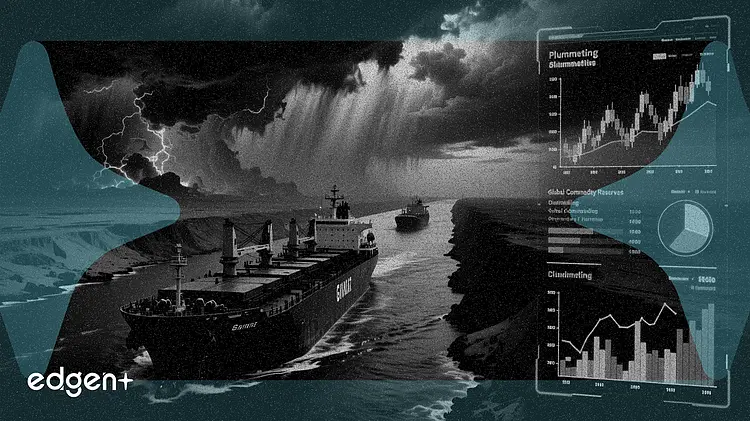
A US naval blockade of Iranian ports that began Monday is already sending ripples through global shipping lanes, with one security analyst warning that the global economy could face physical shortages of critical goods within 10 days. The blockade follows a breakdown in peace talks between the US and Iran, pushing global oil prices to multi-year highs and threatening widespread economic disruption.
"Within 10 days, parts of the global economy will start running short of critical goods," Robert Pape, a political scientist and security scholar at the University of Chicago, wrote on Sunday. "After 30 years studying economic sanctions and blockades, I don't say this lightly: Not just higher prices. Shortages. Markets are not ready for this."
Despite the blockade, the waterway has not been fully sealed. Maritime analytics firm Windward reported Tuesday that 17 commercial vessels—including five oil tankers—were observed transiting the strait on Monday, April 13. The firm noted, however, that it also observed abnormal behaviors such as ships turning around or disabling their tracking systems, suggesting carriers are reassessing the heightened risks. The blockade officially targets "vessels of all nations entering or departing Iranian ports," according to a US Central Command statement, and will not impede vessels using non-Iranian ports.
The disruption comes after five weeks of hostilities have already constrained traffic through a strait that handles roughly 20 percent of the world's gas and 13 percent of its oil. "This shock is large," IMF Managing Director Kristalina Georgieva told CBS on Sunday, confirming that the fund will issue a downgrade for 2026 global growth projections. "Factories don't slow because costs rise. They stop because materials don't arrive," Pape added, noting this shock is larger than the one seen during the 1973 oil crisis.
The core of the concern, according to Pape, is the market's focus on oil prices is outdated. The real risk is a physical depletion of inventories for oil and its downstream products, including plastics and fertilizers. As these material inputs dwindle, the economic impact shifts from being a manageable price increase to a crippling physical shortage.
"Everyone is still talking about oil prices. That's already outdated," Pape wrote. "This is no longer a price shock—It is the early stage of a system-wide supply shock." He argued that while Asia and Europe would be hit first, the globally integrated US economy would not be spared as supply chains seize up.
The US blockade is the latest stressor on the vital chokepoint. For weeks, Iran's military has restricted shipments for countries supporting the US and imposed tolls on other vessels seeking safe passage. The Windward report noted that shipping through the strait remains "constrained, inconsistent, and dependent on permissions rather than open navigation."
The failed peace talks in Pakistan over the weekend, which reached no firm understanding, were followed by a sharp reescalation from President Donald Trump, who warned the US military was ready to "finish up the little that is left of Iran!" For now, market watchers are closely monitoring transit volumes through Hormuz as the primary indicator of the blockade's severity and its cascading impact on the global economy. As Pape warned, "By the time shortages show up in headlines, it's already too late."
This article is for informational purposes only and does not constitute investment advice.