
The International Criminal Court's decision to pursue Vladimir Putin and Benjamin Netanyahu has triggered a sanctions-and-withdrawal spiral that threatens its existence.
The International Criminal Court's decision to pursue Vladimir Putin and Benjamin Netanyahu has triggered a sanctions-and-withdrawal spiral that threatens its existence.
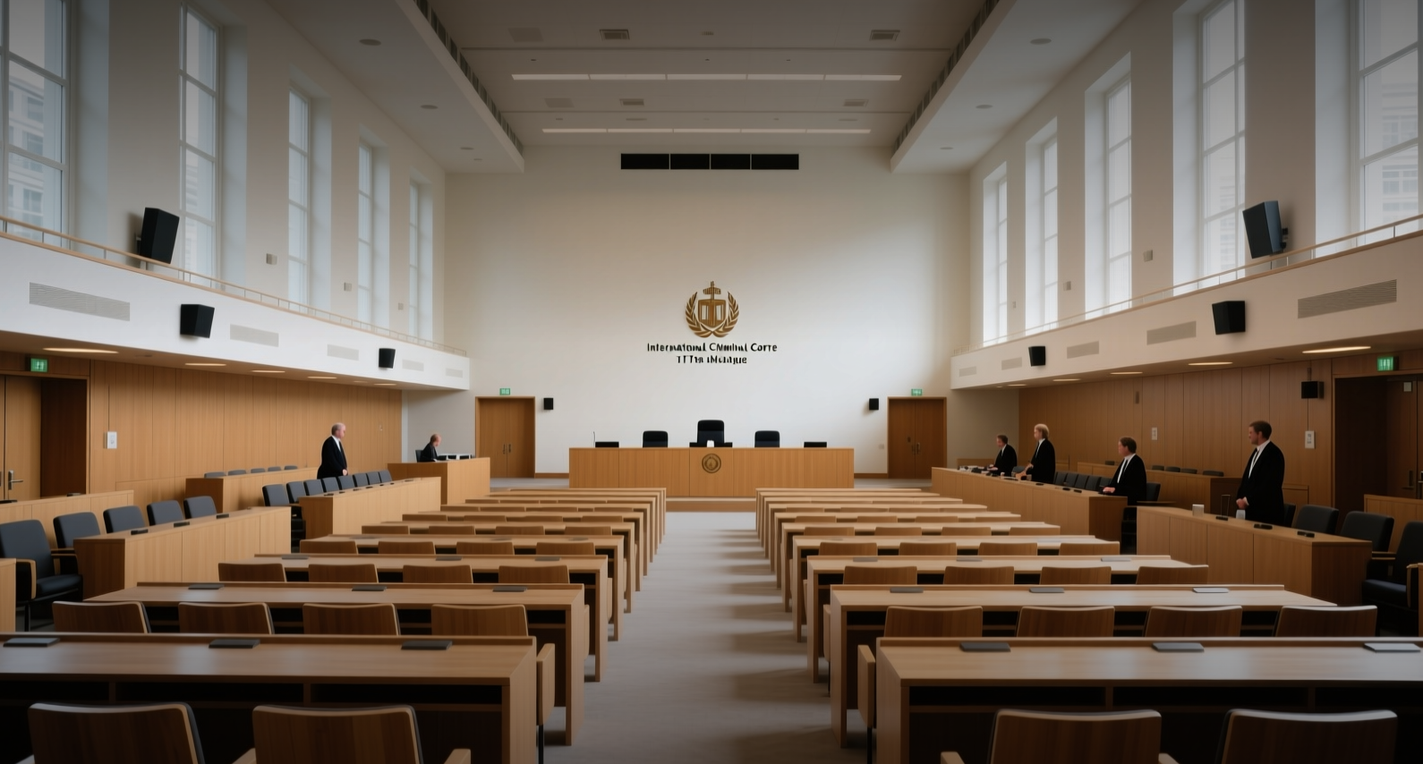
The International Criminal Court's decision to pursue Vladimir Putin and Benjamin Netanyahu has triggered a sanctions-and-withdrawal spiral that threatens its existence.
The International Criminal Court's warrants for Vladimir Putin and Benjamin Netanyahu have triggered a US sanctions campaign and four state withdrawals, pushing the 24-year-old tribunal to the brink of collapse.
"The court has not been effective as a judicial institution even when it has had the perpetrators in custody," said Stephen Rapp, former US ambassador-at-large for war crimes and chairman of the Commission for International Justice and Accountability.
The Trump administration has pledged to dismantle the court, this month sanctioning ICC President Tomoko Akane and Abdoulaye Seye, the Senegalese lawyer leading the Israel investigation. Secretary of State Marco Rubio called the court "corrupt and fatally politicized." Venezuela and Chad notified the United Nations in late July they were withdrawing from the Rome Statute, the court's founding treaty, while Burkina Faso, Mali and Niger completed formal withdrawal notification in June. The sanctions have also disrupted daily operations: the ICC abandoned Microsoft Office for a German open-source operating system over fears Microsoft would stop working with the court, officials said.
The crisis threatens years of work establishing the court's authority as heir to the Nuremberg tribunals and the special courts for the Balkan wars and Rwandan genocide. With member states refusing to enforce warrants and the US, China, India, Russia and Israel never having joined the Rome Statute, the court's reach now extends mainly to failed and authoritarian states where national prosecutions are impossible.
Putin has traveled to two ICC member nations — Mongolia and Tajikistan — that refused requests to arrest the Russian president. Russia supplies almost all of the two countries' refined fuels and 13 percent of Mongolia's electricity, and Mongolian officials said Moscow had limited energy exports before Putin's visit. Hungary welcomed Netanyahu last year, refusing an ICC request to arrest him while announcing it would withdraw from the Rome Statute; the newly elected government reversed that decision in late May. ICC judges have demanded member states enforce the warrants on at least three occasions without success.
In its 24-year history, the court has convicted nine people of war crimes and crimes against humanity and another five of minor offenses such as witness tampering — all from African nations. It has apprehended 23 people under arrest warrants while 35 others remain at large. Sexual assault allegations against Chief Prosecutor Karim Khan, who was voted out by member countries last month, further damaged the court's credibility. The case against Israeli officials was the first time the ICC charged a country with an independent judiciary, a step John Bellinger, former senior legal adviser at the US State Department under George W. Bush, called a mistake — though he added Rubio should have proposed reforms rather than calling for the court's destruction.
The last time Washington sanctioned ICC officials, in 2020 under Executive Order 13928 targeting then-Chief Prosecutor Fatou Bensouda, the measures were rescinded by the Biden administration. This time the campaign is broader and the court's membership is fracturing, leaving the tribunal's future dependent on whether remaining European members enforce warrants and whether further withdrawals follow.
This article is for informational purposes only and does not constitute investment advice.
