
The UAE detected two ballistic missiles from Iran on Tuesday, one landing within its territorial waters, as Tehran escalates attacks on Gulf states after the collapse of a June ceasefire memorandum.
The UAE detected two ballistic missiles from Iran on Tuesday, one landing within its territorial waters, as Tehran escalates attacks on Gulf states after the collapse of a June ceasefire memorandum.
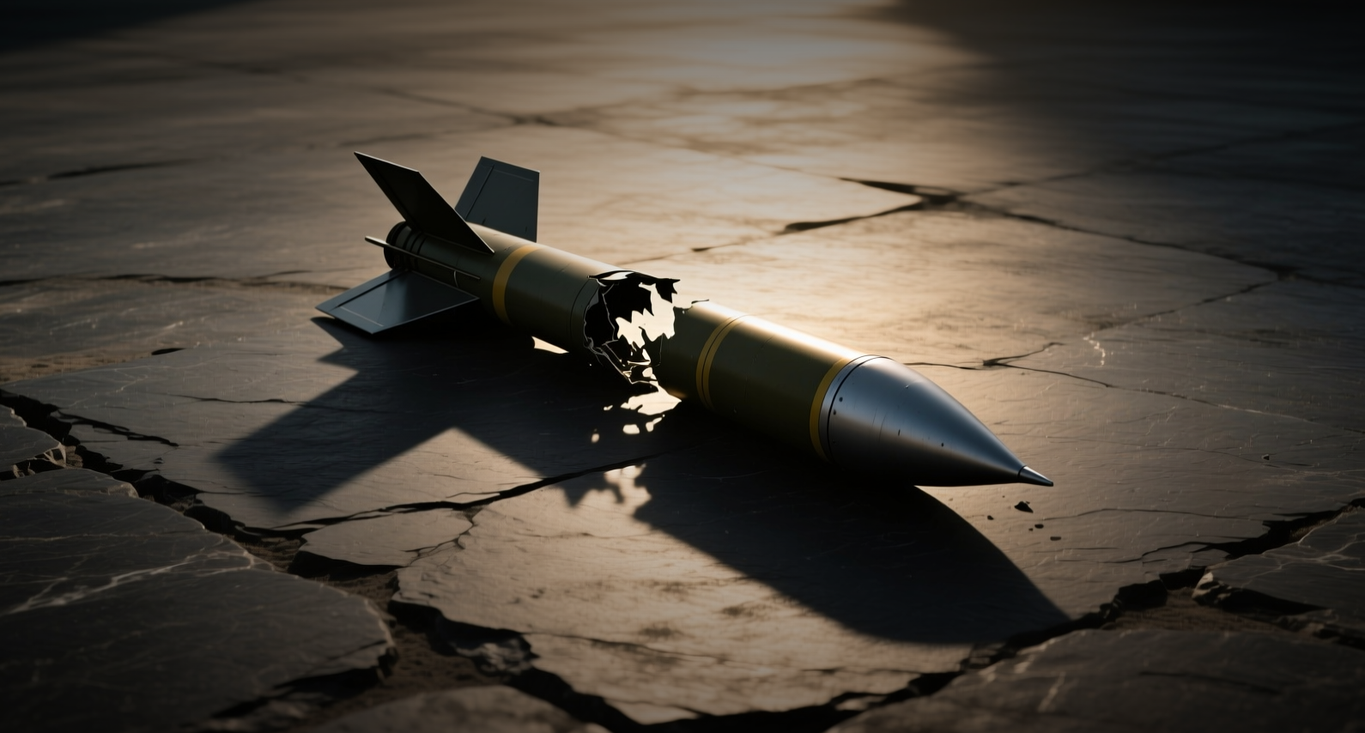
The UAE detected two ballistic missiles fired from Iran on Tuesday, one landing within its territorial waters, as the Gulf conflict enters a new phase threatening the Strait of Hormuz shipping lane.
"Due to the current situation, potential missile threats, immediately seek a safe place in the closest secure building," the interior ministry said in a phone alert to residents, which was lifted shortly after. The defense ministry said the country remains at high alert and prepared to respond to any threats, according to a statement on X.
The UAE has faced more than 2,750 aerial threats since the Middle East war began Feb. 28, including about 550 ballistic missiles and 2,200 drones, according to state news agency WAM. Israeli air defense systems, including the Iron Dome, have been deployed on Emirati territory for the first time to protect Dubai and Abu Dhabi.
The escalation threatens the Strait of Hormuz, through which roughly 21 percent of global oil consumption passes. US President Donald Trump declared the strait "new US territory" on Monday after the memorandum of understanding deadline expired, while Iran's top negotiator said the waterway will remain closed until Washington meets interim deal conditions.
Iran's Foreign Minister Seyed Abbas Araghchi accused the UAE of allowing its territory to be used for missile strikes against Iranian positions, alleging attacks on Kharg Island and Abu Musa were launched from HIMARS rocket systems stationed in Ras Al Khaimah and near Dubai. The UAE has firmly rejected the allegations, with Presidential adviser Anwar Gargash asserting the country did not allow strikes from its territory.
Iran's Khatam al-Anbiya central headquarters warned UAE residents to evacuate areas near key ports, including Jebel Ali, Khalifa Port, and the Port of Fujairah, claiming these facilities linked to American military assets could be targeted in retaliation. For the first time, Tehran has threatened non-US assets in a neighboring country during the ongoing conflict.
The immediate market risk centers on crude oil supply. Any closure or significant disruption of the Strait of Hormuz would remove roughly 20 million barrels per day from global markets, potentially pushing Brent crude well above current levels. Trump said he hopes allied countries will send warships to help secure the strait, a key global shipping route.
Saudi Arabia's cabinet welcomed the institutional activation of the Saudi-led Multinational Maritime Defense Alliance, which aims to protect freedom of navigation across maritime straits and waterways. Tankers belonging to state-owned oil company ADNOC have been repeatedly targeted in recent weeks.
The last time Iran targeted UAE territory at this scale was in the initial weeks of the conflict, before the memorandum of understanding came into effect. That agreement has since collapsed, and Tuesday's missile detection marks the first confirmed barrage aimed at the country in months. Tuesday's alert was the first such warning since a false alarm in June and an alert in July for an attack that ultimately did not enter UAE territory.
Emergency teams in Fujairah carried out cooling operations at an oil facility after an intercepted drone triggered a fire earlier, officials said. The incident caused minor injuries to one Jordanian national but did not disrupt wider operations. In Dubai, residents in the Marina and Al Sufouh districts reported hearing several loud explosions early Sunday as air defense systems intercepted incoming threats.
In Lebanon, Israeli strikes have further worsened the humanitarian situation, with around 800 people killed and more than 850,000 displaced. Saudi Arabia has condemned attacks on Iraq's Kurdistan region, where two Iranian drones targeted the office of Prime Minister Masrour Barzani.
Safe-haven assets including gold and US Treasuries are likely to see continued inflows as the conflict shows no signs of de-escalation. The market impact extends beyond oil to regional equities, currencies, and global risk sentiment, with investors pricing in the possibility of a prolonged confrontation that could disrupt supply chains across the Gulf. The Strait of Hormuz carries roughly 20 million barrels per day, and any sustained disruption would have immediate consequences for global energy prices and inflation expectations.
This article is for informational purposes only and does not constitute investment advice.
