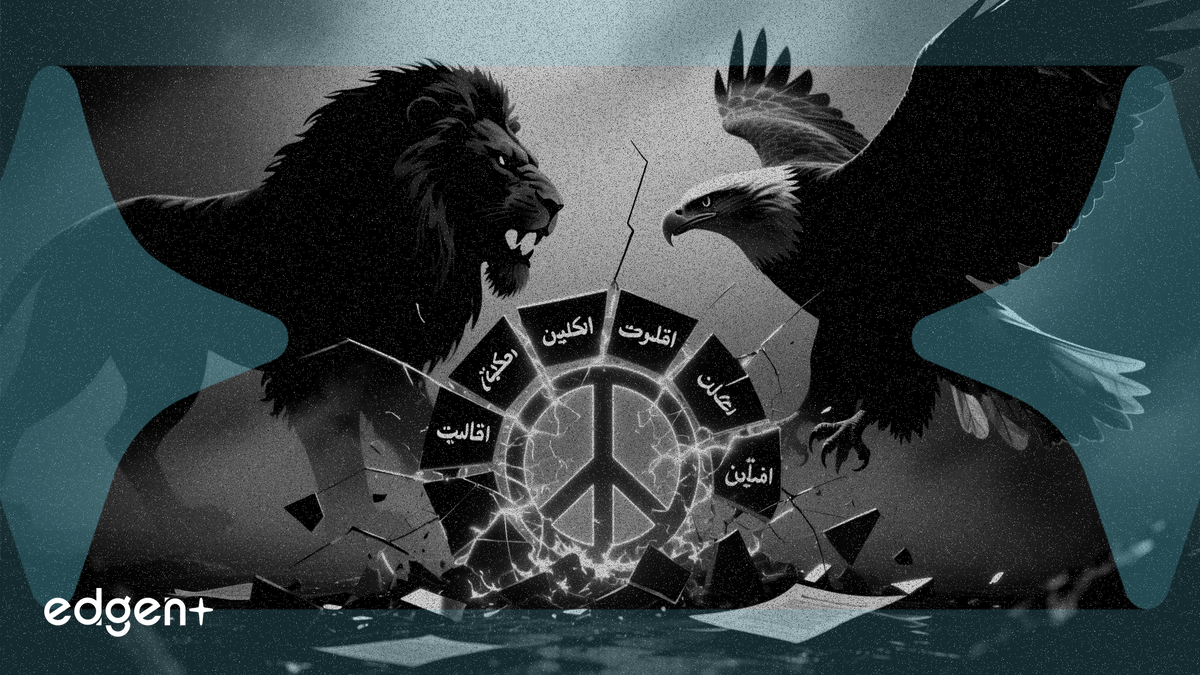
A new 14-point Iranian proposal aimed at ending the month-long conflict with the US was met with skepticism by President Donald Trump, who said he was “not satisfied” with the offer, pushing oil prices higher and extending the costly standoff in the Persian Gulf.
“A renewed conflict between Iran and the United States is likely,” Mohammad Jafar Asadi, a senior figure in the Iranian military’s central command, said in quotes published by Iran’s Fars news agency on Saturday. “Evidence has shown that the United States is not committed to any promises or agreements.”
The stalemate has kept significant pressure on the global economy and Iran itself. Oil prices remain about 50 percent above pre-war levels due to Iran’s effective closure of the Strait of Hormuz, a critical artery for global energy supplies. Meanwhile, the US counter-blockade on Iranian ports has halted an estimated $6 billion in Iranian oil exports, helping push the nation’s inflation rate past 50 percent, according to US military figures and reports from Tehran.
The latest diplomatic effort, delivered via mediator Pakistan, reportedly calls for a 30-day timeline to end the war, a withdrawal of US forces from the region, and the lifting of sanctions. In return, Iran would end its blockade. However, President Trump’s public dismissal, where he stated it was “hard to imagine the proposal could be accepted,” suggests the deadlock will continue as Washington insists on nuclear program concessions as a precondition.
The conflict, which began in late February and has been under a fragile ceasefire since April 8, has seen one failed round of peace talks. The US has recently bolstered its allies in the region, approving a $4 billion Patriot missile sale to Qatar and nearly $1 billion in precision weapons for Israel. For Iran, the economic pain is deepening, with residents reporting that savings are being depleted. “When they run out, things will change,” a Tehran resident named Amir told AFP. The next move from either side will determine if the conflict escalates from an economic war back into a military one.
This article is for informational purposes only and does not constitute investment advice.