
Iran's navy says it has "complete control" over the approaches to the Strait of Hormuz — a claim that puts the world's most critical oil chokepoint in the crosshairs.
Iran's navy says it has "complete control" over the approaches to the Strait of Hormuz — a claim that puts the world's most critical oil chokepoint in the crosshairs.
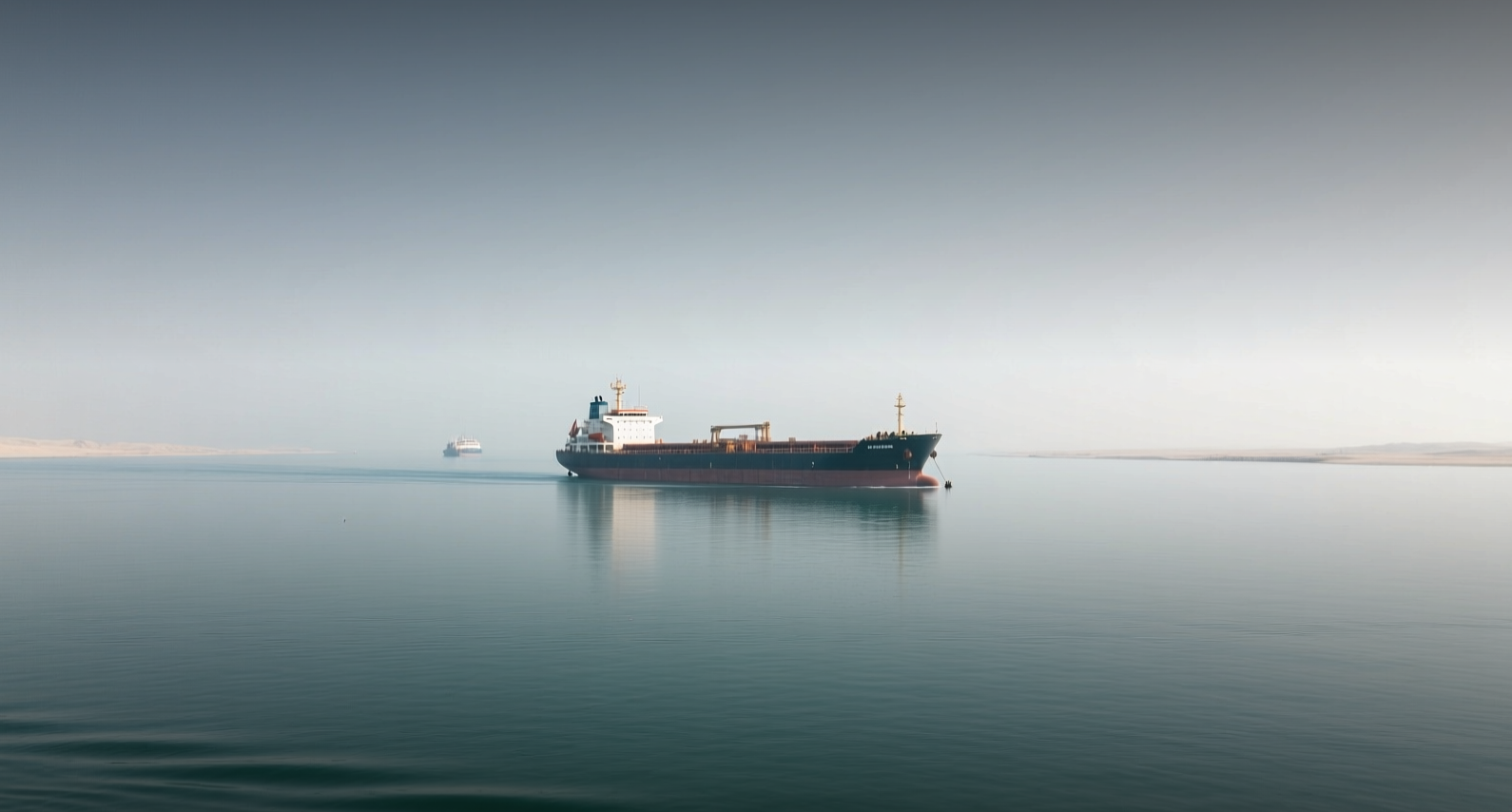
Iran's navy says it has "complete control" over the approaches to the Strait of Hormuz — a claim that puts the world's most critical oil chokepoint in the crosshairs.
Iran's navy chief claimed "complete control" over the approaches to the Strait of Hormuz on Aug. 21, threatening a "historic lesson" at sea — putting roughly 20 percent of global oil flows at risk.
"Iranian armed forces, under the Supreme Leader's leadership, maintain high readiness and will soon deliver a major, historic, and unforgettable lesson to the enemy at sea," Shahram Irani, commander of Iran's navy, said, according to CCTV International.
Irani said the sea areas east of the Strait of Hormuz and the Gulf of Oman — the gateway into the Persian Gulf — are under Iran's "complete control," with the navy monitoring "all external hostile forces" around the clock. The Strait of Hormuz carries roughly 20 percent of global oil trade, making it the world's most strategically vital energy chokepoint.
A disruption to shipping through the Strait would trigger an immediate spike in crude prices, push up freight and insurance costs for tankers, and add a geopolitical risk premium across energy and defense sectors. Safe-haven assets including gold and the U.S. dollar would likely strengthen as investors hedge against escalation.
The threat marks the latest escalation in a pattern of Iranian warnings over the Strait. In 2019, a series of attacks on tankers near the Strait and the Gulf of Oman prompted the U.S. to deploy additional naval forces to the region, sending crude prices sharply higher. Iran has repeatedly threatened to close the Strait during past disputes over sanctions and its nuclear program, though it has never fully followed through.
Oil Markets Face Immediate Risk Premium
Brent and WTI futures would be the first to react to any actual disruption, with traders pricing in supply losses from the roughly 20 percent of global oil that transits the Strait. Saudi Arabia, the UAE, Kuwait, and Iraq all export crude through the chokepoint, meaning a closure would simultaneously cut off multiple OPEC producers. The last time the Strait faced a credible closure threat — during the 2019 tanker attacks — crude prices jumped sharply and shipping insurers raised premiums for vessels transiting the region.
The energy sector would see the most direct impact, but the ripple effects would extend well beyond oil. Defense contractors would likely rally on expectations of increased military spending in the region, while airlines and shipping companies would face higher fuel and insurance costs. European natural gas prices could also react, given that LNG carriers from Qatar pass through the Strait en route to European terminals.
What Happens Next
The immediate question is whether Iran's rhetoric translates into action. Tehran has used the Strait as leverage in past negotiations, and the threat may be aimed at extracting concessions rather than triggering a full closure. But the risk is asymmetric: even a limited incident — a seized tanker or a mine strike — would be enough to move oil prices and disrupt shipping schedules. Traders will watch for any U.S. or allied naval response, as well as statements from OPEC members who would bear the brunt of a closure.
If the Strait were disrupted for even a week, the global oil market would face a supply gap that spare capacity from Saudi Arabia and the UAE could only partially fill. That scenario would push crude prices sharply higher, feed through to inflation expectations, and complicate the monetary policy outlook for major central banks already navigating elevated price pressures. For equity markets, the risk is a broad selloff in energy-intensive sectors, with defensive and safe-haven assets outperforming.
This article is for informational purposes only and does not constitute investment advice.
