
US importers accelerated shipments through the busiest US container ports at a record June pace, racing to beat higher fuel costs and a new wave of tariffs that threatens to raise costs across retail and data center supply chains.
US importers accelerated shipments through the busiest US container ports at a record June pace, racing to beat higher fuel costs and a new wave of tariffs that threatens to raise costs across retail and data center supply chains.
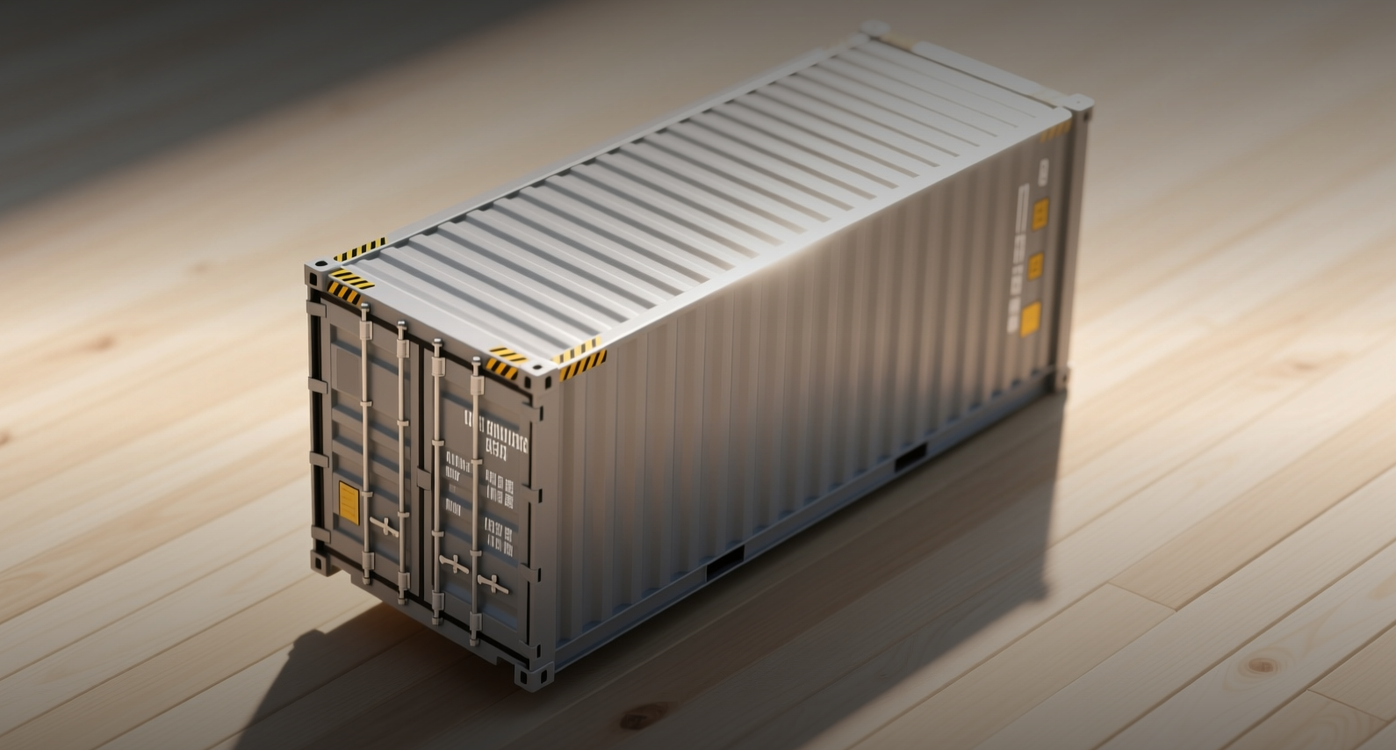
US importers accelerated shipments through the busiest US container ports at a record June pace, racing to beat higher fuel costs and a new wave of tariffs that threatens to raise costs across retail and data center supply chains.
The Port of Los Angeles set a June cargo record as retailers and data center builders rushed imports ahead of higher fuel costs and new US import tariffs, signaling businesses are bracing for a more expensive trade environment.
"The traditional peak shipping season as we know it is over," Noel Hacegaba, chief executive of the Port of Long Beach, said. The neighboring port posted its third-busiest June on record, with cargo volume rising 10.6% from a year earlier.
Import volume across major US container ports is forecast to hit an all-time record this month, according to a report from the National Retail Federation and Hackett Associates, as companies stockpile goods before a new tranche of tariffs takes effect. The current average US tariff rate on Chinese goods stands at about 19% after the previous escalation in 2025, according to data from the Peterson Institute for International Economics. The last round of tariff increases reduced bilateral trade flows by an estimated $63 billion over 12 months, Census Bureau data show.
The surge in inbound cargo provides a near-term boost to economic activity but signals that businesses expect higher costs ahead. Retailers and data center operators face margin pressure as tariffs raise input prices, while the broader import wave adds to inflation concerns that could influence Federal Reserve policy. Markets are pricing a 58% probability of a rate cut at the Fed's September meeting, according to CME FedWatch data, down from 68% a month ago as trade-driven inflation risks complicate the outlook.
Tariff Front-Running Reshapes Supply Chains
The acceleration of imports marks a departure from traditional seasonal patterns, with companies pulling forward orders to avoid tariffs that could add billions of dollars to annual procurement costs. A 25% tariff on Chinese-made electronics and machinery, if applied broadly, would add roughly $18 billion to US importer costs based on 2025 trade volumes, according to estimates from the Tax Foundation.
The rush has strained port capacity and logistics networks, with container dwell times at the San Pedro Bay complex rising to 4.2 days in June from 3.1 days in January, according to the Pacific Merchant Shipping Association. Truck turn times at the ports averaged 68 minutes in June, up from 54 minutes in the same month last year.
What's at Stake for the Broader Economy
The import surge creates a temporary economic tailwind — more cargo means more jobs in warehousing, trucking, and distribution — but the pull-forward effect risks a demand vacuum later in the year. If tariffs take effect as scheduled, the cost increases could reduce US retail sales by 0.3% to 0.5% over the following six months, based on the impact of the 2018-2019 tariff rounds, according to research from the Federal Reserve Bank of New York.
For data center builders, the stakes are particularly high. The sector imported an estimated $12 billion in server and networking equipment through Los Angeles and Long Beach last year, and a new tariff layer would raise construction costs for hyperscale facilities at a time when AI infrastructure spending is already under scrutiny from investors.
This article is for informational purposes only and does not constitute investment advice.
