
Key Takeaways:
- LME aluminum surged to $3,707.50/ton, the highest since March 2022
- Gulf production losses total an estimated 2 million tonnes annualized
- Citi calls it the most bullish aluminum set-up in more than 50 years
Key Takeaways:
Key Takeaways:
LME aluminum stocks fell to 339,475 tons, down a third since the start of the year, as traders rushed to fill supply gaps from the Gulf conflict, exchange data shows.
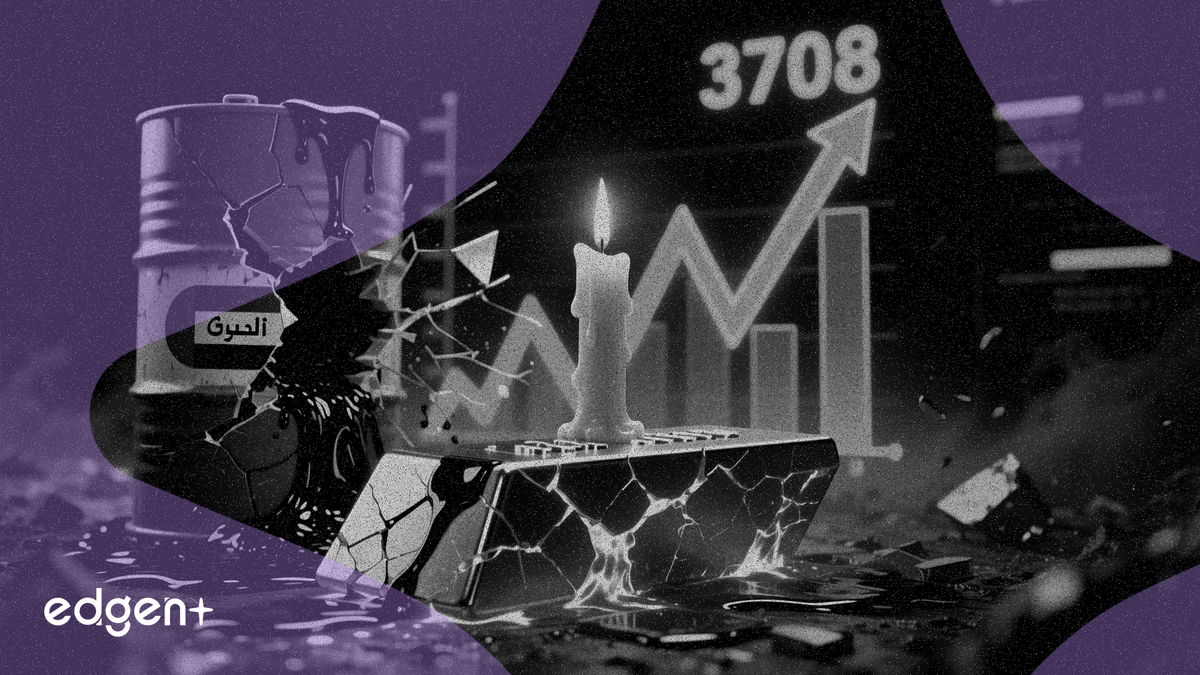
LME three-month aluminum rose 0.8 percent to $3,677.50 per ton by the close, after touching $3,707.50 earlier in the session — the highest since March 24, 2022. The cash-to-three-months spread flipped to an $80 backwardation, the tightest since 2007, signaling acute near-term scarcity.
"The aluminum market has just been hit by one of the largest supply shocks in its modern history, certainly since the 1970s when the first and second energy shocks led to substantial output cuts," Citi analysts said in a note. The bank forecasts aluminum averaging $4,000 per ton in the second half of 2026, with a bull case of $5,350 in 2027.
Gulf aluminum production plunged to its lowest level in over a decade in April, according to the International Aluminium Institute, with regional run-rates dropping by an annualized 2 million tonnes over March and April. Two smelters have been damaged in missile strikes: Emirates Global Aluminium's Al Taweelah plant will take a year to repair, while Qatalum has reduced capacity to 60 percent. The continued closure of the Strait of Hormuz is disrupting raw material supply to remaining Gulf producers.
Physical premiums surge as inventories drain
The supply shock is most visible in physical premiums. The CME spot premium for Japan has more than doubled to $316 per ton over the LME price since hostilities began. Japanese buyers accepted a $350 premium for second-quarter deliveries, the highest surcharge in 11 years. European duty-paid premiums jumped 58 percent, while the premium for aluminum extrusion billet in Rotterdam more than doubled to $1,100 over the LME base price, according to Fastmarkets.
LME registered stocks have fallen by a third to 339,475 tons since January, with almost 68,000 tons cancelled for physical load-out in recent weeks. The remaining warrant-tonnage is largely Russian aluminum stored at Gwangyang, South Korea — inaccessible to US and European buyers due to sanctions. Off-warrant "shadow" stocks have also drained to their lowest since the LME began reporting them in 2020.
Producers and banks turn bullish
UBS upgraded Alcoa to buy from neutral, forecasting its Australian-listed shares could rise to A$110, an 11 percent upside. The bank expects more than 3 million tonnes of supply disruption from the Middle East conflict to more than offset demand weakness. Alcoa shares have already gained 49 percent over the past 12 months.
China's aluminum production is running close to the government's capacity cap, leaving limited room for further output increases. While Chinese exports of semi-processed products such as strip and foil are rising, raw metal shipments remain constrained. The Gulf accounts for more than a fifth of non-Chinese production and is a core supplier to Japan, South Korea, the European Union and the United States.
Aluminum at $3,677 per ton is 47 percent higher than a year ago but remains below the all-time high of $4,073 set in March 2022 after Russia's invasion of Ukraine. The next catalyst for prices will be the duration of the Strait of Hormuz closure and any further production cuts from Gulf smelters struggling to source alumina feedstock.
This article is for informational purposes only and does not constitute investment advice.
