

Lockheed Martin's new PAC-3 ACE interceptor, priced at less than half the cost of its MSE variant, aims to meet surging global air defense demand as the Ukraine war and Middle East tensions drive procurement.
Lockheed Martin's new PAC-3 ACE interceptor, priced at less than half the cost of its MSE variant, aims to meet surging global air defense demand as the Ukraine war and Middle East tensions drive procurement.
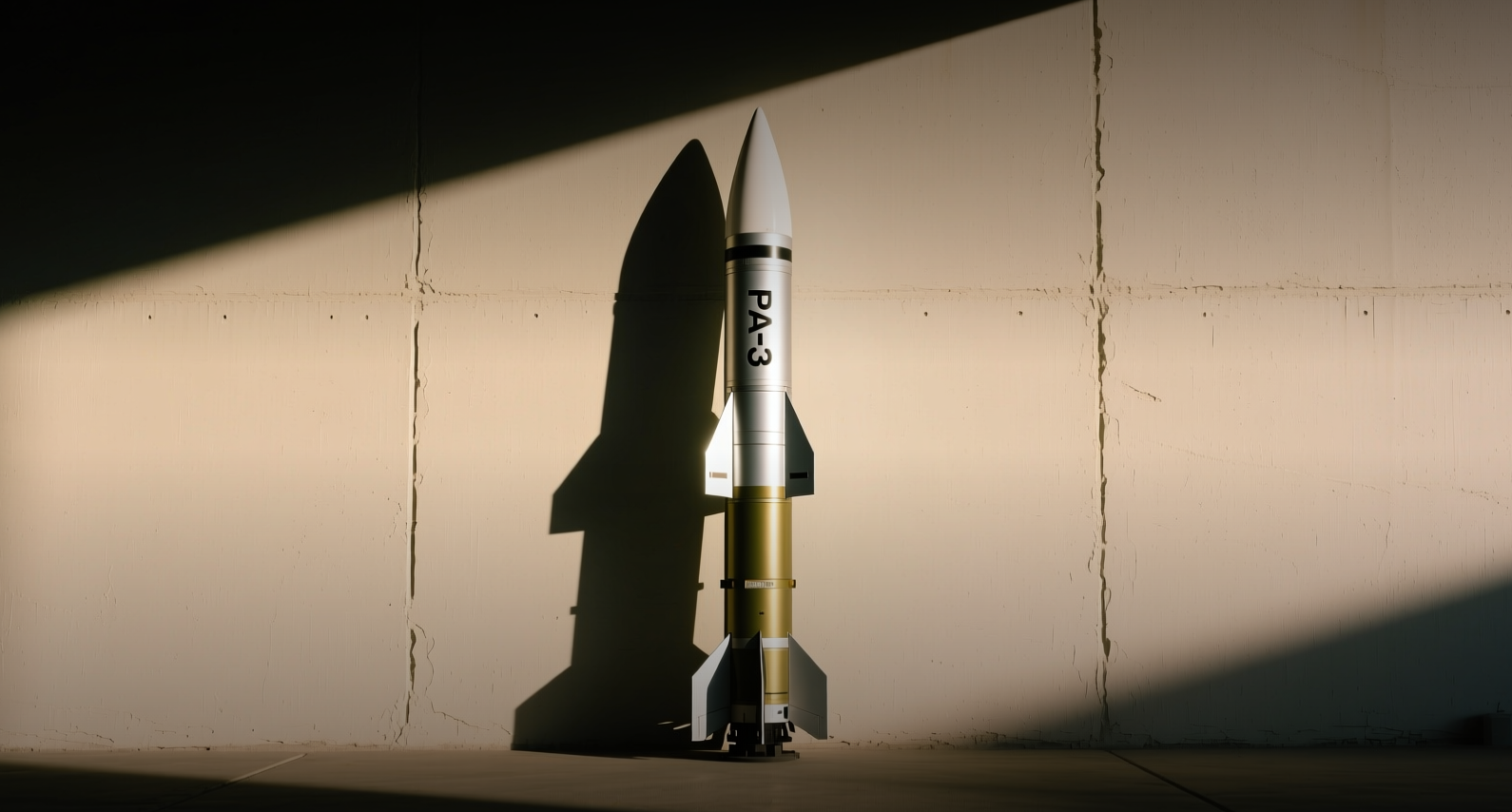
Lockheed Martin's new PAC-3 ACE interceptor, priced at less than half the cost of its MSE variant, aims to meet surging global air defense demand as the Ukraine war and Middle East tensions drive procurement.
Lockheed Martin introduced the PAC-3 ACE interceptor at the Farnborough Airshow on Monday, priced at less than half the $4 million-per-unit cost of its MSE variant, as allied nations race to bolster air defenses against evolving missile and drone threats.
"American and allied warfighters need a solution that is battle-tested and budget-smart, and PAC-3 ACE delivers exactly that by building on the unrivaled performance of the PAC-3 MSE," Tim Cahill, president of Lockheed Martin Missiles and Fire Control, said.
The interceptor, built on the battle-proven PAC-3 fire-control system and fully integrated with the Patriot weapon system and the Integrated Battle Command System, is designed to counter airbreathing threats, cruise missiles, and short-range ballistic missiles within a single platform. Lockheed said initial production could begin within 36 months, with joint development and manufacturing alongside American and European industry partners.
The launch comes as European nations accelerate defense spending following Russia's 2022 invasion of Ukraine, with Ukrainian President Volodymyr Zelenskiy repeatedly requesting additional Patriot launchers and interceptors. Rising tensions involving Iran, Israel, and the US have further strained production capacity across the Western defense industry, making cost-effective interceptors a strategic priority for allied forces.
The cost differential is significant. While Lockheed did not disclose a specific unit price for the ACE, the PAC-3 MSE carries an estimated cost of about $4 million per missile based on US Army budget documents. At less than half that figure, the ACE could expand the addressable market to cost-sensitive allied nations that have struggled to justify the expense of high-end interceptors against lower-cost drone and cruise missile threats.
The Patriot system has become one of the world's most in-demand missile defense platforms since the war in Ukraine began in February 2022. The conflict has demonstrated the critical importance of air defense, with both sides expending thousands of missiles and drones. Ukraine has repeatedly called for more Patriot systems to counter Russian ballistic missile attacks, while NATO members in Eastern Europe have accelerated their own procurement.
Transatlantic Production as a Strategic Hedge
Lockheed's decision to develop and manufacture the ACE jointly with European partners reflects a broader shift in the defense industrial base. European governments are investing in domestic manufacturing capacity to reduce reliance on US suppliers, even as they continue to purchase American systems. The ACE program's collaborative model — shared development, shared production, shared interoperability — could serve as a template for future transatlantic defense programs.
The announcement also comes as traditional defense contractors face growing competition from Silicon Valley-backed startups developing cheaper, rapidly produced weapons systems. Companies such as Anduril Industries and Palantir Technologies have won Pentagon contracts by promising faster development cycles and lower unit costs, challenging the procurement models that have dominated the sector for decades.
Market Implications for the Defense Sector
For Lockheed, the ACE represents an opportunity to protect and expand its franchise in the air defense market, which accounts for a significant portion of its Missiles and Fire Control segment revenue. The company's ability to deliver a lower-cost interceptor while maintaining the reliability of the PAC-3 brand could strengthen its competitive position against rivals including RTX Corp., which manufactures the competing Patriot Advanced Capability-3 system, and Northrop Grumman Corp.
The broader defense sector has benefited from elevated geopolitical tensions, with the SPDR S&P Aerospace & Defense ETF gaining ground as NATO members commit to spending at least 2% of gross domestic product on defense. The ACE program's rapid fielding timeline — initial production within 36 months — suggests Lockheed expects demand to remain elevated for the foreseeable future.
This article is for informational purposes only and does not constitute investment advice.
