
The escalating conflict in the Middle East is threatening to ground Europe's aviation industry, with soaring jet fuel prices forcing drastic cuts ahead of the peak summer travel season.
The escalating conflict in the Middle East is threatening to ground Europe's aviation industry, with soaring jet fuel prices forcing drastic cuts ahead of the peak summer travel season.
The escalating conflict in the Middle East is threatening to ground Europe's aviation industry, with soaring jet fuel prices forcing drastic cuts ahead of the peak summer travel season.
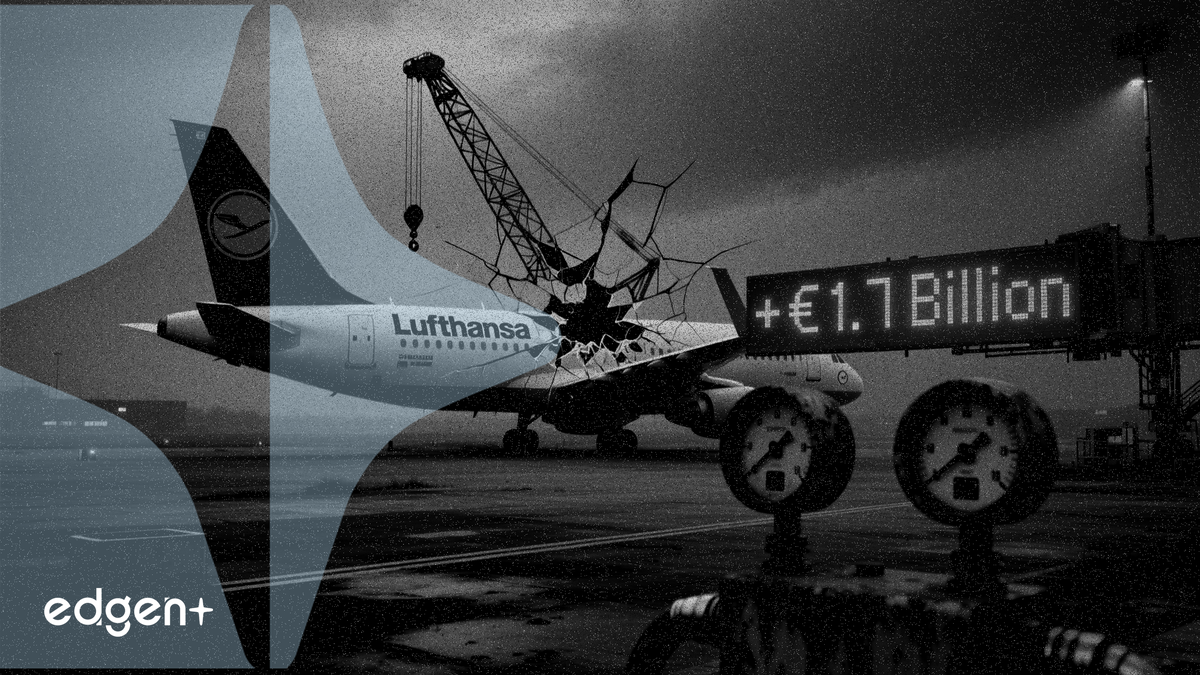
Deutsche Lufthansa AG warned it faces an additional €1.7 billion ($2 billion) in annual fuel costs due to the ongoing conflict, forcing the German carrier to cancel 20,000 short-haul flights. The move is a direct response to a European jet fuel market in crisis, with prices having doubled since the start of the year as the blockade of the Strait of Hormuz chokes a critical supply artery.
The dire situation for the continent’s energy supply was highlighted by International Energy Agency Director Fatih Birol, who warned last month that European jet fuel inventories were dangerously low. "If we cannot get additional imports from [the US and Nigeria], we will be in trouble," Birol said, noting that inventories were only weeks from being exhausted.
The financial strain is rippling across the sector. Lufthansa’s budget-carrier rival EasyJet PLC reported a £25 million hit from fuel costs in March alone. In its first-quarter earnings report on May 6, Lufthansa disclosed the €1.7 billion cost estimate and said it would exit unprofitable routes to mitigate the damage, even with approximately 80 percent of its fuel needs hedged.
At stake is the viability of the summer travel season, which the IEA projects will increase European jet fuel demand by 40 percent compared to March levels. With about 75 percent of the continent's jet fuel imported from Middle Eastern refineries, the ongoing geopolitical instability presents a severe challenge to airline profitability and operational stability.
The surge in fuel prices, airlines' second-largest expense after labor, is forcing carriers to find savings elsewhere as they are unable to pass the full cost increase to price-sensitive consumers. "Airlines can't just pass that entire increase in fuel costs through increased ticket prices," Nick Ewen, editor in chief of The Points Guy, told NPR. "Instead, they've started looking for other ways that they can potentially increase fees or increase revenue."
In North America, this has translated into higher ancillary fees. Major US carriers including American Airlines, Delta Air Lines, and United Airlines raised checked baggage fees by about $10 in April, citing the uncertain geopolitical picture. Delta also plans to cut snack and beverage service on flights shorter than 350 miles. Air Canada took a more direct approach, suspending six routes, including to New York and Toronto, that it deemed "no longer economically feasible."
Lufthansa's cancellation of 20,000 flights is designed to reduce fuel consumption by an estimated 40,000 metric tons. While the airline aims to offset the remaining financial burden through a combination of cost-cutting and moderate price increases in select international markets, it stated it does not anticipate raising UK prices beyond its initial 0.6 percent forecast for the year.
However, relief is unlikely to be swift. Experts suggest that even if the conflict were resolved today, it would take weeks or months for jet fuel supply chains to normalize and for prices to retreat meaningfully. For travelers, this means the era of rising fees and reduced services is likely to continue through the busy summer season and potentially beyond.
This article is for informational purposes only and does not constitute investment advice.

