

Twenty-nine state attorneys general are pressing Meta to prove its apps don't exploit developing minds.
Twenty-nine state attorneys general are pressing Meta to prove its apps don't exploit developing minds.
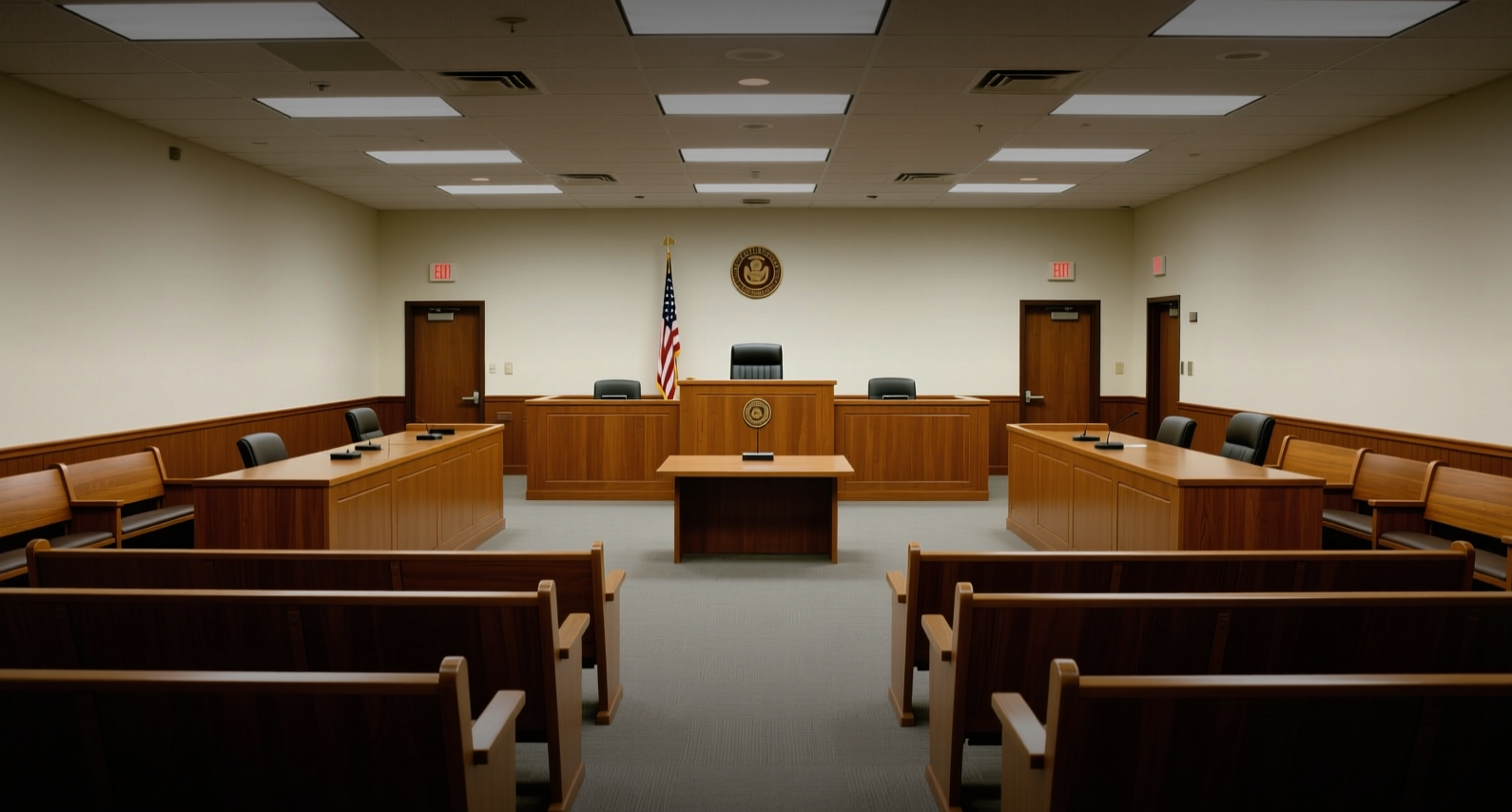
Twenty-nine state attorneys general are pressing Meta to prove its apps don't exploit developing minds.
Meta faces a federal trial in Oakland over claims it engineered Facebook and Instagram to addict children, with 29 states seeking penalties that could approach $200 billion and force changes to features such as infinite scroll and autoplay.
"Meta needed kids, and it needed to reassure the people who cared about those kids that the kids are safe," Megan O'Neill, deputy California attorney general, told the court in opening statements.
The trial, which began Aug. 18 before U.S. District Judge Yvonne Gonzalez Rogers, is expected to last six to eight weeks. California, Colorado, Kentucky and New Jersey lead the coalition that first sued in 2023, accusing Meta of violating child privacy laws and concealing internal research on how its products affect young users.
A ruling against Meta could reshape how social media platforms serve minors, with remedies ranging from age-verification mandates to limits on engagement features. The company's stock fell 4.4 percent Tuesday to close at $543.67 as investors weighed the financial exposure.
The states' case rests on internal documents and testimony from former executives. Arturo Béjar, who worked at Meta from 2009 to 2015 and later returned as a contractor focused on teenagers' experiences, testified that he repeatedly raised concerns with senior management, including CEO Mark Zuckerberg. He described the company's approach to underage users as "don't ask, don't tell," saying Meta did not do enough to identify and remove children under 13, who are barred from its platforms.
Meta's lawyers reject that interpretation. Paul Schmidt, the company's attorney, told the court the states had cherry-picked extreme cases — "proverbial needles in the haystack of billions of user experiences across the globe and over the years." He argued that research does not establish a clear causal link between adolescent social media use and poor wellbeing, and pointed to protections Meta has built, including Instagram Teen Accounts launched in 2024 and the disabling of more than 1 million accounts belonging to children under 13.
The financial stakes are enormous. The states are seeking roughly $200 billion in penalties, while Meta cautioned that cumulative statutory assessments could total an unprecedented $1.4 trillion — close to the company's entire market capitalization. Even a fraction of that figure would strain Meta's balance sheet. The company reported $2.4 billion in legal expenses in the second quarter, contributing to a miss on earnings per share, and its free cash flow fell 91 percent year over year to $784 million as AI spending climbed toward an expected $137.5 billion in 2026 capital expenditures.
The Oakland trial follows a separate judgment in New Mexico. On Aug. 6, a state judge ordered Meta to pay $567 million into a fund for treatment and other measures addressing harm to young people, on top of an earlier $375 million civil penalty — bringing the company's total liability in that case to $942 million. The court also ordered changes involving age verification and protections against child exploitation.
The case traces its origins to a 2021 U.S. Senate hearing featuring whistleblower Frances Haugen, a former Facebook data scientist who accused the company of prioritizing growth over the safety of young users. Since then, thousands of lawsuits from parents, school districts and states have accumulated, and Meta has faced similar scrutiny from regulators in Europe and elsewhere.
Legal experts following the proceedings say a verdict against Meta could trigger design mandates that ripple across the social media industry, which relies on engagement to drive advertising revenue. Time limits for minors, stronger default privacy settings and age-verification requirements at signup have all been discussed in remedies phases of related cases. The remaining 25 states in the coalition are expected to pursue their claims in a later trial, extending the legal overhang.
Outside the courthouse, parents and child-safety advocates gathered on the first day, holding a banner listing names and ages of children lost to social media-related harms. Mary Rodee, whose 15-year-old son Riley Basford died by suicide in 2021 after being victimized by a predator on Facebook, was among those attending. "They call it spontaneous suicide," Rodee said. "I call it what it was: the predictable outcome of a system that protects corporations instead of children."
The outcome of the case could determine whether states can hold one of the world's biggest technology companies legally responsible for how its platforms are designed and the effects they may have on children. If the states prevail, Meta could face both a massive financial penalty and court-ordered changes to products used by billions of people.
This article is for informational purposes only and does not constitute investment advice.
