

모더나는 최근 발생한 치명적인 발병 사태 이후 새롭게 주목받고 있는 수십 년 된 병원체인 한타바이러스를 대상으로 mRNA 플랫폼을 전환하고 있습니다.
모더나는 최근 발생한 치명적인 발병 사태 이후 새롭게 주목받고 있는 수십 년 된 병원체인 한타바이러스를 대상으로 mRNA 플랫폼을 전환하고 있습니다.
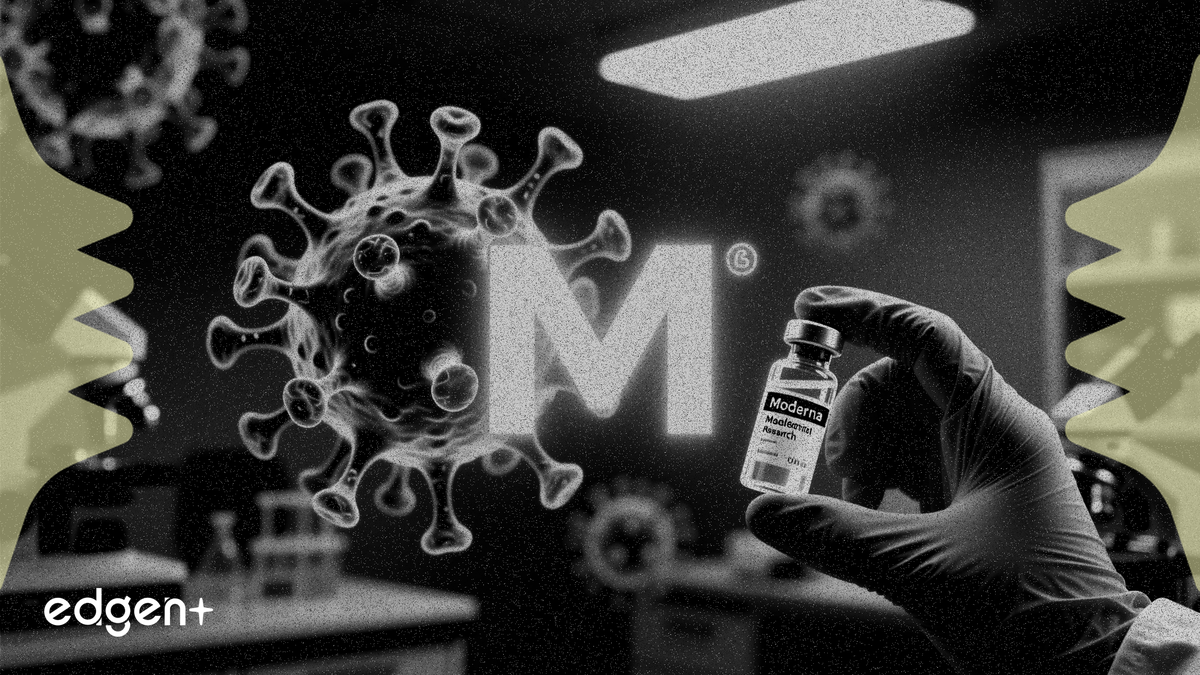
모더나(Moderna Inc.)는 잠재적인 한타바이러스 백신을 연구하고 있다고 밝혔으며, 코로나19를 넘어 파이프라인 확장을 꾀함에 따라 주가는 상승했습니다. 이번 조치는 최근 크루즈선에서 발생한 희귀하지만 치명적인 안데스 변종 한타바이러스가 3명의 목숨을 앗아가고 신종 감염병에 대한 공중 보건 우려를 다시 불러일으킨 데 따른 것입니다.
아르헨티나 코니셋(Conicet) 연구소의 생물학자 라울 곤살레스 이티그(Raul Gonzalez Ittig)는 AFP와의 인터뷰에서 "팬데믹이 발생하려면 바이러스가 인구의 50%를 죽일 정도로 치명적이어서는 안 됩니다. 모든 사람을 너무 빨리 죽여 전파 기회가 사라지기 때문입니다"라고 한타바이러스 팬데믹 가능성이 낮은 이유를 설명했습니다.
안데스 한타바이러스 변종은 치사율이 약 40%로 코로나19보다 훨씬 높은 것으로 알려져 있습니다. SARS-CoV-2와 달리 한타바이러스는 1950년대에 처음 발견된 오래된 바이러스입니다. 보통 감염된 설치류의 배설물을 통해 사람에게 전염됩니다. 안데스 변종은 드물기는 하지만 사람 간 전염 사례가 문서화된 유일한 변종입니다. 현재 승인된 백신이나 특정 치료법은 없습니다.
팬데믹 당시 고점 대비 큰 폭의 할인을 받아 거래되고 있는 모더나(MRNA)에 있어 한타바이러스 백신 개발 성공은 수익 다변화의 핵심 단계가 될 것입니다. 회사의 운명은 지금까지 코로나19 백신인 스파이크백스(Spikevax)에 압도적으로 얽매여 있었으며, 투자자들은 mRNA 플랫폼이 다른 주요 질병을 해결할 수 있다는 증거를 주시하고 있습니다.
보건 전문가들은 두 바이러스의 근본적인 차이점을 강조하며 코로나와 같은 팬데믹에 대한 공포를 진화하고 나섰습니다. 한타바이러스의 높은 치사율과 빠른 진행 속도는 종종 발병이 신속하게 통제됨을 의미합니다. 이티그 연구원은 "모든 것이 훨씬 더 빨리 일어납니다. 한 사람이 전파하고 10명이 감염되며 적절한 치료를 받지 못하면 사망합니다. 그렇기 때문에 한타바이러스 팬데믹의 가능성이 높지 않은 것입니다"라고 말했습니다.
MV 혼디우스(MV Hondius) 크루즈선 승객들이 연루된 최근 발병은 안데스 변종과 관련이 있습니다. 이 변종은 2018년 마지막 대규모 발병 당시 최소 11명이 사망했던 아르헨티나 일부 지역의 풍토병입니다. 프랑스 국립 한타바이러스 참조 센터의 비르지니 소바주(Virginie Sauvage) 소장은 이 변종의 사람 간 전염은 가능하지만, "코로나를 포함한 다른 호흡기 바이러스에 대해 알려진 것 이상으로 매우 특정한 밀접 접촉, 과밀 환경 또는 기저 질환 조건이 필요합니다"라고 설명했습니다.
한타바이러스에 대한 관심이 다시 높아지면서 잘못된 정보도 다시 유포되고 있습니다. 소셜 미디어의 널리 공유된 게시물들은 한타바이러스가 화이자-바이오엔테크(Pfizer-BioNTech) 코로나19 백신의 부작용이라고 허위 주장을 했습니다. 로이터 팩트체크 보고서에 따르면, 화이자가 2021년 연구 중 인과관계 여부와 상관없이 모니터링했던 '특별 관심 대상 이상 반응' 목록에 해당 바이러스가 언급된 것은 사실이지만, 공식 제품 설명서에는 부작용으로 기재되어 있지 않습니다.
모더나의 이번 발표는 경쟁자가 거의 없는 분야로의 진출을 의미하지만, 연구에서 상업적 제품에 이르는 길은 멀고 불확실합니다. 회사는 잠재적인 임상 시험 일정이나 연구 프로그램을 위한 현금 확보 상황을 공개하지 않았습니다. 그럼에도 불구하고 이 소식은 팬데믹 이후 시대에 기술의 가치를 증명하려는 회사에 새로운 서사를 제공하고 있습니다.
이 기사는 정보 제공 목적으로만 작성되었으며 투자 조언을 구성하지 않습니다.
