Novocure's tumor-treating electric fields device failed to improve survival in newly diagnosed glioblastoma, sending shares down 18% and casting doubt on earlier use of the therapy in one of the most aggressive forms of brain cancer.
"The study did not meet its primary endpoint, but the results demonstrated the feasibility and safety of initiating Tumor Treating Fields therapy during chemoradiation," Uri Weinberg, chief medical and innovation officer at Novocure, said.
The Phase 3 TRIDENT trial enrolled 981 patients randomized shortly after surgery. Those who started TTFields therapy at the beginning of chemoradiation lived a median 17.7 months, compared with 17.5 months for patients who began treatment during the maintenance phase — a difference that was not statistically significant (HR 0.953; p=0.519).
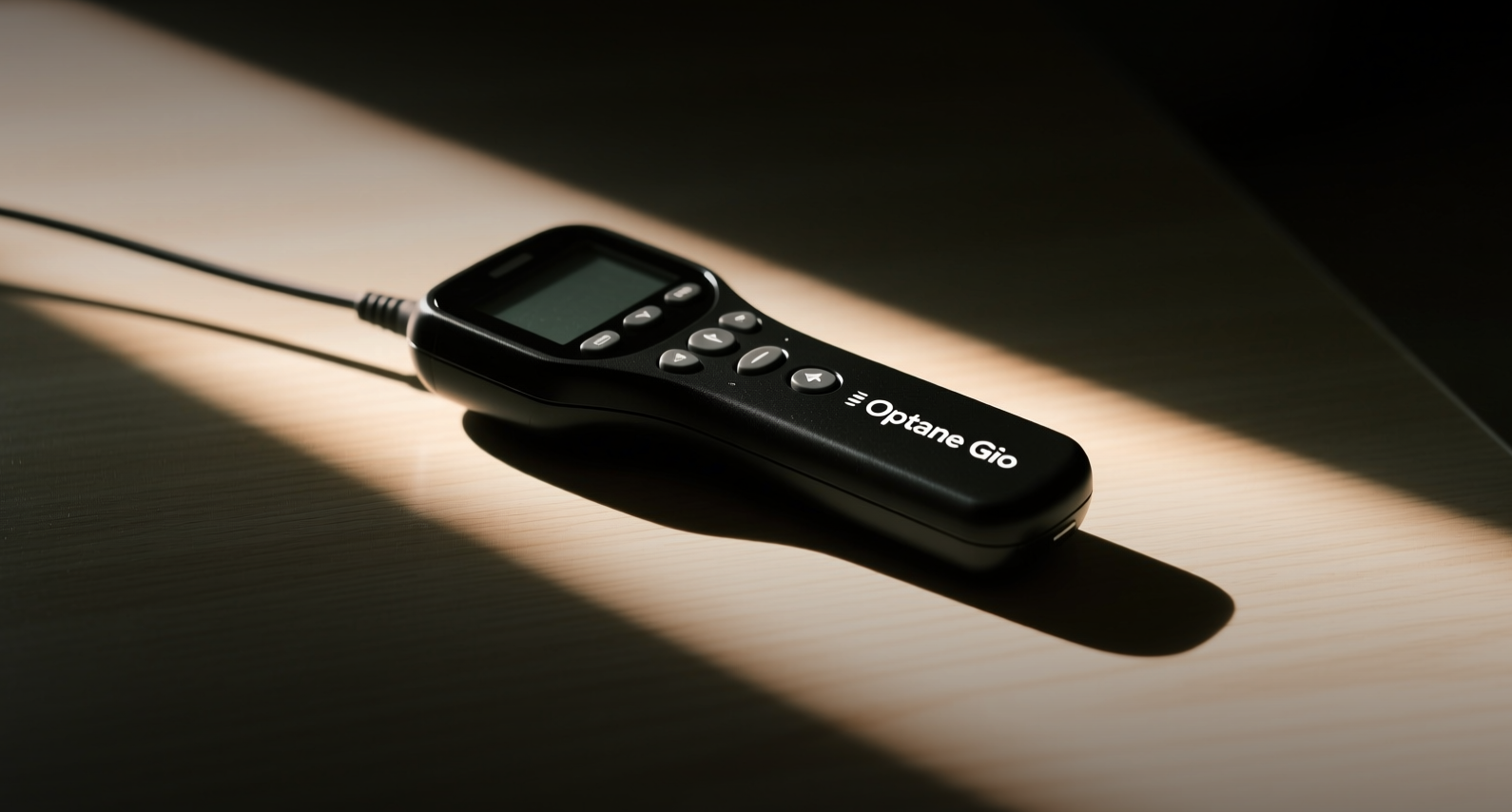
The result is a setback for Novocure's effort to expand the use of its Optune Gio device, already approved for glioblastoma and pancreatic cancer. Shares fell 17.6% to $14.71 in midday trading, erasing roughly $1.2 billion in market value as investors reassess the device's potential in earlier treatment settings.
The TRIDENT trial tested whether starting TTFields therapy during chemoradiation — rather than waiting until the maintenance phase — could extend survival in newly diagnosed glioblastoma, an aggressive brain cancer with a five-year survival rate of about 5% to 7%. One-year survival in the early-start arm reached 70.9%, versus 72.0% in the maintenance arm. At two years, survival was 33.9% compared with 31.6%, and at three years, 22.5% versus 18.4%. None of the differences reached statistical significance.
About 25% of patients across both arms did not initiate the maintenance phase. Baseline characteristics were balanced: 38% had a Karnofsky Performance Score of 70 or 80, 39% had a methylated MGMT promoter, and 5% had IDH-mutant tumors. Surgical resection was gross total in 51% of patients, partial in 37%, and biopsy only in 12%.
The therapy was well tolerated with no new safety signals, Novocure said. Device-related adverse events were consistent with prior studies of TTFields in glioblastoma.
"Although the study did not meet its primary endpoint, it reaffirmed the clinical value of Tumor Treating Fields therapy and demonstrated promising signals that earlier initiation may improve outcomes for selected patients," Wenyin Shi, professor of radiation oncology and co-director of the Jefferson Brain Tumor Center at Thomas Jefferson University, said.
The failure comes four months after the FDA approved Novocure's device — marketed as Optune Pax — for advanced pancreatic cancer in combination with gemcitabine and nab-paclitaxel. That approval had broadened the company's addressable market beyond brain cancer, but the TRIDENT miss raises questions about how much further the technology can penetrate into earlier lines of therapy.
Novocure shares, which had gained about 12% year-to-date before the announcement, now trade at roughly 4.5 times projected 2026 revenue of about $650 million, according to consensus estimates. The company said additional analyses from TRIDENT may inform future treatment approaches for patients with specific characteristics, and results have been accepted for presentation at the ASTRO 2026 annual meeting.
This article is for informational purposes only and does not constitute investment advice.