
Reports of a 14-point de-escalation plan between Washington and Tehran sent crude oil prices tumbling Wednesday, but ongoing military friction in the Strait of Hormuz injects deep uncertainty into the nascent agreement.
Reports of a 14-point de-escalation plan between Washington and Tehran sent crude oil prices tumbling Wednesday, but ongoing military friction in the Strait of Hormuz injects deep uncertainty into the nascent agreement.
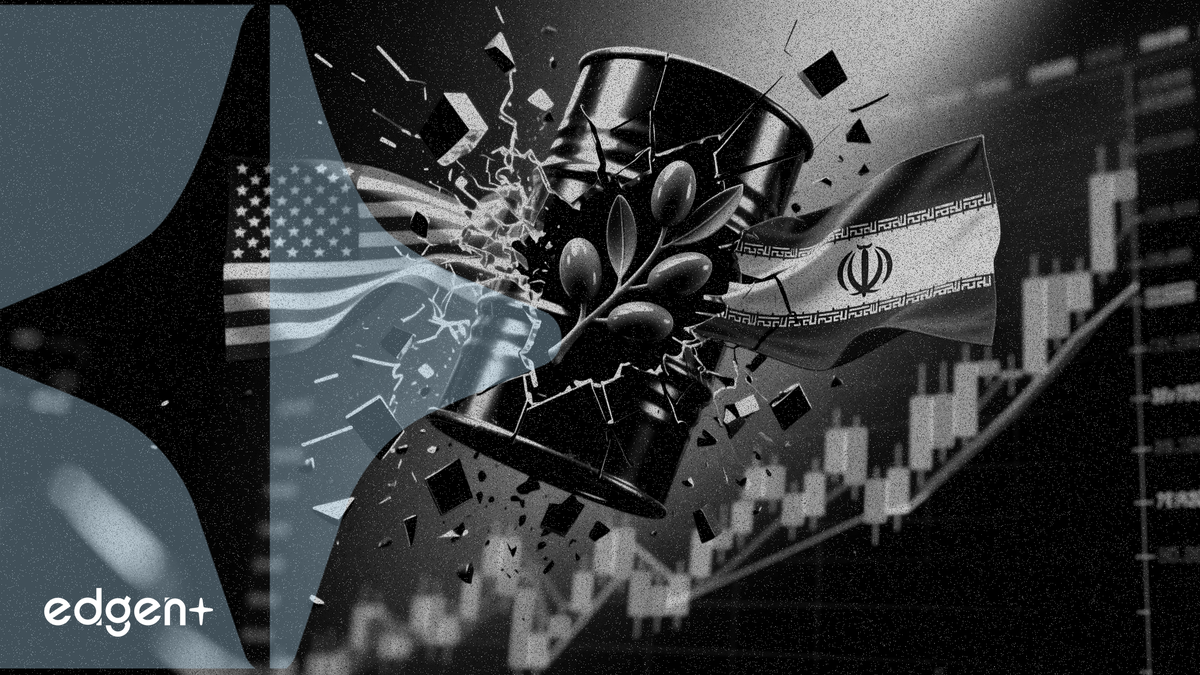
Global oil prices fell sharply Wednesday on reports that the U.S. and Iran are weighing a temporary 14-point agreement to de-escalate a conflict that has throttled one of the world's most critical energy chokepoints. The one-page memorandum, reportedly passed through Pakistani intermediaries, aims to halt hostilities, but its fragility was underscored by fresh U.S. military action in the region.
"We’re dealing with people that want to make a deal very much, and we’ll see whether or not they can make a deal that’s satisfactory to us," President Donald Trump said at the White House. He warned, however, that if Iran refuses, the U.S. would resume bombing at a "much higher level and intensity."
News of a potential truce, which could include a temporary pause on Iranian uranium enrichment and the lifting of some U.S. sanctions, sent global stock markets higher. The core issue remains the blockade of the Strait of Hormuz, where about 20% of the world’s crude oil transits. The stoppage has cost shippers like Hamburg-based Hapag-Lloyd an estimated $60 million a week in additional fuel and insurance costs.
The diplomatic maneuvering is occurring against a backdrop of active military engagement. A U.S. fighter jet fired on an Iranian-flagged oil tanker in the Gulf of Oman on Wednesday as it allegedly tried to breach the American blockade, according to a U.S. Central Command social media post. The attack highlights the extreme risk of miscalculation as negotiators for both sides review the peace proposal.
The complex security landscape also includes continued Israeli military operations. Israeli strikes killed five Palestinians in Gaza on Wednesday, and Israel also struck Beirut’s southern suburbs for the first time since an April 17 ceasefire was announced, targeting a commander in Hezbollah’s Radwan Force, according to a statement from Prime Minister Benjamin Netanyahu’s office.
The proposed 14-point plan to formally end the war is being handled by Pakistan, which has become the primary communication channel between Washington and Tehran. If the initial memorandum is agreed upon, it would reportedly trigger 30 days of more detailed talks, with President Trump's envoy Steve Witkoff and his son-in-law Jared Kushner leading the negotiations.
The diplomatic push extends to Asia, where Iranian Foreign Minister Abbas Araghchi met with officials in Beijing to discuss the Strait of Hormuz and sanctions. The visit comes just before President Trump is scheduled to hold a high-profile summit with Chinese President Xi Jinping. China’s Foreign Ministry affirmed Iran’s “legitimate right to the peaceful use of nuclear energy” while valuing its pledge not to pursue nuclear weapons. Meanwhile, the United Arab Emirates is urging the U.N. Security Council to take action to compel Iran to reopen the strait.
This article is for informational purposes only and does not constitute investment advice.

