
ABD-İran barış görüşmeleri Salı günü çözülme işaretleri gösterdi, ham petrol fiyatlarını yukarı çekti ve benzinin galon başına 4 doların üzerinde kalması tehdidini beraberinde getirdi.
ABD-İran barış görüşmeleri Salı günü çözülme işaretleri gösterdi, ham petrol fiyatlarını yukarı çekti ve benzinin galon başına 4 doların üzerinde kalması tehdidini beraberinde getirdi.
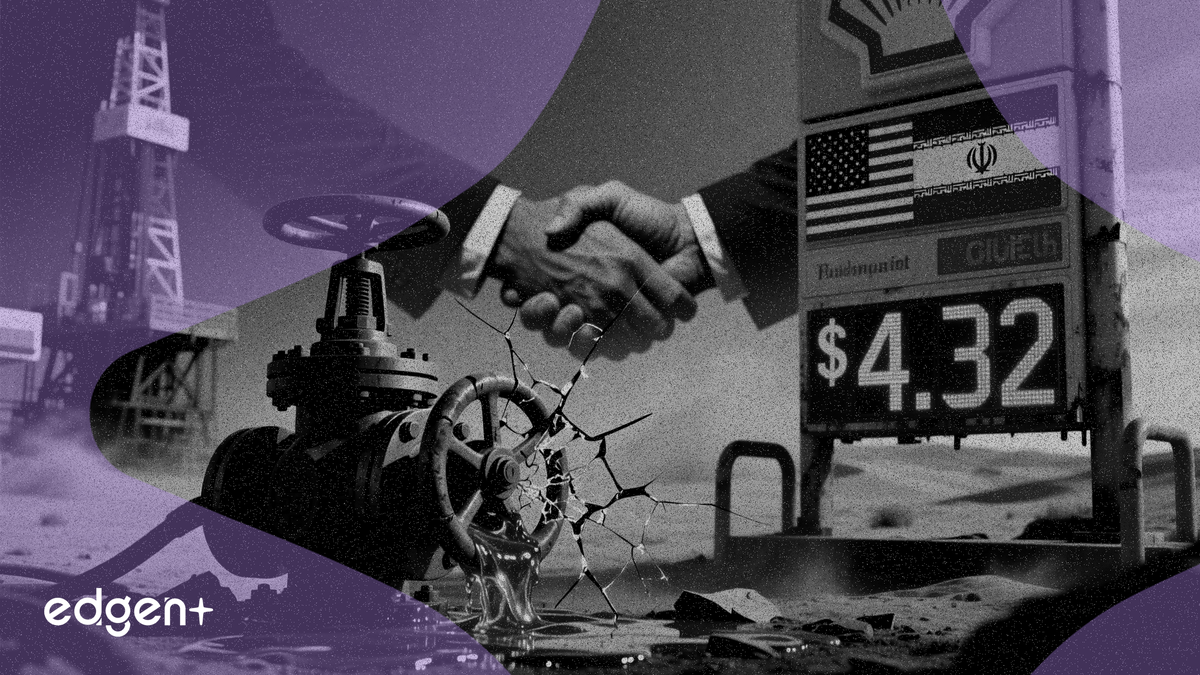
Petrol fiyatları Salı günü, ABD-İran barış görüşmelerinin durma noktasına geldiğine dair işaretlerle yükseldi. Başkan Donald Trump, Tahran'ı Kasım ayındaki ara seçimler öncesinde Beyaz Saray'ı yıpratma umuduyla müzakereleri geciktirmekle suçladı.
"Beni bekleyip geçirebileceklerini düşündüler," dedi Trump, televizyonda yayınlanan bir kabine toplantısı sırasında. "Henüz oraya ulaşamadılar. Bundan memnun değiliz ama olacağız. Ya da işi bitirmek zorunda kalacağız."
Bu açmaz, AAA verilerine göre ABD'de benzin fiyatlarının 1 Haziran'da galon başına ortalama 4,32 dolara ulaştığı bir dönemde yaşanıyor. Cumhuriyetçiler, artan yakıt maliyetlerinin partinin Kongre kontrolünü kaybetmesine yol açabileceğinden endişe ediyor. ABD güçleri Pazartesi günü güney İran'a yönelik savunma amaçlı saldırılar düzenlerken, Tahran Washington'u 7 Nisan'da yürürlüğe giren iki ülke arasındaki kırılgan ateşkesi ihlal etmekle suçladı.
Görüşmelerdeki tıkanma, 28 Şubat'ta başlayan çatışmanın uzamasına yol açarak İran'ın dünya petrol ve doğalgazının beşte birinin geçtiği Hürmüz Boğazı üzerindeki sıkı kontrolünü sürdürmesine ve küresel ham petrol referans fiyatları üzerinde yukarı yönlü baskıyı devam ettirmesine neden oluyor. Boğazda büyük bir arz kesintisi tehdidinin yaşandığı son olayda, 2019 yılında Brent petrol iki hafta içinde yüzde 15'ten fazla sıçramış, ardından istikrara kavuşmuştu.
Nükleer program ve yaptırımlar kilit tartışma noktaları olmaya devam ediyor
Müzakereler iki temel konuda takılıp kaldı: İran'ın nükleer kapasitesi ve Hürmüz Boğazı'nın yeniden açılması. Bölgesel yetkililere ve Associated Press tarafından aktarılan üst düzey bir Trump yönetimi kaynağına göre, olası bir anlaşma Washington'un yaptırım hafifletmesi karşılığında Tahran'ın yüksek oranda zenginleştirilmiş uranyum stokundan vazgeçmesini öngörebilirdi. Trump bu tavizi reddederek, "Herhangi bir yaptırım hafifletmesinden, para vermekten, hiçbir şeyden bahsetmiyoruz," dedi.
ABD Dışişleri Bakanı Marco Rubio Salı günü Kongre'ye yaptığı açıklamada, İran'ın "sadece bir ay önce, sadece bir yıl önce anmayı bile reddettikleri nükleer programlarının bazı yönlerini müzakere etmeyi kabul ettiğini" söyledi. Ancak, "bunun nihayetinde Senato veya Amerikan halkı için kabul edilebilir bir anlaşmaya varılacağına dair bir garanti olmadığı" uyarısında bulundu.
İsrail'in Lübnan harekâtı bir başka katman daha ekliyor
Barış görüşmeleri, İsrail'in Lübnan'da Hizbullah'a karşı askeri harekâtını yoğunlaştırmasıyla ek bir engelle karşılaştı. İran, herhangi bir ateşkesin, Hizbullah'ın en önemli müttefiklerinden biri olduğu Lübnan'ı da kapsaması konusunda ısrarcı. Trump doğrudan müdahale ederek İsrail Başbakanı Binyamin Netanyahu'yu aradı; Axios'un "küfürlü" olarak tanımladığı görüşmede Trump, Beyrut'taki tırmanışın daha geniş kapsamlı ABD-İran müzakerelerini raydan çıkarabileceği uyarısında bulundu.
Trump daha sonra Truth Social'da Lübnan'da kısmi bir ateşkes sağladığını duyurdu; hem Hizbullah hem de İsrail birbirlerine yönelik saldırıları durdurmayı kabul etti. Netanyahu buna meydan okuyan bir tonda yanıt vererek İsrail güçlerinin "güney Lübnan'da planlandığı gibi operasyonlarına devam edeceğini" ve Hizbullah'ın saldırılarını durdurmaması halinde "İsrail'in Beyrut'taki terör hedeflerine saldıracağını" söyledi.
Çatışma, ilgili sağlık bakanlıklarının verilerine göre İran ve Lübnan'da binlerce kişinin ölümüne yol açarken, 13 ABD askeri personeli hayatını kaybetti. Enerji piyasaları için kilit değişken Hürmüz Boğazı olmaya devam ediyor. Trump, su yolunun "herkese açık olacağını" söyledi ve ABD'nin "bunu gözetleyeceğini" belirtti ancak nasıl yapılacağına dair ayrıntı vermedi.
Çatışmanın dördüncü ayına girdiği ve görüşmelerin net bir çözüm yolunun bulunmadığı bu ortamda, yatırımcılar benzin fiyatlarını yüksek tutan ve Kasım ara seçimleri öncesinde daha geniş enflasyonist baskılara yol açma tehdidi taşıyan sürekli bir risk primini fiyatlamaya devam ediyor.
Bu makale yalnızca bilgilendirme amaçlıdır ve yatırım tavsiyesi niteliği taşımamaktadır.
