
Washington'dan gelen çelişkili sinyaller petrol piyasalarına yeni bir volatilite enjekte ederken, yatırımcılar gerilimi azaltıcı söylemler ile agresif deniz eylemlerini tartıyor.
Washington'dan gelen çelişkili sinyaller petrol piyasalarına yeni bir volatilite enjekte ederken, yatırımcılar gerilimi azaltıcı söylemler ile agresif deniz eylemlerini tartıyor.
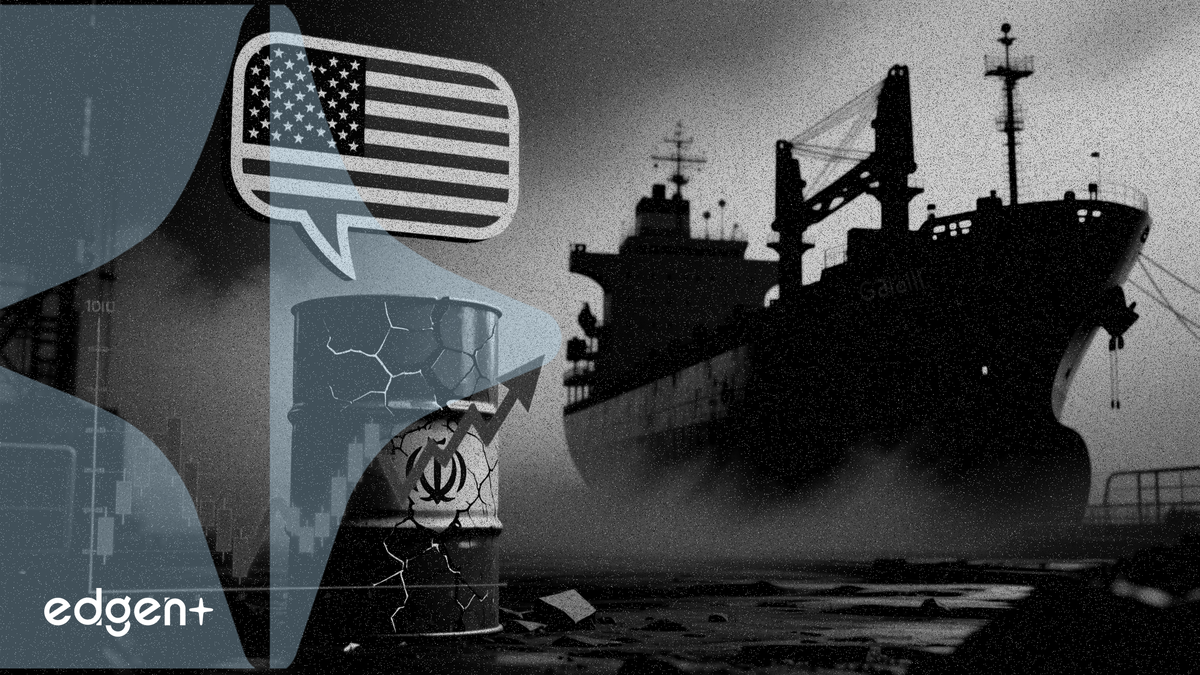
Brent petrol fiyatları, ABD Donanması'nın İran bağlantılı bir petrol tankerine el koymasının kalıcı jeopolitik riskleri vurgulamasına rağmen, eski Başkan Trump'ın İran hakkındaki gerilimi azaltıcı açıklamalarının ardından %1 düşerek varil başına 110,15 dolara geriledi.
MUFG analistleri, "Düşen ABD ham petrol stokları ve devam eden jeopolitik belirsizlik, fiyatları varil başına 100 doların üzerinde tutmaya devam ediyor" dedi.
Ham petrol fiyatlarındaki düşüş, Batı Teksas Tipi (WTI) vadeli işlemlerinin de %1,1 düşüşle varil başına 103,30 dolara gerilediği dalgalı bir seansı takip etti. Bu hareket, sürekli yüksek petrol fiyatlarından dolayı ciddi baskı altında olan bazı gelişmekte olan piyasa para birimlerindeki hafif güçlenme ile paralellik gösterdi.
Bu gelişme, piyasanın jeopolitik riskleri fiyatlandırmadaki mücadelesini, yatırımcıların sakinleştirici sözler ile düşmanca eylemler arasında sıkışıp kalmasını vurguluyor. Olay, küresel petrol tedarik zincirlerinin kırılganlığının ve enerji ithal eden ülkelerin ekonomileri ve para birimleri üzerindeki doğrudan etkisinin altını çiziyor.
Yatırımcılar, Amerika Birleşik Devletleri'nin İran'a yönelik tutumuyla ilgili karışık mesajlarla boğuşuyor. Eski Başkan Trump Salı günü yaptığı açıklamada İran ile olan çatışmanın "çok hızlı" bir şekilde sona ermesini beklediğini belirtti; bu yorum ham petrol vadeli işlemlerinde ani ancak küçük bir satışa neden oldu. Ancak, bu sözlü gerilim düşürme çabası, ABD'nin Hint Okyanusu'nda İran bağlantılı bir petrol tankerine el koymasıyla doğrudan çelişti.
Bu ikili durum önemli bir belirsizlik yaratıyor. ANZ Research'e göre, NATO'nun gemilerin Hürmüz Boğazı'ndan geçişine yardım etmeyi tartıştığına dair haberlerle petrol fiyatları düşerken, varlıklara fiziksel olarak el konulması gerilimin her an arzı bozacak kadar yüksek kalmaya devam ettiğini gösteriyor.
Petrol fiyatlarındaki dalgalanmanın etkisi vadeli işlem piyasasının çok ötesine geçerek, büyük enerji ithalatçıları için önemli bir ekonomik stres yaratıyor. Ham petrolünün %88'inden fazlasını ithal eden Hindistan, buna en iyi örnektir. Hindistan rupisi, bu yıl Asya'nın en kötü performans gösteren para birimlerinden biri haline gelerek ABD doları karşısında 96,47 ile rekor seviyeye geriledi.
The Telegraph India'daki bir analize göre, rupinin 2026'daki %7'lik değer kaybı; yüksek petrol fiyatları, güçlenen dolar ve sermaye çıkışlarının birleşimiyle tetiklendi. Petrol fiyatındaki her artış, Hindistan'ın ithalat faturasını doğrudan kabartıyor, dış ticaret açığını genişletiyor ve para birimi üzerinde aşağı yönlü baskı oluşturuyor. Sadece Nisan ayında, Brent petrol varil başına 110 dolar civarında işlem görürken Hindistan ham petrol ithalatı için 18,7 milyar dolar harcadı. Bu durum, Orta Doğu'daki jeopolitik olayların ticari ortakların daha geniş ekonomilerine doğrudan aktarımını kanıtlıyor.
Bu makale sadece bilgilendirme amaçlıdır ve yatırım tavsiyesi teşkil etmez.
