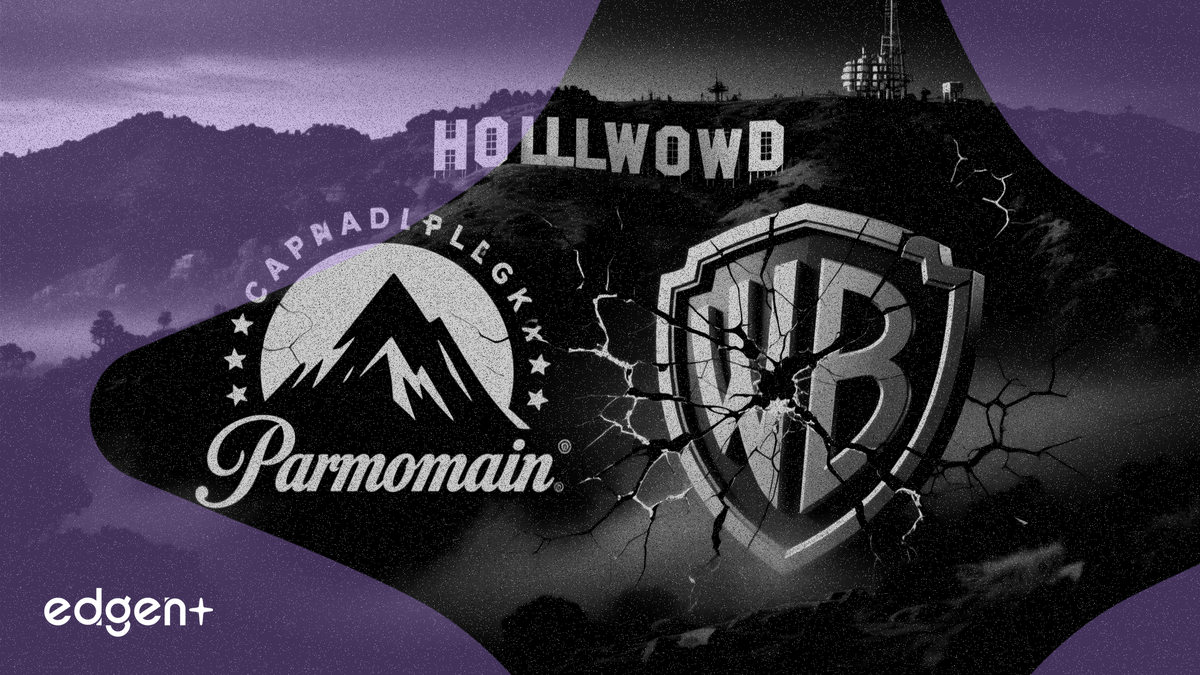
The proposed $110 billion merger of Paramount Skydance and Warner Bros. Discovery is shaping up to be a pivotal battle for the future of entertainment, pitting CEO David Ellison’s vision for a consolidated media giant against a rising tide of industry opposition.
"Don’t trust empty promises from billionaires driven by greed and corrosive ideology," actor Mark Ruffalo said in a videoconference at a Senate Judiciary Subcommittee hearing on the deal. "The merger threatens more than our livelihoods. It threatens one of the world’s most vital industries."
The debt-fueled deal would give Paramount control over a vast portfolio including HBO, CNN, and the Warner Bros. film studio, combining its 5 percent streaming market share with Warner's 13 percent. The move comes after the 2025 merger of Paramount and Skydance resulted in 2,000 layoffs, a pattern critics fear will repeat on a larger scale. While Ellison has promised the combined entity would release at least 30 films per year, Hollywood creatives and unions remain unconvinced.
This potential mega-merger is a significant bellwether for the industry, indicating that collaborations and acquisitions may be necessary for survival in the streaming wars dominated by Netflix, Disney, and Amazon. The deal still requires regulatory and WBD shareholder approval, but its proposal alone has intensified the debate over media consolidation, creative independence, and the economic stability of Hollywood.
Ellison's Vision for a "Tech Hybrid" Giant
By all accounts, David Ellison's vision for the future of his company is clear: transform Paramount into a "tech hybrid" media company. In a 2024 interview, he outlined a plan to build a "studio in the cloud," using artificial intelligence and cloud computing to produce content cheaper and faster. To that end, Paramount agreed to pay Oracle, chaired by his father Larry Ellison, $100 million for cloud infrastructure support in 2025, a deal the company reported would generate over $50 million in annual savings.
Ellison's strategy is a direct response to the "streaming wars" that have seen companies invest heavily to challenge Netflix's dominance. The goal is to become one of the "Big Four" streaming services. "Together, we have the opportunity not only to shape Paramount's future, but also to play a meaningful role in where our industry is headed," Ellison said in a statement. The company is targeting over $2.5 billion in total run-rate efficiencies through the end of 2026.
"A Threat to a Vital Industry"
The proposed acquisition has drawn sharp criticism from over 2,000 Hollywood signatories, including prominent actors and directors. They argue the merger will lead to mass layoffs, suppress competition, and ultimately harm creative diversity. "If Warner merges with Paramount, that combined company would immediately become the largest employer of our members — a media behemoth with tremendous leverage to reduce content, raise prices, increase control of production, and worsen working conditions," Michael Isaac, director of legal services at the Writers Guild of America East, testified at the Senate hearing.
Concerns extend beyond job losses. Critics warn about the potential for increased bias in news channels if both CBS News and CNN fall under a single parent company. The deal would also result in a massive payout for Warner Bros. Discovery CEO David Zaslav, who is set to receive at least $550 million upon the deal's closing, a figure Ruffalo called "obscene."
This article is for informational purposes only and does not constitute investment advice.