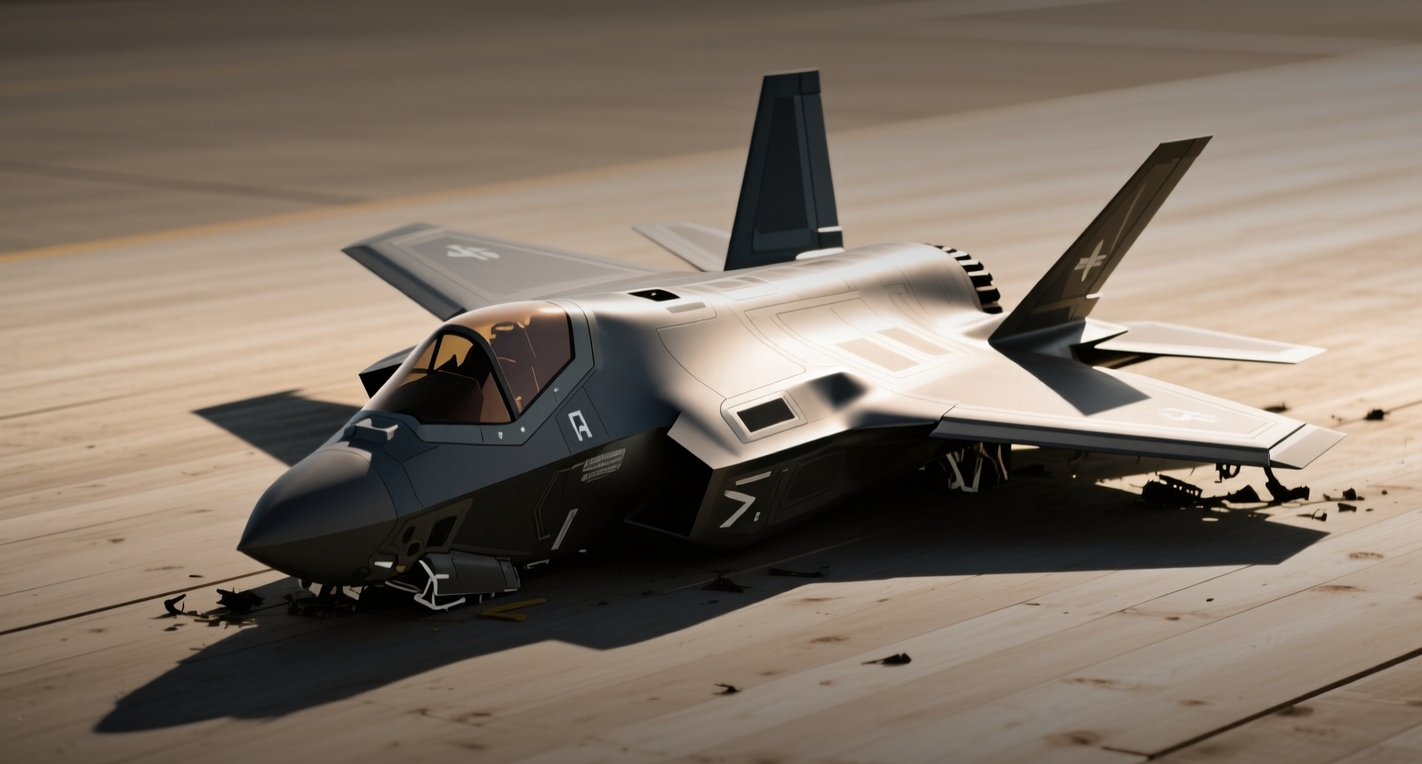
The Pentagon is rushing F-16 and F-35 fighter jets to the Middle East as the United States and Iran enter an eighth consecutive night of strikes, escalating a conflict that has already killed 16 American service members and pushed oil above $88 a barrel.
The deployment includes F-16s from the US Air Force's 480th Fighter Squadron at Spangdahlem Air Base in Germany and F-35 stealth fighters from the 48th Fighter Wing at RAF Lakenheath in Britain, according to Air & Space Forces Magazine and the Wall Street Journal. The aircraft could be used to strike Iranian radar systems and surface-to-air missile batteries, the report said.
"The American partner decided to adjust its force posture in the region, and as part of that move, in coordination with the Israel Defense Forces, it was decided to add more refueling aircraft to the existing force in Israel," the Israeli military said in a statement Saturday, confirming the US is sending additional aerial refueling planes to Israeli air bases.
The escalation follows the death of two US service members in an Iranian attack on Jordan's Muwaffaq Salti Air Base, where a US THAAD missile defense system had previously been damaged in March. A third service member remains missing. The fatalities bring the total US military death toll to 16 since the conflict began Feb. 28, according to the Wall Street Journal.
Oil prices surge as Strait of Hormuz chokepoint tightens
Brent crude crossed $88 a barrel Friday, up about $4 from the prior close and the highest in a month, as the Strait of Hormuz — which handles about 21 percent of global oil trade — effectively became a war zone. Only eight ships transited the strait on Thursday, the lowest in three weeks, according to maritime tracking firm Kpler. Seven of the eight vessels used the Iranian-controlled northern route rather than the US-supported Omani corridor, a sign crews fear being targeted.
The US has bombed at least seven bridges around Bandar Abbas, a key port city used by Iran's Islamic Revolutionary Guard Corps to transport ammunition and supplies across the strait, Axios reported. Washington has also redirected three commercial vessels since reinstating a naval blockade of Iranian ports Tuesday, Central Command said, and disabled one oil tanker.
Iran has retaliated by striking targets across at least seven countries — Jordan, Iraq, Kuwait, Bahrain, Qatar, Saudi Arabia, the UAE and Oman — hitting a water desalination plant in Kuwait and a Kuwait Petroleum Corp. facility. Jasem Mohamed Albudaiwi, secretary general of the Gulf Cooperation Council, called the attacks "war crimes requiring international accountability."
Israel watches from the sidelines, prepares its own target list
Israel has offered to join US strikes but Washington has rejected the proposal, urging restraint, according to Israeli officials. Any Israeli involvement would depend on whether Iran attacks Israeli territory directly — something Tehran has so far avoided, likely because of the risk of triggering a broader Israeli response.
Prime Minister Benjamin Netanyahu warned Iran this week: "Do not count on it being quiet if you attack us. Do not count on a rerun. This will be a different event, much more powerful."
Israeli officials said the military has prepared its own list of potential infrastructure targets in Iran, including energy facilities and railway networks, and described what they called "surprises" for Tehran if the confrontation expands. The last time Israel conducted direct strikes on Iranian territory was in April, following an Iranian missile barrage, when Israeli jets hit military installations near Isfahan and Natanz.
Iranian Supreme Leader Mojtaba Khamenei accused Washington of violating the ceasefire agreement, calling President Trump's signature "utterly worthless and devoid of credibility." Iran has suspended its commitments under the interim memorandum of understanding signed in mid-June, which had briefly calmed the Strait of Hormuz and sent oil prices below $72 a barrel.
The State Department issued a worldwide security alert Saturday, urging Americans to "exercise increased caution" globally, citing concerns that Iran-aligned groups could target US interests and citizens overseas. The department warned of potential flight cancellations and periodic airspace closures.
This article is for informational purposes only and does not constitute investment advice.