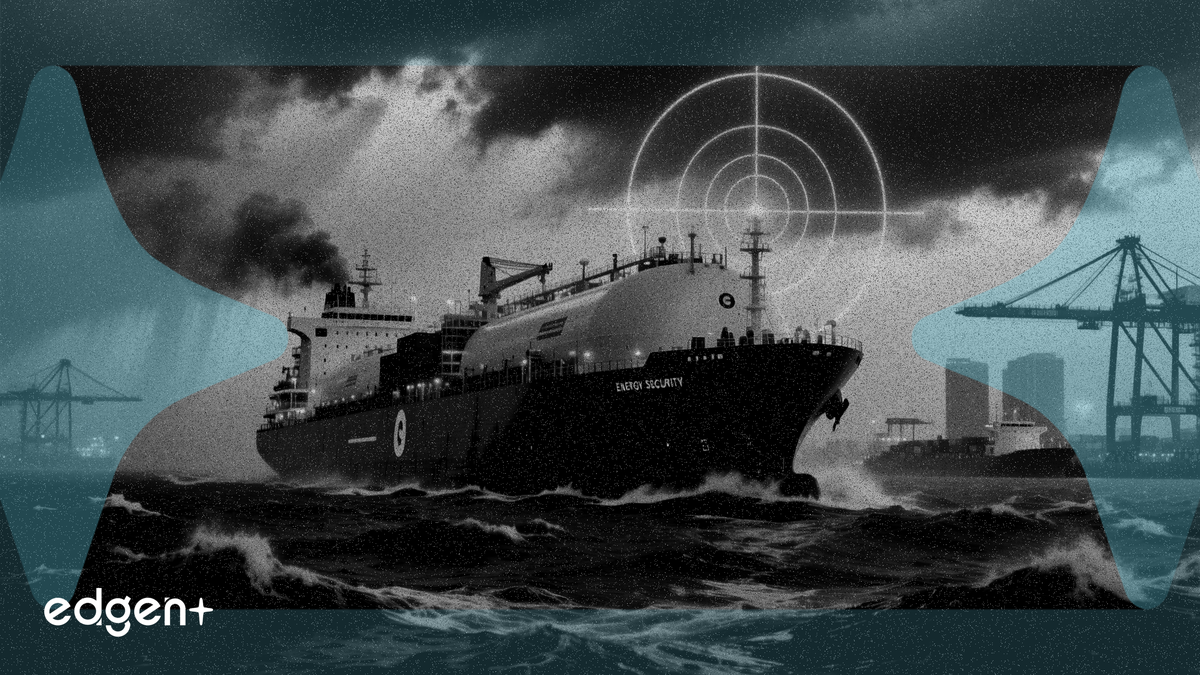
(P1) Singapore's state-run GasCo has secured two additional liquefied natural gas cargoes for delivery in 2026, a direct response to heightened supply risks and price volatility stemming from the U.S.-Israel war on Iran.
(P2) "This is a prudent but necessary move to buffer Singapore's energy reserves in a market facing its most significant geopolitical test in years," said Wei Xiong, a senior energy analyst at S&P Global Platts. "The risk of disruptions to LNG flows from the Middle East is now a primary concern for all major Asian importers."
(P3) The conflict has already sent ripples through energy markets, with the Japan-Korea Marker (JKM), the benchmark for spot LNG in Asia, seeing increased volatility. While the source material does not specify the price, similar strategic purchases by other state-backed buyers have been executed at a premium to prevailing spot prices to ensure security of supply. The move by GasCo reflects a broader trend of import-dependent nations re-evaluating their energy procurement strategies.
(P4) The core issue for Singapore is its near-total reliance on imported natural gas for electricity generation. A sustained disruption or a sharp, prolonged spike in LNG prices could have significant economic consequences, potentially raising electricity costs for consumers and industries and impacting the nation's competitiveness. GasCo's plan to seek long-term supply deals later this year, despite the volatile market, underscores a strategic pivot from spot market reliance towards greater long-term stability.
The decision to lock in these cargoes comes as the conflict threatens the Strait of Hormuz, a critical chokepoint for global LNG shipments. Any disruption to the approximately 20% of global LNG that transits the strait could lead to a rapid surge in prices, echoing the market turmoil seen after the 2022 invasion of Ukraine. For a nation like Singapore, which has built its economic success on stability and long-term planning, the current geopolitical climate represents a direct threat to its energy security framework.
GasCo's proactive procurement is a clear signal that the government is not willing to leave its energy supply to the whims of a volatile spot market. Securing these two cargoes provides an immediate buffer, but the more significant development is the stated intention to pursue long-term contracts. These contracts, typically spanning 10 to 20 years, provide price stability and guaranteed supply, insulating the buyer from the dramatic price swings of the spot market. However, negotiating favorable terms in a high-risk environment will be challenging and could lock in higher-than-average costs for years to come.
This strategic shift aligns with actions taken by other major Asian LNG importers, including Japan and South Korea, who have also been active in the long-term contract market over the past year. The collective move by these economic powerhouses to de-risk their energy imports is likely to further segment the global LNG market, creating a wider gap between the prices available under long-term agreements and the potentially explosive prices on the spot market during periods of crisis. The success of GasCo's upcoming negotiations will be a key determinant of Singapore's energy costs and economic resilience for the next decade.
This article is for informational purposes only and does not constitute investment advice.