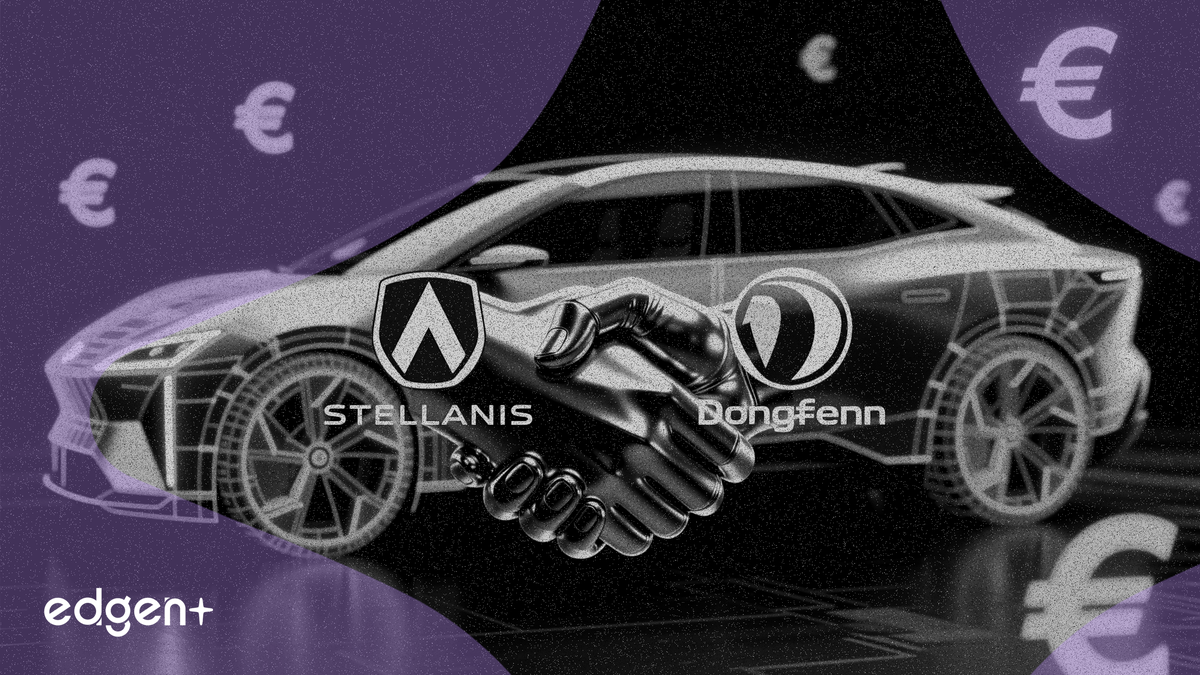
Stellantis NV và đối tác Dongfeng Group sẽ đầu tư hơn 1 tỷ Euro để chế tạo xe điện Peugeot và Jeep tại Trung Quốc cho cả doanh số trong nước và toàn cầu, làm sâu sắc thêm mối quan hệ đối tác kéo dài ba thập kỷ và sử dụng quốc gia này như một trung tâm xuất khẩu then chốt.
"Với bề dày thành tích hơn 30 năm cộng tác và chia sẻ chuyên môn về ô tô, Stellantis và Dongfeng sẵn sàng tận dụng hơn nữa thế mạnh của mình và giới thiệu các dòng xe hoàn toàn mới với công nghệ xe điện tiên tiến nhất," Antonio Filosa, CEO của Stellantis, cho biết trong một tuyên bố đưa ra vào ngày 15 tháng 5 năm 2026.
Thỏa thuận phác thảo một khoản đầu tư kết hợp hơn 8 tỷ Nhân dân tệ (khoảng 1 tỷ Euro), với việc Stellantis đóng góp khoảng 130 triệu Euro. Thỏa thuận này sẽ chứng kiến liên doanh Dongfeng Peugeot Citroën Automobile (DPCA) sản xuất bốn mẫu xe thuần điện mới tại nhà máy ở Vũ Hán, bắt đầu từ năm 2027. Kế hoạch bao gồm hai mẫu Peugeot mới và hai mẫu xe địa hình Jeep mới, tất cả đều dựa trên các nền tảng xe điện mới.
Động thái này báo hiệu một sự chuyển dịch chiến lược đối với các hãng xe phương Tây, những đơn vị đang ngày càng tận dụng các mối quan hệ đối tác tại Trung Quốc để phát triển và xuất khẩu xe điện trên toàn cầu. Điều này cho phép họ khai thác chuỗi cung ứng xe điện tiên tiến và quy mô sản xuất của Trung Quốc để chế tạo các mẫu xe điện cạnh tranh hơn, một chiến lược cũng đang được Ford tìm hiểu với đối tác Trung Quốc Geely.
Đặt cược vào Trung Quốc như một trung tâm xuất khẩu
Theo các điều khoản của thỏa thuận hợp tác chiến lược mới, các phương tiện được sản xuất tại Vũ Hán được dự định rõ ràng cho cả thị trường Trung Quốc và xuất khẩu sang các thị trường quốc tế. Điều này đánh dấu một sự mở rộng đáng kể so với mục đích ban đầu của liên doanh, định vị nó như một phần quan trọng trong chiến lược xe điện toàn cầu của Stellantis.
Quyết định chế tạo và xuất khẩu từ Trung Quốc đưa ra khi các hãng xe truyền thống khác đang đánh giá lại các hoạt động tại Trung Quốc của họ. Trong khi một số nhà phân tích lo ngại về rủi ro dài hạn của việc tạo điều kiện cho các đối thủ Trung Quốc, Stellantis đang đặt cược rằng họ có thể sử dụng mối quan hệ đối tác để tạo lợi thế cho mình. Thỏa thuận này cung cấp cho liên doanh Leapmotor của họ một lối vào dễ dàng vào thị trường châu Âu, cho phép hãng tránh được các mức thuế nhập khẩu tốn kém bằng cách chế tạo xe tại địa phương.
Sự chuyển dịch rộng lớn hơn của ngành
Thỏa thuận Stellantis-Dongfeng là một phần của xu hướng rộng lớn hơn trong ngành. Đối mặt với các nhà máy không hoạt động hết công suất tại châu Âu và sự cạnh tranh gay gắt trong không gian xe điện, các hãng xe lâu đời đang chuyển hướng sang các mối quan hệ đối tác với các công ty Trung Quốc. Tuy nhiên, không phải tất cả các thương hiệu Trung Quốc đều cởi mở với việc hợp tác. BYD, nhà sản xuất xe điện hàng đầu của đất nước, đã tuyên bố rằng họ muốn tự vận hành các nhà máy của riêng mình và không tìm kiếm các mối quan hệ đối tác sản xuất với các thương hiệu phương Tây.
"Bằng cách tích hợp các thế mạnh công nghiệp của Hồ Bắc, lợi thế bố trí toàn cầu của Stellantis và các công nghệ xe điện thông minh của Dongfeng, một con đường mới với các thế mạnh bổ trợ và kết quả đôi bên cùng có lợi cho tất cả các bên đã được tạo ra," Qing YANG, Chủ tịch Dongfeng Group cho biết. Dự án vẫn còn phụ thuộc vào việc thực hiện các thỏa thuận triển khai và các phê duyệt quản lý.
Các con số thống kê
- 1 tỷ Euro: Tổng vốn đầu tư xấp xỉ cho dự án (8 tỷ Nhân dân tệ).
- 130 triệu Euro: Đóng góp trực tiếp dự kiến của Stellantis vào khoản đầu tư.
- 34 năm: Chiều dài của mối quan hệ đối tác lịch sử giữa Stellantis và Dongfeng Group.
- 4: Số lượng mẫu xe thuần điện mới sẽ được sản xuất (hai Peugeot, hai Jeep).
- 2027: Năm dự kiến bắt đầu sản xuất các phương tiện mới tại nhà máy Vũ Hán.
Bài viết này chỉ nhằm mục đích cung cấp thông tin và không cấu thành lời khuyên đầu tư.