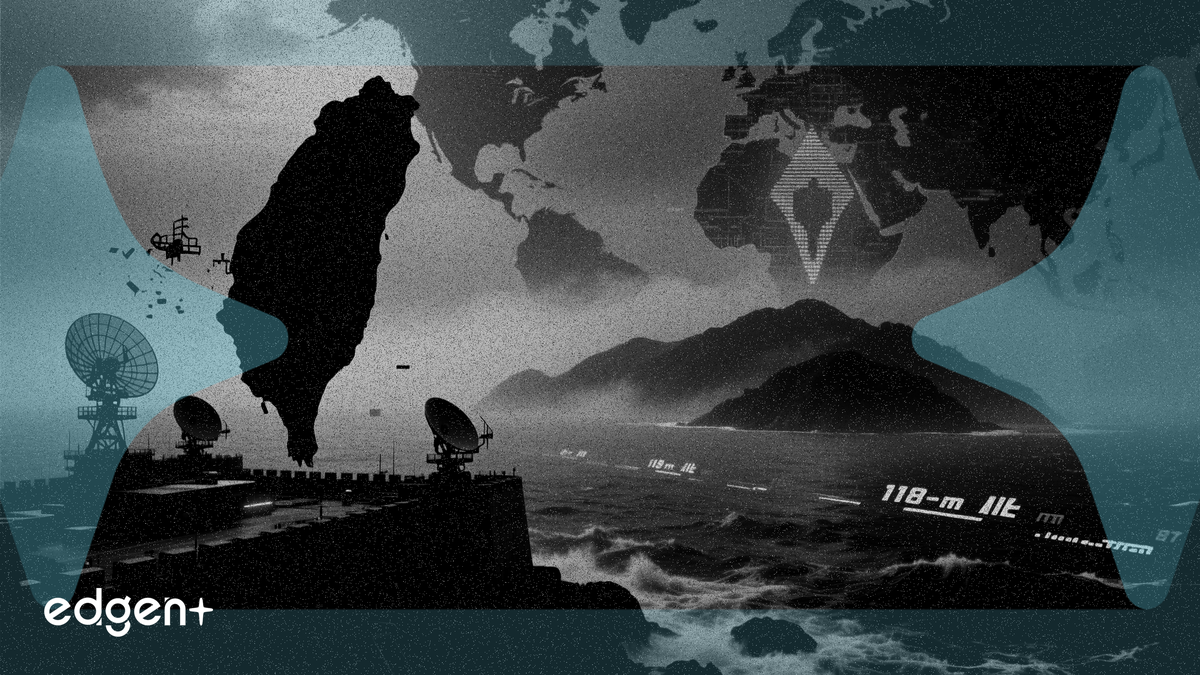
Tayvan'ın Sahil Güvenliğini ön saflarda askeri bir role kaydırması, kendisini ana karadan ayıran 118 mil genişliğindeki boğazda yeni ve tehlikeli bir aşamaya işaret ediyor.
Tayvan, Sahil Güvenliğinin rolünü, Çin'den ayıran 118 mil genişliğindeki boğazda bir ilk askeri savunma hattı olarak hizmet edecek şekilde temelden değiştirdi. Bu, Pekin'in dünyanın en kritik nakliye yollarından birini jeopolitik bir barut fıçısına dönüştüren yoğunlaşan "gri bölge" saldırganlığına doğrudan bir yanıttır.
Bir devriye görevinin içinden hazırlanan Wall Street Journal raporunda ayrıntıları verilen bu dönüşüm, Taipei'nin artık deniz hukuku yaptırımını, potansiyel bir Çin ablukasına karşı koymaya kıyasla ikincil bir işlev olarak gördüğünü gösteriyor.
Çin ve Tayvan gemileri arasındaki karşılaşmalar artık günlük bir olay haline geldi; Pekin, toprak iddialarını savunmak ve Tayvan'ın savunmasını yıpratmak için deniz devriyelerinden tarama operasyonlarına kadar bir dizi taktik uyguluyor. Küresel ticaret için hayati önem taşıyan bir su yolunda sürekli baskı uygulanıyor.
Tehlikede olan, küresel ekonomiye güç veren gelişmiş yarı iletkenler başta olmak üzere küresel tedarik zincirlerinin istikrarıdır. Tayvan Boğazı'nın herhangi bir şekilde aksaması veya kapatılması, teknoloji hisselerinde önemli bir dalgalanmayı tetikleyebilir ve bölgesel ile küresel yatırımlar için riskten kaçınma ortamı yaratarak enflasyonu yükseltebilir.
Baskı Altında Bir Boğaz
Çin'in Tayvan Boğazı'ndaki stratejisi açık bir savaş eylemi değil, geleneksel bir askeri çatışma eşiğinin altında faaliyet gösteren kalıcı bir sindirme kampanyasıdır. Bu "gri bölge" taktikleri, Tayvan'ın bir zamanlar sivil odaklı olan Sahil Güvenliğini sürekli bir yüksek alarm durumuna zorluyor. Sahil güvenlik gemileri, donanma gemileri ve askerileştirilmiş balıkçı filoları da dahil olmak üzere çok sayıda Çin gemisi, yanlış hesaplama riskinin tehlikeli derecede yüksek olduğu kalabalık ve gergin bir ortam yaratıyor. Tayvan'ın bu stratejik değişimi, ada demokrasisinin denizden başlayabilecek potansiyel bir çatışmaya hazırlanması gerektiğine dair kesin bir kabulü yansıtıyor.
Küresel Ekonomik Sarsıntılar
Tayvan Boğazı'ndaki durum, halihazırda jeopolitik şoklara duyarlı olan küresel piyasalarda endişe dalgaları yaratıyor. Gerilimler, çatışmaların daha önce küresel enerji piyasalarını bozduğu ve uluslararası ittifakları zorladığı Hürmüz Boğazı gibi diğer stratejik darboğazlarla benzerlik gösteriyor. Son ABD-Çin zirvesine ilişkin bir Wall Street Journal analizi, İran ile savaşın Amerikan gücünün sınırlarını ortaya çıkardığını ve Çin'in uluslararası konumunu güçlendirdiğini belirtti.
Bağlam farklı olsa da, potansiyel ekonomik yansımalar benzerdir. Yükselen petrol fiyatları, nakliyedeki aksamalar ve geniş kapsamlı enflasyonist baskılar, bu tür çatışmaların bilinen sonuçlarıdır. Wall Street, Orta Doğu gerilimleri ve kalıcı enflasyon raporlarıyla piyasaların düşmesiyle bu faktörlere olan duyarlılığını zaten gösterdi. Tayvan Boğazı'ndaki bir kriz, Tayvan'ın yarı iletken endüstrisindeki merkezi rolü göz önüne alındığında, teknoloji ve imalat sektörleri üzerinde daha doğrudan ve şiddetli bir etkiye sahip olacaktır.
Uzun Vadeli Oyun
Tayvan üzerindeki artan baskı, Amerika Birleşik Devletleri ve Çin arasındaki daha geniş jeopolitik rekabetin bir parçasıdır. Wall Street Journal ve The Guardian tarafından alıntılanan analistler, Pekin'in Asya'daki ABD nüfuzunu kademeli olarak yerinden etmeyi amaçlayan uzun vadeli bir oyun oynadığını öne sürüyor. Çin, Washington'un yönetmesi gereken bir kriz yaratarak Amerika'nın kararlılığını ve müttefiklerine olan bağlılığını test ediyor.
Pekin'in hesapları Washington'unkinden farklıdır. ABD gerilimi düşürmeye ve statükoyu korumaya çalışırken, Çin mevcut gerilimi gücünü savunmak ve kendisini baskın bölgesel oyuncu olarak sunmak için bir fırsat olarak görebilir. Çin'in Rusya ve İran'a verdiği iddia edilen destekle birleşen bu stratejik güvensizlik dinamiği, Tayvan Boğazı'ndaki açmaz için karmaşık ve istikrarsız bir zemin oluşturuyor. Dünya, diplomasinin küresel ekonomik ve siyasi düzeni yeniden şekillendirme potansiyeline sahip bir durumu yatıştırıp yatıştıramayacağını görmek için izliyor.
Bu makale sadece bilgilendirme amaçlıdır ve yatırım tavsiyesi teşkil etmez.