
La descripción del expresidente Trump de un paquete de armas para Taiwán de $14 mil millones como una "moneda de cambio" con China inyecta una nueva incertidumbre en las relaciones entre Estados Unidos y Taiwán.
La descripción del expresidente Trump de un paquete de armas para Taiwán de $14 mil millones como una "moneda de cambio" con China inyecta una nueva incertidumbre en las relaciones entre Estados Unidos y Taiwán.
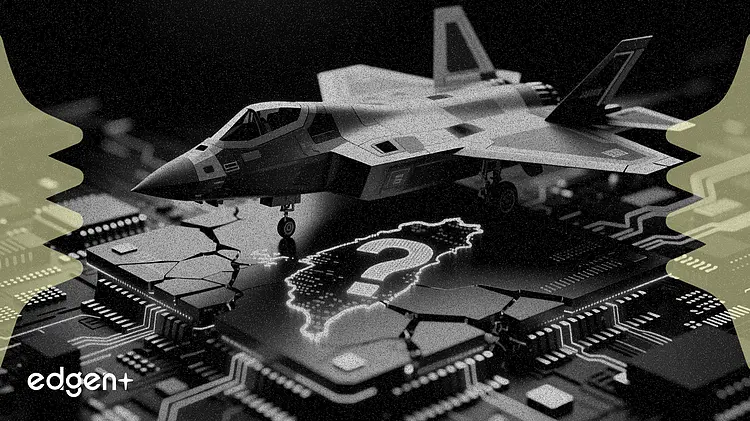
La caracterización hecha por el expresidente Donald Trump de una venta de armas a Taiwán por valor de $14 mil millones como una "moneda de cambio" con Beijing ha desatado una nueva incertidumbre sobre la política estadounidense, lo que provocó una firme reprimenda de Taipéi. Los comentarios, emitidos tras su cumbre con el líder chino Xi Jinping, han convertido al paquete de armas pendiente en una prueba de fuego del apoyo de su administración a la democracia autónoma.
"El futuro de Taiwán no puede ser decidido por fuerzas extranjeras", dijo el presidente de Taiwán, Lai Ching-te, en un discurso con motivo del aniversario de su toma de posesión. "El futuro de Taiwán solo puede ser decidido por los 23 millones de habitantes de Taiwán".
Los comentarios de Trump arrojan dudas sobre el futuro del paquete de armas pendiente, que sigue a un acuerdo separado de $11.1 mil millones aprobado en diciembre. La incertidumbre podría aumentar las primas de riesgo para los activos vinculados a la estabilidad geopolítica asiática, particularmente en el sector de los semiconductores, donde Taiwán es un actor fundamental.
Lo que está en juego es la credibilidad de los compromisos de seguridad de EE. UU. en Asia y el delicado equilibrio de poder en el estrecho de Taiwán. "Si el presidente no procede con la venta de armas a Taiwán, pondrá en peligro las relaciones entre EE. UU. y Taiwán y debilitará la credibilidad de EE. UU. a nivel mundial", dijo el contraalmirante retirado de la Marina Mark Montgomery, investigador principal de la Foundation for Defense of Democracies.
Los comentarios de Trump podrían envalentonar a China, que considera a Taiwán como un territorio soberano que debe ser unificado por la fuerza si es necesario, para aumentar su presión sobre la isla. "La apertura pública de Trump a negociar con Beijing sobre la postura de Estados Unidos respecto a Taiwán servirá como el equivalente diplomático de un matador agitando una bandera roja frente a un toro", escribió Ryan Hass, director del centro de China de la Brookings Institution.
En respuesta a los comentarios, el presidente Lai declaró que le diría a Trump que las compras continuas de armas estadounidenses son esenciales para mantener la paz. El ejército de Taiwán está ampliamente superado por el de China, y su doctrina de defensa se basa en una "estrategia de erosión" para disuadir una invasión, resistiendo lo suficiente para una posible intervención de EE. UU. Esta estrategia depende en gran medida del acceso a suministros militares avanzados de EE. UU.
La situación pone bajo un nuevo escrutinio la política de larga data de "ambigüedad estratégica" de EE. UU. (no aclarar deliberadamente si defendería a Taiwán de un ataque chino). Si bien Trump dijo a los reporteros que mantuvo esta postura en su conversación con Xi, su descripción del acuerdo de armas como una herramienta de negociación sugiere un cambio potencial de una posición de décadas de que Washington no consultaría con Beijing sobre tales ventas.
El portavoz de la Oficina de Asuntos de Taiwán de China, Chen Binhua, denunció el discurso de Lai, acusándolo de insistir obstinadamente en la independencia de Taiwán y llamándolo "destructor de la paz a través del estrecho". Por su parte, Beijing se ha negado a entablar relaciones con la administración de Lai y ha realizado ejercicios militares a gran escala para presionar a la isla.
Este artículo es solo para fines informativos y no constituye asesoramiento de inversión.
