
Key Takeaways: Three tanker incidents off Oman in as many days are tightening the risk premium on Strait of Hormuz shipping, even as Washington and Tehran open a diplomatic window.
Key Takeaways: Three tanker incidents off Oman in as many days are tightening the risk premium on Strait of Hormuz shipping, even as Washington and Tehran open a diplomatic window.
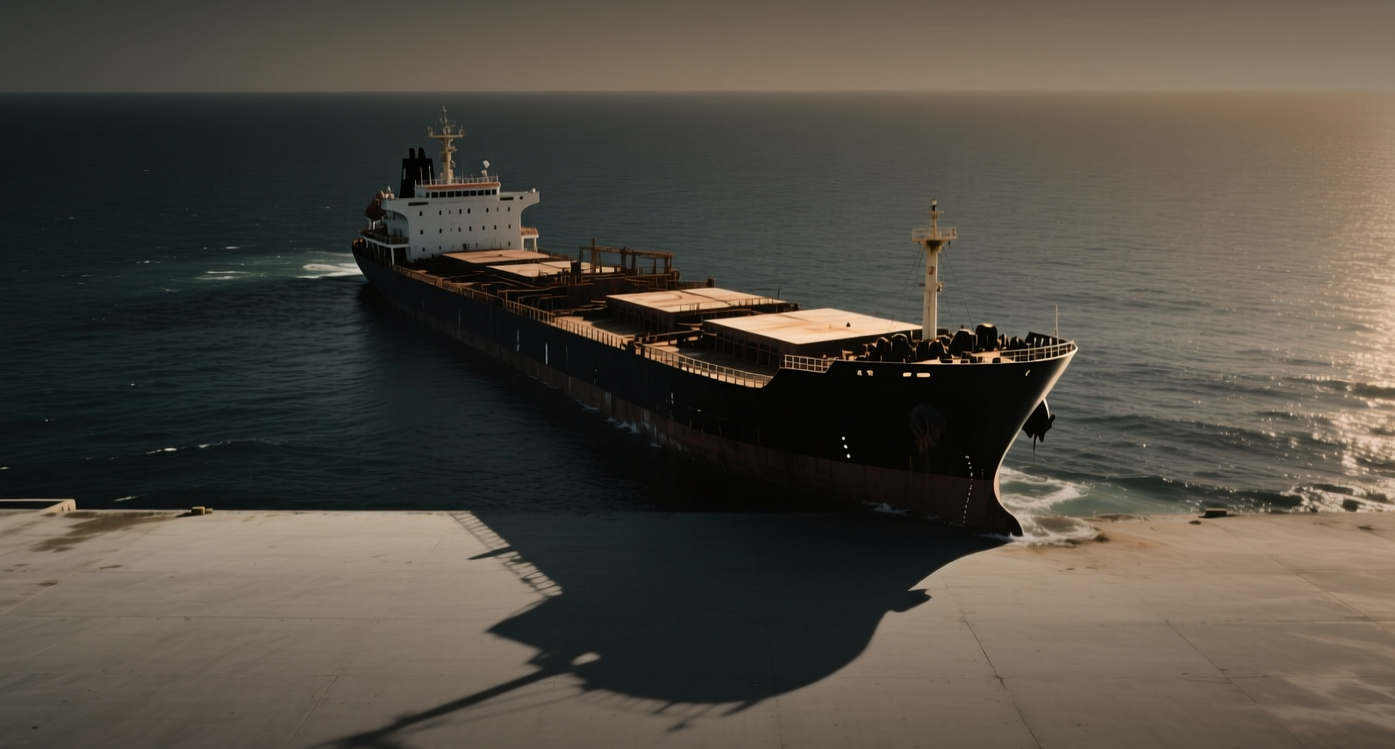
Three tanker incidents off Oman in as many days have tightened the risk premium on Strait of Hormuz shipping, with commodity vessel transits through the chokepoint halving to 10 on Saturday, Kpler data show.
"We are now going to reach an understanding on a route acceptable to both sides, neither the northern route nor the southern route, but one that respects the sovereign rights of both sides and safeguards our national interests and security," Esmaeil Baqaei, spokesman for Iran's foreign ministry, told state television.
The UK Maritime Trade Operations said the latest incident occurred roughly 20 nautical miles northeast of Khasab, where a tanker master reported hearing an explosion close to the vessel; the crew and ship were unharmed. It followed two earlier incidents since Saturday, including a tanker struck by an unidentified projectile about 11 nautical miles northeast of Lima that damaged its engine room and left the vessel not under command. Kpler data show only 10 commodity vessels transited the Strait of Hormuz on Saturday, down from 19 on Friday, while traffic through the Bab al-Mandab Strait at the southern end of the Red Sea fell to 18 ships on Sunday from 27 on Saturday.
The incidents sit at the core of a broader standoff over the waterway, which normally carries about one-fifth of global oil consumption. Iran shut the passage after hostilities erupted Feb. 28, demanding oversight and transit tolls that Washington rejects, and President Donald Trump has made the "Immediate, Complete and Total OPENING OF THE HORMUZ STRAIT" a condition of any deal.
The diplomatic track accelerated over the weekend. Iranian Foreign Minister Abbas Araghchi told the Cabinet that negotiations with Oman on managing the strait were "in their final stages," while Baqaei stressed that any agreement with Muscat would not automatically translate into a full reopening of the waterway. The comments came hours after Trump said he had canceled a planned "massive attack" on Iran, citing requests from Tehran and other Middle Eastern countries, and confirmed that negotiations expected to run through intermediaries would begin Monday afternoon.
The last time shipping through the strait faced a comparable squeeze was after the Iran-aligned Houthi movement declared a maritime embargo against Saudi Arabia on July 20, broadening its campaign during the wider conflict. Two tankers carrying Saudi crude — the Malta-flagged Lesvos with about 1 million barrels and the very large crude carrier Desh Vaibhav with about 2 million barrels — still crossed the Bab al-Mandab over the weekend with their Automatic Identification Systems switched off, according to Kpler.
Trump said the parameters of a potential agreement had been established, though Iranian media disputed assertions that Tehran had solicited a pause in American military action. He framed the deferral as a choice between diplomacy and force, telling reporters on Air Force One that "we are ready to go whenever we want" while expressing a preference for a deal that would "save a lot of lives."
The stakes for energy markets are direct. With the strait handling roughly one-fifth of global oil consumption, any sustained disruption to transit would feed directly into crude prices and shipping costs, even as the diplomatic window keeps the risk premium from fully repricing. The sharp drop in vessel movements is a leading indicator that shipowners are reassessing security risks, a dynamic that typically pushes freight rates higher and widens war-risk insurance premiums on tankers plying the Gulf. If talks collapse, the resumption of strikes on Iranian energy infrastructure — which Trump had threatened and which put American diplomatic missions across the Middle East on high alert — would likely tighten the waterway further and push crude higher.
This article is for informational purposes only and does not constitute investment advice.
