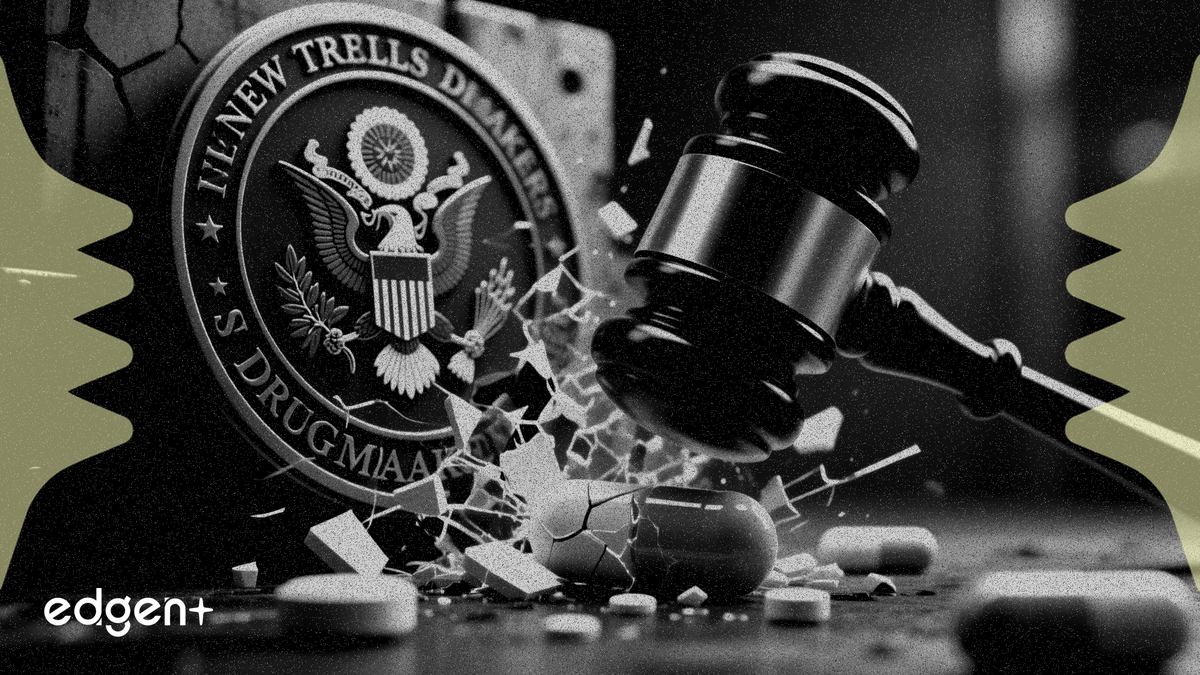
The Trump administration is set to announce tariffs as soon as Thursday on drugmakers that have not struck deals guaranteeing low prices in the U.S., a move that threatens to escalate trade tensions and directly impact pharmaceutical sector profits. The plan, first reported by Bloomberg News on April 1, 2026, citing people familiar with the matter, marks a significant escalation in the administration's campaign to lower domestic drug costs.
"The administration has been signaling for months that it would take action if negotiations stalled," said a healthcare policy analyst at a major investment bank. "This indicates their patience has run out, and they are willing to use trade policy as a lever to force price concessions."
The report immediately sent ripples through after-hours trading, with the Health Care Select Sector SPDR Fund (XLV) falling 0.8%. The iShares Biotechnology ETF (IBB) also saw a decline of 1.2%, suggesting broad investor concern. While specific tariff rates and a list of targeted companies were not yet disclosed, the move introduces a new layer of regulatory risk for an industry already grappling with patent cliffs and intense political scrutiny over pricing.
This policy shift is a high-stakes gamble to force drugmakers' hands on pricing, a core issue for the administration. The potential for retaliatory measures and supply chain disruptions adds a layer of economic uncertainty. The last major tariff escalation in a different sector saw the affected industry's index fall over 15% in the subsequent two months, highlighting the potential downside for pharmaceutical investors if a broader trade conflict erupts.
A New Front in the Trade War
The administration's strategy appears to be a direct challenge to the pharmaceutical industry's pricing power. For years, U.S. drug prices have been significantly higher than in other developed countries, a point of contention for both political parties. By threatening tariffs, the White House is attempting to unilaterally enforce a form of price control, tying market access to domestic price guarantees.
This approach is a departure from previous strategies that focused on negotiation and legislative reform. The use of tariffs as a tool for healthcare policy is unprecedented and carries significant risks. Pharmaceutical supply chains are globally integrated, with many active pharmaceutical ingredients (APIs) and finished drugs manufactured abroad. Tariffs could disrupt these supply chains, potentially leading to shortages of critical medicines or increased costs for manufacturers, which may then be passed on to consumers.
Market Impact and Sector Outlook
The immediate market reaction indicates a bearish sentiment for the pharmaceutical sector. The potential for lower profit margins and stock price declines for the targeted drugmakers is high. The lack of specifics on which companies or countries will be targeted creates broad uncertainty, which could weigh on the entire sector until more details are released.
Investors will be closely watching for the official announcement, expected as soon as Thursday. The scope of the tariffs—whether they are narrowly targeted at specific companies and products or applied more broadly—will be critical in determining the overall market impact. A narrow, targeted approach might cause acute pain for a few firms, while a broad-based tariff could trigger a significant sell-off across the healthcare and biotech sectors. The next 48 hours will be crucial in shaping the market's direction.
This article is for informational purposes only and does not constitute investment advice.