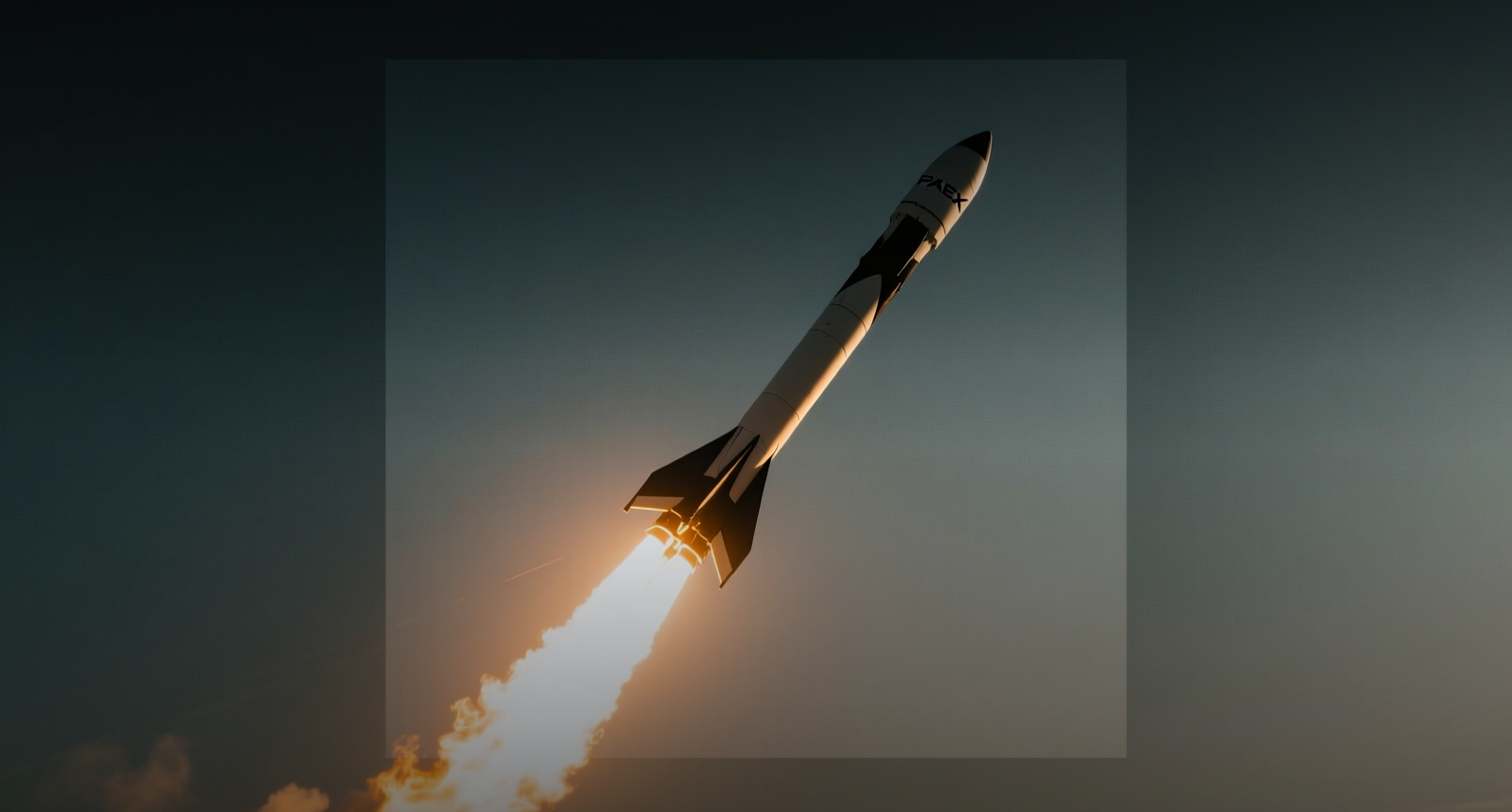
The Trump administration moved to exempt commercial space launches from federal environmental reviews, a policy shift that could cut months off licensing timelines for rocket companies.
The Trump administration on Tuesday proposed exempting commercial rocket launches and reentries from federal environmental impact reviews, a move that could slash licensing timelines for companies including SpaceX and Rocket Lab USA Inc. The Federal Aviation Administration said the rule change would waive requirements under the National Environmental Policy Act for launch and reentry licenses, responding to industry complaints that wildlife and habitat studies routinely delay approvals by 12 to 18 months.
"The current regulatory framework creates overlapping reviews that slow down an industry growing faster than the government can process permits," said a senior FAA official familiar with the proposal, speaking on condition of anonymity because the rule has not been published in the Federal Register. The agency processed 148 commercial space launches in 2025, up from 31 in 2020, according to FAA data, and officials project the pace could exceed 200 annually by 2028 without regulatory bottlenecks.
The proposed rule would apply to all commercial launch and reentry license applications, covering companies such as SpaceX, Rocket Lab, Blue Origin and United Launch Alliance. Environmental assessments currently required under NEPA can take 12 to 18 months to complete, industry officials say, adding significant costs and uncertainty to launch schedules. The FAA estimates the change would reduce average licensing time by at least six months for standard operations, though the agency did not provide a specific dollar figure for industry savings.
The policy shift is the latest in a series of Trump administration moves to deregulate fast-growing industries tied to national security and technology leadership. Earlier this month, the Environmental Protection Agency exempted power plants serving data centers from Clean Air Act acid rain rules, citing the need to maintain U.S. dominance in artificial intelligence. The space sector has attracted record capital inflows in 2026, with investors pouring more than $12 billion into launch providers and satellite infrastructure companies through the first half of the year, according to Space Capital data. Critics argue the environmental exemptions bypass safeguards designed to protect wildlife habitats near launch sites, particularly in coastal areas of Florida, California and Texas where rocket activity has surged.
This article is for informational purposes only and does not constitute investment advice.