
President Donald Trump has offered Tehran a conditional off-ramp to end the nine-week-old conflict, tying the cessation of military operations to Iran’s reopening of the Strait of Hormuz.
President Donald Trump has offered Tehran a conditional off-ramp to end the nine-week-old conflict, tying the cessation of military operations to Iran’s reopening of the Strait of Hormuz.
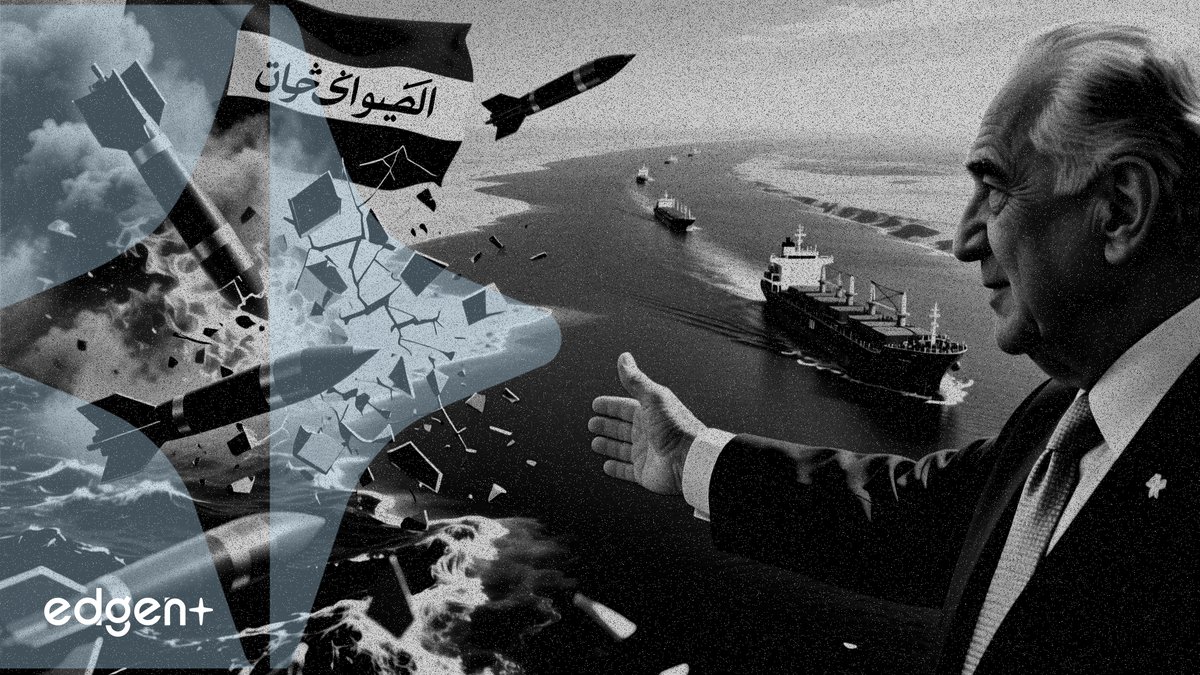
The offer, disclosed on social media on May 6, places the fate of the strategic waterway at the center of de-escalation talks and warns that "bombing will resume" at a "higher intensity" if the terms are not met. The move comes just days before a critical summit between President Xi Jinping and Trump, where the war and its economic fallout are high on the agenda.
"The international community shares a common concern for the restoration of normal and safe passage of the strait,” Chinese Foreign Minister Wang Yi told Iranian envoy Abbas Araghchi in Beijing this week, according to an official statement. China, a key buyer of Iranian oil, is stepping up its diplomatic coordination ahead of the Xi-Trump summit.
The closure of the strait, a chokepoint for roughly a third of the world’s seaborne oil, has roiled global markets since the conflict began. Brent crude futures have surged over 20%, and shipping insurance premiums have skyrocketed, adding to global inflationary pressures that have seen gas prices climb in the US and more severely in other import-dependent nations.
Trump's proposal now forces a decision: Tehran can accept the terms, potentially easing the global energy crisis and bringing oil prices down, or reject them, risking a renewed and intensified military campaign with unpredictable consequences for the global economy.
The crisis has exposed a critical vulnerability in the global energy system. The Strait of Hormuz has long been a structural weakness, but the recent conflict has transformed theoretical risk into tangible economic disruption. "This isn’t just a long-term idea anymore," said Rich Goldberg of the Foundation for Defense of Democracies. "There is a real threat to the Strait of Hormuz that isn’t going away so long as the regime in Tehran remains."
The sentiment was echoed by Secretary of State Marco Rubio, who warned of a "new normal" where rogue states control international shipping lanes. "If Iran had a nuclear weapon... we wouldn’t be able to do anything about it," Rubio said at a press briefing, arguing the current situation would be far worse if Iran were nuclear-armed, even as he acknowledged Tehran is currently doing "whatever the hell they want" with the strait.
The disruption is accelerating a push for alternative routes that bypass Hormuz. A US-backed proposal for a pipeline consortium known as "ARAM Express" envisions a network of overland pipelines to the Red Sea, Mediterranean, and Arabian Sea. "European buyers are desperate for long-term supply resilience, and Asian customers are equally exposed," Goldberg noted.
Saudi Arabia is best positioned, having already invested in its East-West pipeline to the Red Sea port of Yanbu. "Saudi Arabia has treated the Strait of Hormuz risk with planning, not panic," said Saudi geopolitical analyst Salman Al-Ansari. The United Arab Emirates has also developed an alternative pipeline to Fujairah. However, other Gulf producers like Kuwait and Qatar remain heavily exposed, lacking meaningful alternatives to maritime exports through the strait.
As diplomatic efforts intensify, with Iran's envoy visiting both Moscow and Beijing, the world is watching to see if Trump's high-stakes offer provides a path to reopening the world's most critical energy artery or serves as a final warning before a more severe escalation.
This article is for informational purposes only and does not constitute investment advice.

