
A potential US-Iran deal to end their 67-day conflict would require Tehran to ship its highly enriched uranium to the United States, President Donald Trump said Wednesday.
A potential US-Iran deal to end their 67-day conflict would require Tehran to ship its highly enriched uranium to the United States, President Donald Trump said Wednesday.
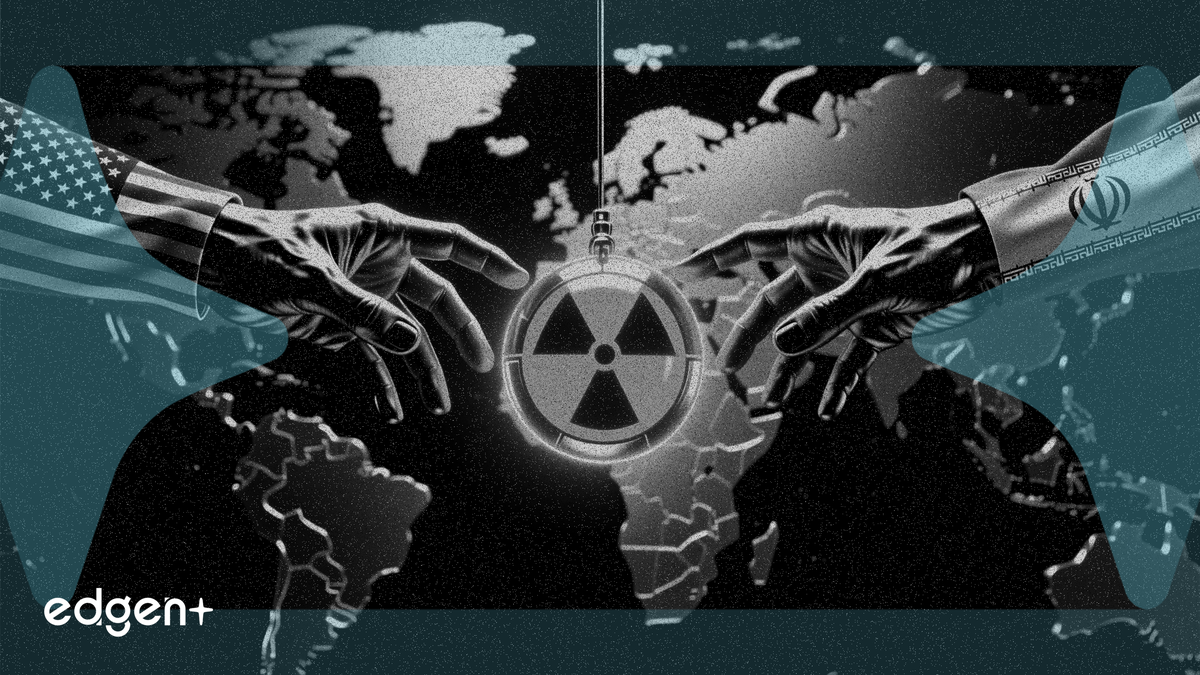
A potential US-Iran deal to end their 67-day conflict would require Tehran to ship its highly enriched uranium to the United States and halt its underground nuclear activities, President Donald Trump said, as global oil prices plunged more than 10% on signs of a breakthrough.
"Yes, not 'perhaps,' it will be shipped to the United States," Trump stated in response to a question about the uranium transfer. He added that Iran would also commit to not operating underground nuclear facilities "for a considerable period of time."
The comments add specifics to a flurry of diplomatic activity, with Pakistani-led mediation reportedly producing a 14-point memorandum of understanding to formally end the war. News of the potential agreement sent benchmark Brent crude futures tumbling below $100 a barrel for the first time in two weeks, settling near $98 before slightly recovering.
A deal would mark a significant de-escalation after more than two months of conflict that choked global shipping through the Strait of Hormuz, a waterway handling about 20% of world oil consumption. The war began on Feb. 28, and a fragile ceasefire has been in place since April 8, though it has been tested by repeated clashes.
The prospect of Iranian supply returning to the market and the reopening of the Strait of Hormuz triggered a sharp sell-off in energy markets. Brent crude fell around 11% to approximately $98 a barrel, according to Reuters, after Trump announced a pause in "Project Freedom," a two-day-old US naval mission to escort ships through the strait.
"We will close this very soon. We are getting close," a Pakistani source familiar with the mediation efforts told reporters. The proposed one-page memorandum would reportedly start a 30-day window for detailed negotiations on lifting US sanctions, unfreezing billions in Iranian assets, and establishing long-term curbs on Iran's nuclear program.
The movement toward a deal has been met with a mix of official optimism and skepticism. Pakistan Prime Minister Shehbaz Sharif praised Trump's "courageous leadership," while Iranian academic Seyed Mohammad Marandi, who was involved in early talks, dismissed reports of a draft memorandum as "a tool for White House market manipulation."
Despite the diplomatic progress, significant obstacles remain. The proposed memorandum does not appear to address key US demands, such as curbs on Iran's ballistic missile program or its support for regional proxies. Furthermore, it is unclear how the deal would handle Iran's existing stockpile of uranium enriched to near weapons-grade.
Israeli Prime Minister Benjamin Netanyahu said he and Trump agree that the "key goal" is the complete removal of all enriched uranium from Iran and the full dismantlement of its enrichment capabilities. In contrast, Iranian Foreign Minister Abbas Araghchi, visiting Beijing, stated Tehran would only accept "a fair and comprehensive agreement."
Hardliners in both Washington and Tehran could also scuttle any potential pact. Secretary of State Marco Rubio has previously referred to Iran's leadership as "insane in the brain," while Iranian lawmaker Ebrahim Rezaei called the reported deal points an "American wish list." The success of the current negotiations hinges on bridging these deep-seated divides and verifying that both sides adhere to the terms of any preliminary agreement.
This article is for informational purposes only and does not constitute investment advice.

