


Trump turned the NATO spending fight into a $3 billion win for US defense contractors, securing deals for Lockheed Martin, RTX, Boeing and Anduril to expand missile production across Europe.
Trump turned the NATO spending fight into a $3 billion win for US defense contractors, securing deals for Lockheed Martin, RTX, Boeing and Anduril to expand missile production across Europe.
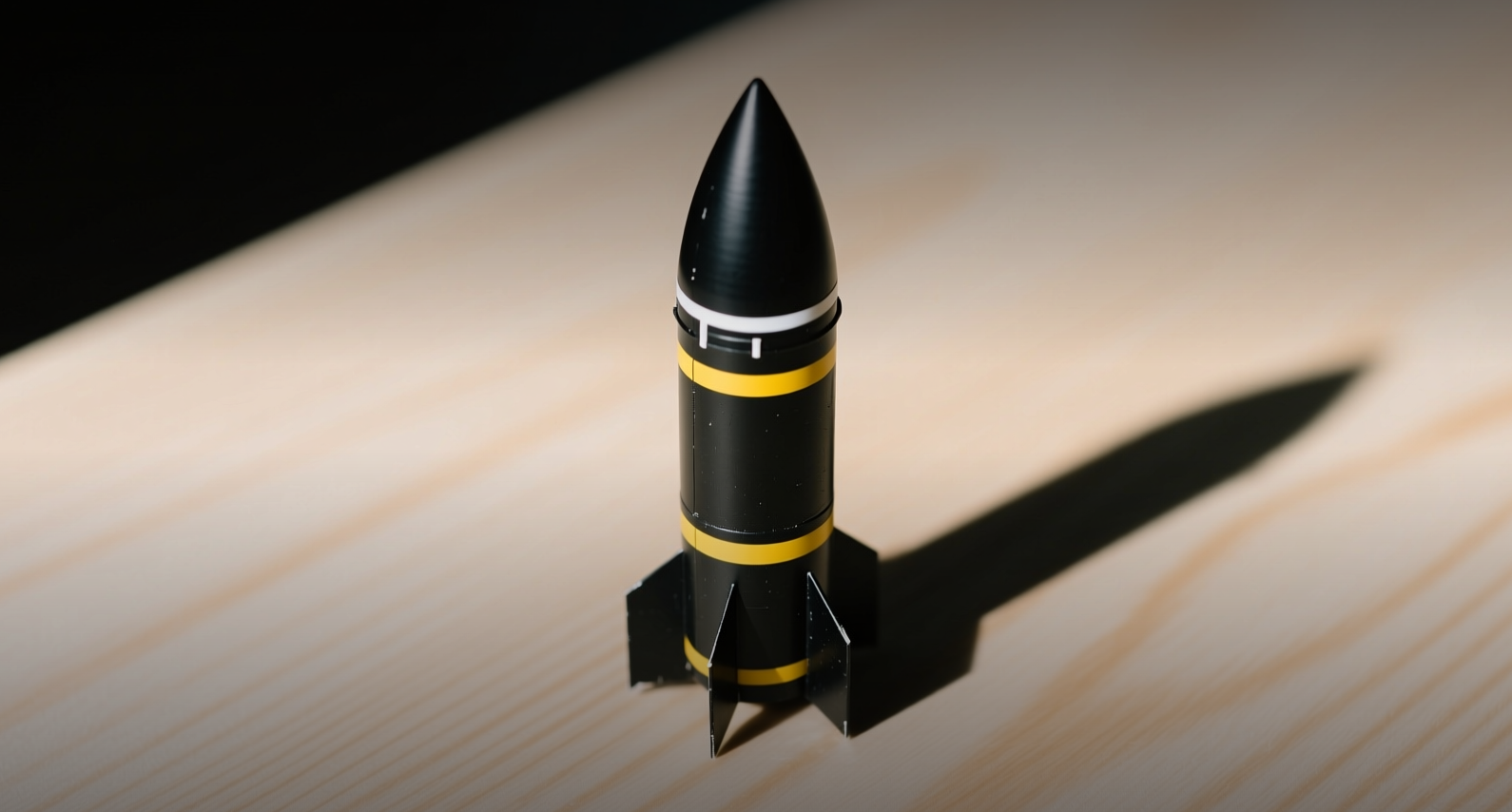
President Trump secured $3 billion in defense contracts at the NATO summit in Ankara, locking in deals for four US companies to expand missile production across Europe while simultaneously threatening to cut trade with Spain over its refusal to meet the alliance's new spending target.
"These contracts represent a significant step in strengthening NATO's deterrence capabilities," a senior US administration official said on condition of anonymity, as the deals were not yet publicly announced. "The expansion of missile production capacity across Europe will benefit both alliance readiness and American manufacturing."
The contracts were awarded to Lockheed Martin Corp., RTX Corp., Boeing Co. and Anduril Industries, a privately held defense technology company. The $3 billion package focuses on ramping up production of missile systems at facilities across multiple European nations, though specific country allocations and delivery timelines were not disclosed.
The defense deals came as Trump escalated his long-running campaign against NATO allies he considers insufficient on defense spending. The president singled out Spain, calling it "a wasted cause" after the country refused to commit to the alliance's new benchmark calling on members to invest 5 percent of gross domestic product in defense. Trump told Treasury Secretary Scott Bessent to halt commerce with Spain, according to Reuters, though trade continued normally after a similar threat in March.
The Spain trade threat
The two countries traded roughly $47 billion in goods in 2025, including about $26 billion in US exports to Spain and $21 billion in imports from Spain, according to US Census Bureau data. Any attempt to single out Spain would face legal hurdles, as the European Union negotiates trade policy as a bloc rather than through separate bilateral deals with individual member states.
Spain was the only NATO member to publicly reject the full 5 percent target, instead seeking flexibility in how it meets the alliance's capability goals. The pushback follows months of tension between Washington and Madrid over Iran. Spain refused to allow US use of the jointly operated Rota and Moron bases for offensive operations against Iran, saying the strikes lacked international legal backing.
Defense sector implications
The $3 billion in contracts will likely boost order backlogs for the four US defense contractors. Lockheed Martin, the world's largest defense company by revenue, and RTX, the parent of Raytheon, are the two biggest beneficiaries given their established missile production infrastructure in Europe. Boeing's defense unit and Anduril, which has rapidly expanded its footprint in the defense technology space, round out the awardees.
The last major US defense contract expansion in Europe came in 2023, when the Pentagon awarded $1.2 billion in contracts to replenish weapons stocks sent to Ukraine. The current $3 billion package is more than double that amount, reflecting the alliance's shift toward sustained higher defense spending after Russia's invasion of Ukraine in 2022.
NATO's push for members to spend 5 percent of GDP on defense, up from the current 2 percent guideline, would represent a historic increase in alliance-wide military expenditure. If adopted by all members, the new target would add roughly $400 billion annually to NATO defense budgets based on current GDP levels, creating a sustained pipeline of contracts for US and European defense manufacturers.
This article is for informational purposes only and does not constitute investment advice.
