
Zirve, Başkan Trump'ın gümrük vergisi odaklı dış politikasının temellerini sarsan yasal zorluklar arasında gerçekleşirken, ticaret stratejisinde potansiyel bir eksen değişikliğini zorunlu kılıyor.
Zirve, Başkan Trump'ın gümrük vergisi odaklı dış politikasının temellerini sarsan yasal zorluklar arasında gerçekleşirken, ticaret stratejisinde potansiyel bir eksen değişikliğini zorunlu kılıyor.
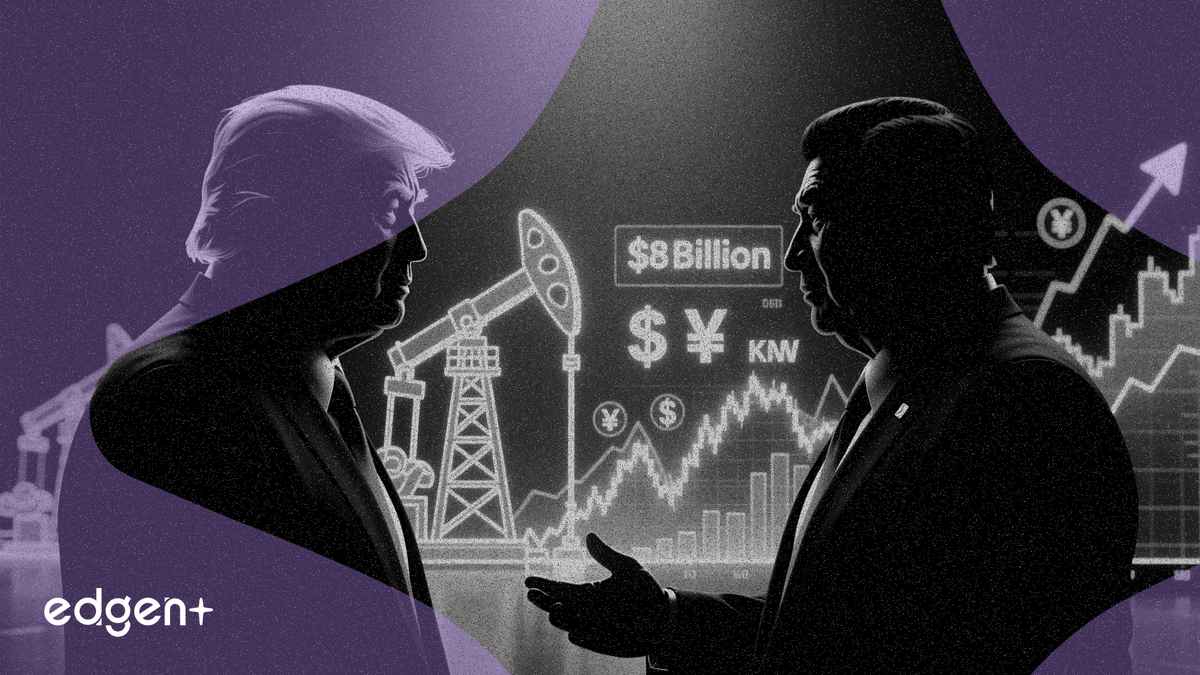
Başkan Donald Trump, bu hafta Pekin'de Çin Devlet Başkanı Şi Cinping ile bir araya gelecek. Görüşme, yönetimin birincil ekonomik kozunun yurt içindeki yasal yenilgiler ve İran'daki savaşın yurt dışındaki jeopolitik baskılarıyla zayıfladığı bir dönemde gerçekleşiyor.
14-15 Mayıs tarihlerinde yapılması planlanan iki günlük zirve, federal mahkemelerin Trump'ın ticaret gündemini yürütmek için kullandığı kapsamlı gümrük vergilerine karşı giderek daha fazla karar verdiği bir döneme denk geliyor. Independent Institute kıdemli araştırmacısı Phillip Magness, "Bölüm 301 vergileri, uygulanmadan önce daha zahmetli bir inceleme süreci gerektiriyor," diyerek yönetimin daha önce neden diğer statüleri tercih ettiğine dikkat çekti.
Masada olan ise, Çin'in 2024 yılında 8,4 milyar dolar değerinde ABD petrolü ve sıvılaştırılmış doğal gaz (LNG) ithal ettiği, ancak misilleme vergileri altında bu rakamın neredeyse sıfıra düştüğü bir ticaret ilişkisi. Çin, 2025 yılında ABD LNG'sine yüzde 25 ve ham petrole yüzde 20 gümrük vergisi uygulayarak ticareti fiilen durdurdu.
Yatırımcılar için toplantının sonucu, gelecekteki milyarlarca dolarlık enerji satışının uygulanabilirliğini belirleyebilir ve Beyaz Saray'ın artan yasal ve usul engelleriyle karşı karşıya olan vergi stratejisine devam edip etmeyeceğinin sinyalini verebilir. Bir anlaşmaya varılamaması, yönetimin ABD ticaret yasasının daha kısıtlayıcı olan Bölüm 301'ine yönelmesine neden olabilir ve bu da muhtemelen yeni bir mahkeme davaları dalgasını tetikleyecektir.
Trump ve Şi arasındaki bir anlaşma, bir zamanlar gelişen enerji ticaretini canlandırabilir. Çin'in ABD petrolü ithalatı, Faz 1 ticaret anlaşmasının ardından 2020'de günde yaklaşık 395.000 varille zirveye ulaşmış ancak Mayıs 2025'ten bu yana tamamen durmuştu. Benzer şekilde, ABD'nin Çin'e LNG satışları 8,98 milyon metrik tonluk zirveden 2025'te sadece 26.000 tona geriledi.
Analistler, Pekin'in yüzde 25'lik vergiyi kaldırması durumunda ABD LNG'sinin Asya spot kargolarından daha ucuz olacağını tahmin ediyor, ancak Çin'deki durgun iç talep artış potansiyelini sınırlayabilir. Rystad Energy, bu yıl Çinli alıcılara teslim edilmek üzere yaklaşık 12 milyon ton ABD LNG'sinin sözleşmeye bağlandığını, ancak bu kargoların yüksek ithalat vergilerinden kaçınmak için Avrupa'ya yeniden satıldığını tahmin ediyor.
Diğer enerji ürünleri daha dirençli çıktı. ABD, Çin'in tek etan tedarikçisi ve en büyük propan tedarikçisi olmaya devam ediyor; 2025 ihracatı sırasıyla 2,96 milyar dolar ve 6,6 milyar doların üzerinde gerçekleşti. Bu sevkiyatlar ticaret savaşına rağmen devam etti ve Pekin, arzı güvence altına almak için bazı misilleme vergilerinden bile feragat etti.
Zirvenin arka planında dramatik bir şekilde değişmiş bir jeopolitik ve yasal manzara var. Başkan Trump, 1974 Ticaret Yasası'nın 122. Bölümü'ne dayanan vergi stratejisinin yasal temeli yargı denetimi altında erirken Pekin'e varıyor. Costco Wholesale Corp.'tan Ford Motor Co.'ya kadar yüzlerce şirket, mahkemede vergileri sorguladı.
Bu durum yönetimi, analistlerin daha karmaşık ve yasal olarak daha külfetli olduğu konusunda uyardığı aynı yasanın Bölüm 301'ini kullanmayı düşünmeye zorladı. Magness, "Trump Bölüm 301'in dilini de zorlamaya çalışacaktır; bu durumda muhtemelen bazı zayıf Bölüm 301 bulgularına karşı mahkeme davaları açılacaktır," dedi.
Sorunu derinleştiren ise Çin'in Orta Doğu'daki en önemli müttefiklerinden biri olan İran ile devam eden çatışma. Savaş, ABD askeri kaynaklarını Asya'dan uzaklaştırdı ve mühimmat stoklarını tüketti; bu da bazı Çinli analistlerin Washington'un olası bir bölgesel çatışmada Tayvan'ı savunma kapasitesini sorgulamasına neden oldu. Bu değişen güç dinamiği, Beyaz Saray'ı yüksek riskli görüşmelere girerken azalan bir kozla baş başa bırakıyor.
Bu makale sadece bilgilendirme amaçlıdır ve yatırım tavsiyesi teşkil etmez.
