

The US economy is splitting into two distinct realities — one powered by artificial intelligence and another that looks like everything else, according to Academy Securities.
The US economy is splitting into two distinct realities — one powered by artificial intelligence and another that looks like everything else, according to Academy Securities.
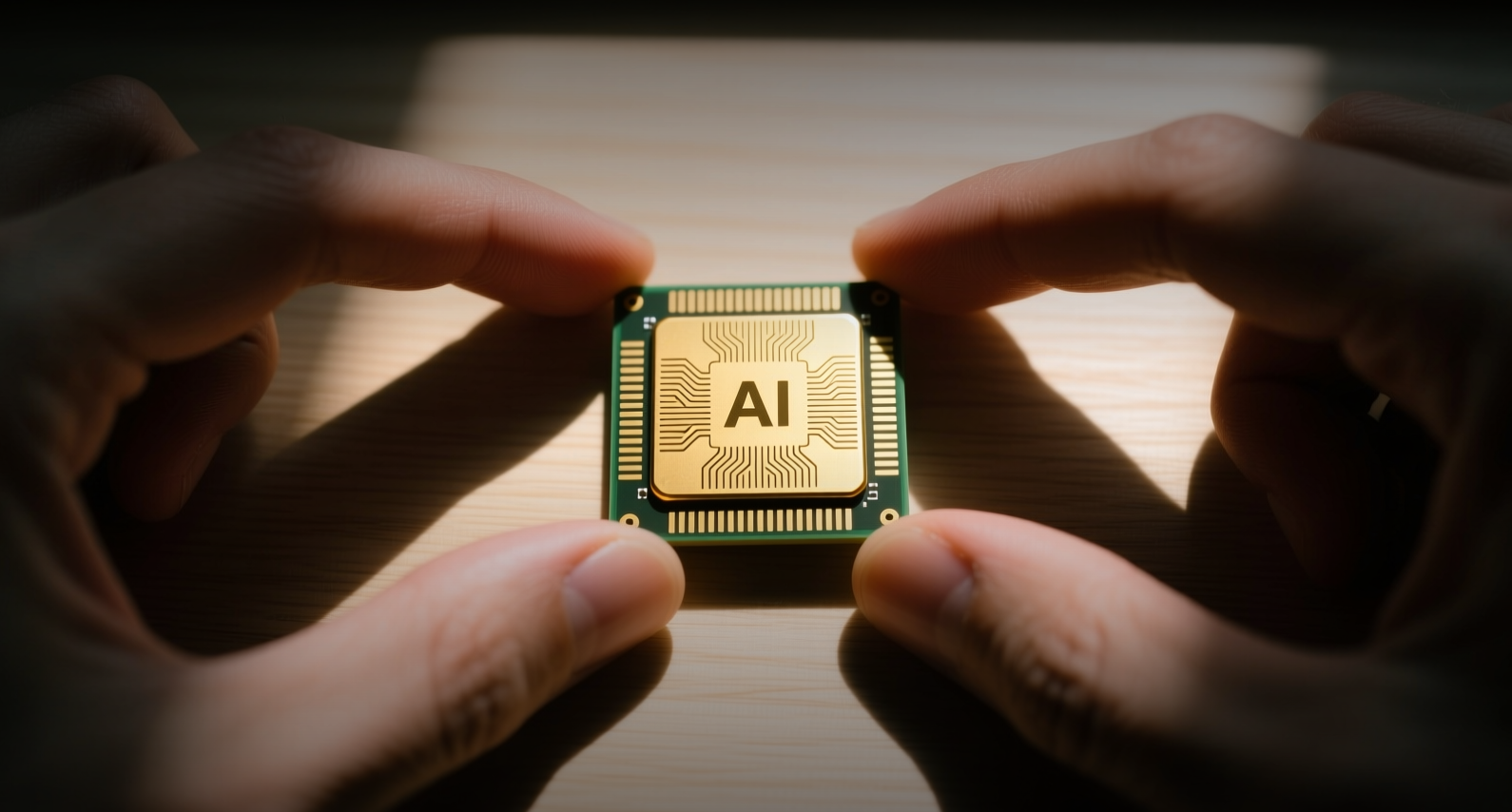
Wall Street's major indexes closed higher Monday, with the Nasdaq leading gains as semiconductor stocks rebounded on dip buying after a recent selloff. The tech-heavy index rose as chipmakers including Nvidia and SK Hynix drew buyers looking to capitalize on lower valuations following a multi-session decline that had weighed on the sector. The Dow Jones Industrial Average also posted gains, though its advance was more modest as energy and industrial stocks lagged.
"There are two types of economies, AI and everything else," Peter Tchir, head of macro strategy at Academy Securities, said on Bloomberg. The divergence means capital continues rotating into technology and semiconductor names while traditional sectors face headwinds from higher rates and the US-Iran conflict, he said.
The Philadelphia Stock Exchange Semiconductor Index climbed as investors looked past fresh hostilities between the US and Iran that had pushed oil prices higher last week. Crude declined Monday, providing a tailwind for equities as lower energy costs ease input price pressures across the economy. The rebound in chip stocks follows a selloff that had erased gains from earlier in the month, with traders citing profit-taking ahead of earnings season. SK Hynix, which is preparing to report quarterly results, was among the top gainers as investors bet on sustained demand for high-bandwidth memory used in AI data centers.
The "two economies" narrative reinforces a growing conviction among investors that AI-related capital expenditure will sustain outperformance in semiconductor and data center stocks, even as the rest of the economy slows. Tchir's framework echoes a growing Wall Street view that the AI investment cycle has decoupled from traditional economic indicators such as employment and consumer spending. For traditional sectors, the outlook remains more uncertain: higher borrowing costs and geopolitical risks continue to weigh on industrials, financials and consumer discretionary names.
The divergence carries implications for portfolio construction. Investors increasing exposure to AI-related equities may need to hedge against concentration risk, as the technology sector's weighting in the S&P 500 has grown to levels not seen since the dot-com era. The next test for the AI trade comes later this month when major chipmakers report quarterly earnings, with consensus estimates calling for continued double-digit revenue growth driven by demand for AI training and inference hardware. Until then, Tchir's framework suggests investors should treat AI and non-AI exposures as separate asset classes with distinct risk profiles.
This article is for informational purposes only and does not constitute investment advice.
