
A 25% collapse in British exports to the United States has flipped the UK’s longstanding trade surplus into a deficit, highlighting the economic cost of escalating trade tensions.
A 25% collapse in British exports to the United States has flipped the UK’s longstanding trade surplus into a deficit, highlighting the economic cost of escalating trade tensions.
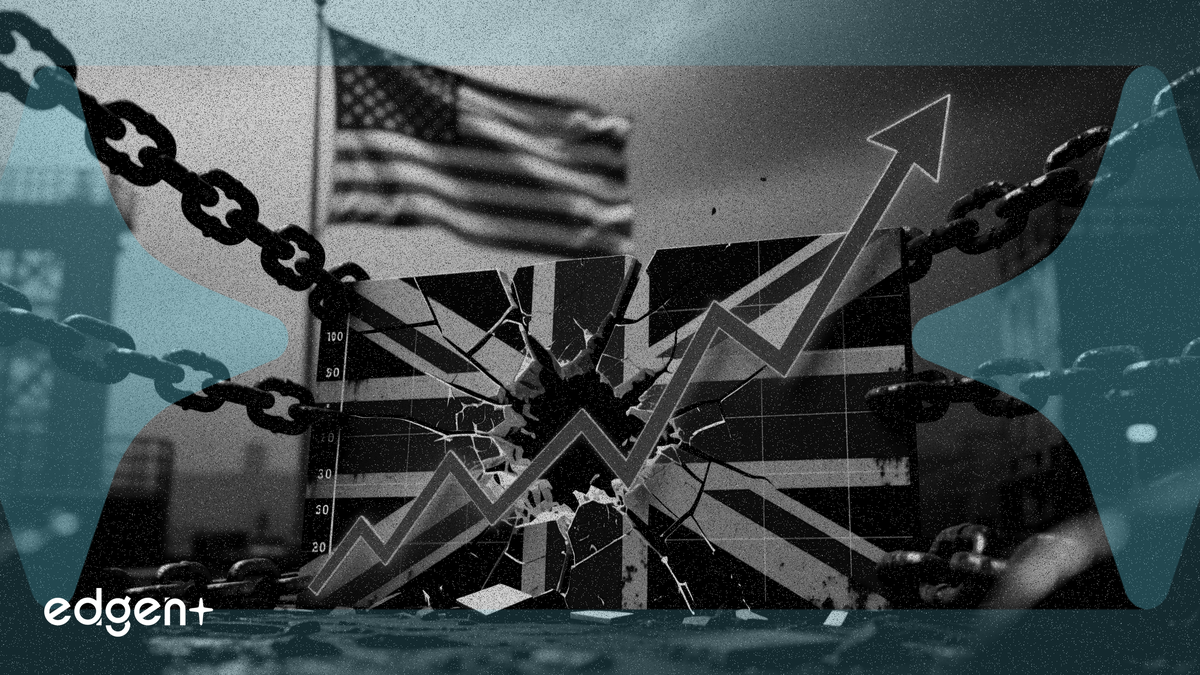
(P1) United Kingdom exports to the U.S. have plunged by a quarter after Washington imposed a fresh round of tariffs in April 2025, pushing the UK into a trade deficit with its largest single trading partner. The broad-based tariffs, which the Trump administration enacted under a "liberation day" banner, have had a significant impact on transatlantic trade flows.
(P2) "The market wanted EU domestic companies that were immune to dollar weakness and tariffs last year," said Will James, manager of the Guinness European Equity Income fund. "This year it’s been similar – the market is backing last year’s winners because it doesn’t really know what else to do."
(P3) The 10% tax on most goods imported from Britain led to an immediate impact, with the Scotch Whisky Association reporting a 15% fall in export volume to the U.S. after the tariffs were first announced. The shift has been stark, turning historical trade surpluses into deficits and forcing a re-evaluation of corporate and investor strategy in Europe.
(P4) The core issue is the fragility of European economies, which now face a trilemma: reliance on the U.S. for security, a history of dependence on Russian energy, and a past reliance on Chinese growth. With geopolitical uncertainty shaping markets, the risk of a broader recession looms, forcing Europe to focus inward as the tariff impact ripples through industrial sectors.
The sudden trade shift has introduced significant uncertainty for multinational corporations and investors. While President Trump recently announced a removal of some tariffs on Scotch whisky, calling it a move to help trade between Scotland and Kentucky, the wider tariff structure remains in place. The White House has given "preferential duty access for whiskey produced in the United Kingdom," but details remain scarce on whether this is a full removal or a reduction.
For many European fund managers, the flow of capital is now being redirected. "Europe realised it couldn’t rely on the US for defence, couldn’t rely on Russia for cheap energy and couldn’t rely on China for growth. Europe has to focus inward," James noted, highlighting a structural shift in investment strategy. His fund, for example, avoids sectors like defence and materials that are heavily influenced by government spending and macroeconomic narratives.
The impact has not been evenly distributed. The Scotch Whisky Association said its export volume to the U.S. fell 15% after the tariffs were announced, costing millions of pounds every month. John Swinney, Scotland’s first minister, called the potential removal of the whisky tariff a “tremendous success,” stating that “People’s jobs were at stake.”
However, the broader industrial impact continues to be a headwind. CNH Industrial, for example, reported first-quarter revenue of $3.83 billion, missing estimates as it navigates a complex global trade environment. The situation highlights how tariff policies, even when selectively eased, create a volatile and unpredictable backdrop for businesses with global supply chains.
This article is for informational purposes only and does not constitute investment advice.

