
主なポイント:
- 米国と中国は今週、約300億ドル規模の非機密品目に対する相互の関税引き下げについて協議する予定です。
- 今回の会談は、停戦に至る前に関税が145%まで上昇した緊迫した貿易戦争を経て行われるものです。
- 合意に至れば、事業コストの低下、消費者価格の抑制につながり、製造、小売、テクノロジー分野の企業を後押しする可能性があります。
主なポイント:
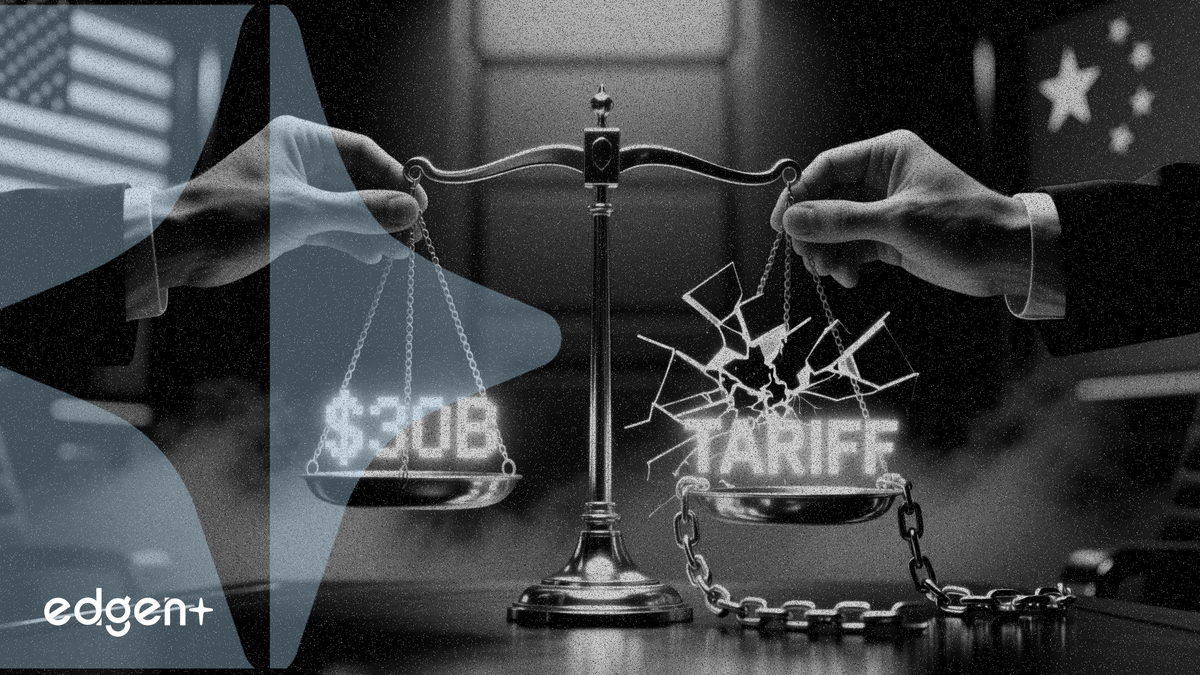
米国と中国は今週、双方約300億ドル相当の非機密品目に対する関税の相互引き下げを中心とした協議を行い、管理貿易に向けた重要な一歩を踏み出す構えです。
「中国は譲歩よりも一貫性を重視しています。トランプ氏の予測不能さは、北京の視点からすれば、それ自体が戦略的な足かせなのです」と、北京を拠点とする政治アナリストのアイナー・タンゲン氏はアナドル通信に語りました。
野村証券によると、現在、中国からの輸入に対する米国の平均関税率は約22%であり、貿易戦争のピーク時からは大幅に低下しています。今回の協議は、ワシントンの関税が145%に達し、北京が最大125%の関税で報復した後に確立された脆弱な休戦状態を土台にすることを目指しています。
合意が成立すれば、重大な緊張緩和の兆しとなり、企業や消費者のコストを押し下げる可能性があります。製造、小売、テクノロジーなどの分野で米中貿易に依存している企業にとって、合意は利益を大きく押し上げる要因となり、世界市場からも好意的に受け止められる可能性が高いでしょう。
突破口が開かれる可能性は、激しい経済摩擦の期間を経て浮上しました。貿易戦争では両国が急激な関税を課し、商業活動はほぼ凍結状態となりました。ニューヨーク・タイムズ紙の報道によると、中国は独自の関税で報復し、さらに極めて重要な点として、レアアース(希土類)の輸出を制限することで、この膠着状態を巧みに乗り切りました。中国が半導体や電気自動車などの産業に不可欠な元素の世界供給量の90%以上を精製していることから、この動きは交渉担当者をテーブルに呼び戻すことに成功しました。
中国米国研究学院のソーラブ・グプタ氏はアナドル通信に対し、北京の議題は関係の「予測可能性」を達成することに焦点を当てていると述べました。習主席は、既存の関税と輸出管理の撤回を求めると予想されます。
貿易が主要な争点である一方で、他の機密性の高いトピックも議題に上がっています。タンゲン氏は、北京の優先事項を「台湾、貿易、包囲網の撤回」と特定し、台湾を「中国にとって最も敏感な国家問題」と呼びました。アナリストは、北京がレッドラインと見なす台北に対する米国の支援について、レトリックに変化があるかどうかに注目するでしょう。
この記事は情報提供のみを目的としており、投資アドバイスを構成するものではありません。
