
A second round of US-Iran peace talks is scheduled for April 27 in Pakistan, with US envoys set to meet an Iranian delegation.
A second round of US-Iran peace talks is scheduled for April 27 in Pakistan, with US envoys set to meet an Iranian delegation.
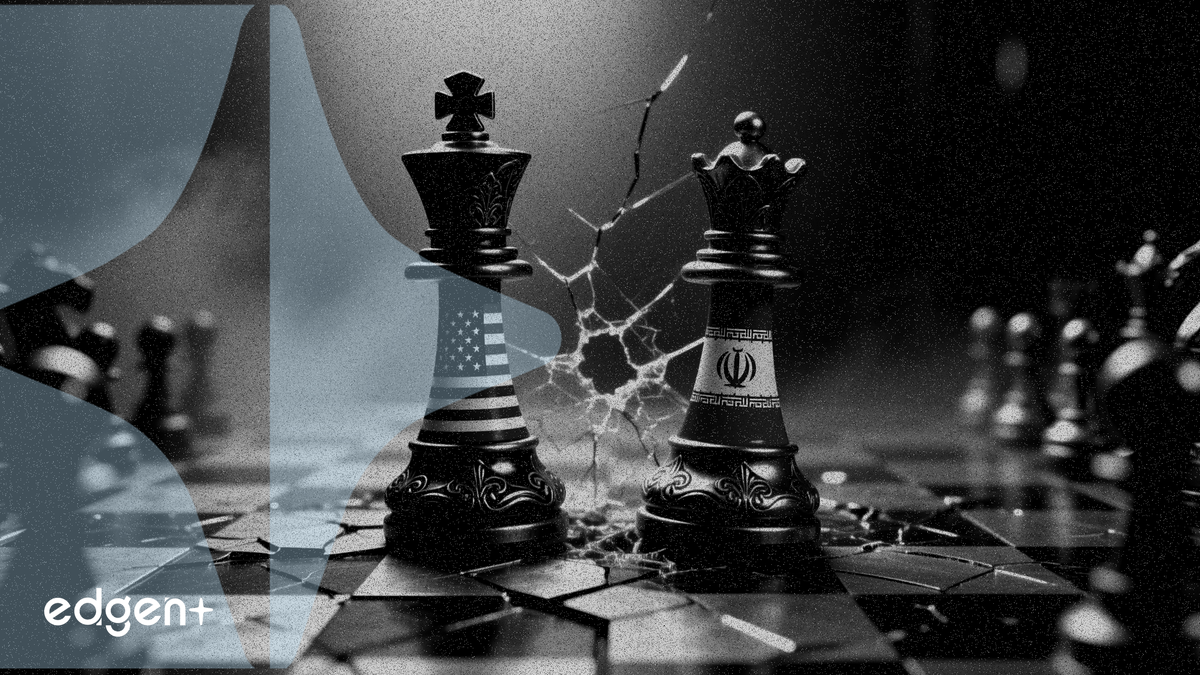
Global markets are rallying on hopes that a second round of US-Iran negotiations, set for April 27 in Pakistan, could de-escalate a conflict that has throttled global oil supply.
The United States and Iran are scheduled to hold a second round of peace talks on April 27, lifting the S&P 500 by nearly 1 percent as traders weigh diplomatic optimism against a US naval blockade that has pushed Brent crude above $106 a barrel.
"They're making an offer and we'll have to see," U.S. President Donald Trump told Reuters, confirming the diplomatic track even as his administration maintains its hardline stance.
The prospect of dialogue sent US crude prices down to around $94 a barrel, though Brent remains elevated. The S&P 500 booked its longest weekly advance since 2024 on the news. Conversely, COMEX gold futures fell $52 to $4,672 an ounce as the potential for de-escalation cooled safe-haven demand.
The talks represent a critical juncture. A breakthrough could reopen the Strait of Hormuz, which handles about a fifth of the world's oil supply, potentially easing inflationary pressures. Failure, however, could solidify high energy prices and risk a wider conflict, with a third US aircraft carrier already in the region.
US President Donald Trump is sending special envoy Steve Witkoff and his son-in-law Jared Kushner to Islamabad for the weekend talks, the White House confirmed. Iranian Foreign Minister Abbas Araghchi arrived in the Pakistani capital on Friday, though Iranian state media has stated that direct talks with the US delegation are not planned, according to a report from MSN [3].
The diplomatic push comes after weeks of heightened military tension. US Defence Secretary Pete Hegseth has confirmed that a naval blockade of Iranian ports will remain in place, having turned back 34 vessels so far. President Trump also authorized the US Navy to use lethal force against any Iranian attempts to disrupt shipping in the Strait of Hormuz, a critical chokepoint for global energy.
The market's positive reaction mirrors the brief rally seen after the initial ceasefire was announced, a period where oil prices temporarily dipped 5 percent before climbing again as blockades remained. This highlights the market's sensitivity to diplomatic headlines, even as the underlying military posturing remains aggressive.
The conflict's economic impact has been widespread, with the Indian rupee's valuation sinking to a more than decade low, bruised by the surge in crude oil prices. European Union leaders have stated it is still too early to consider easing sanctions, adding another layer of complexity to the negotiations.
This article is for informational purposes only and does not constitute investment advice.