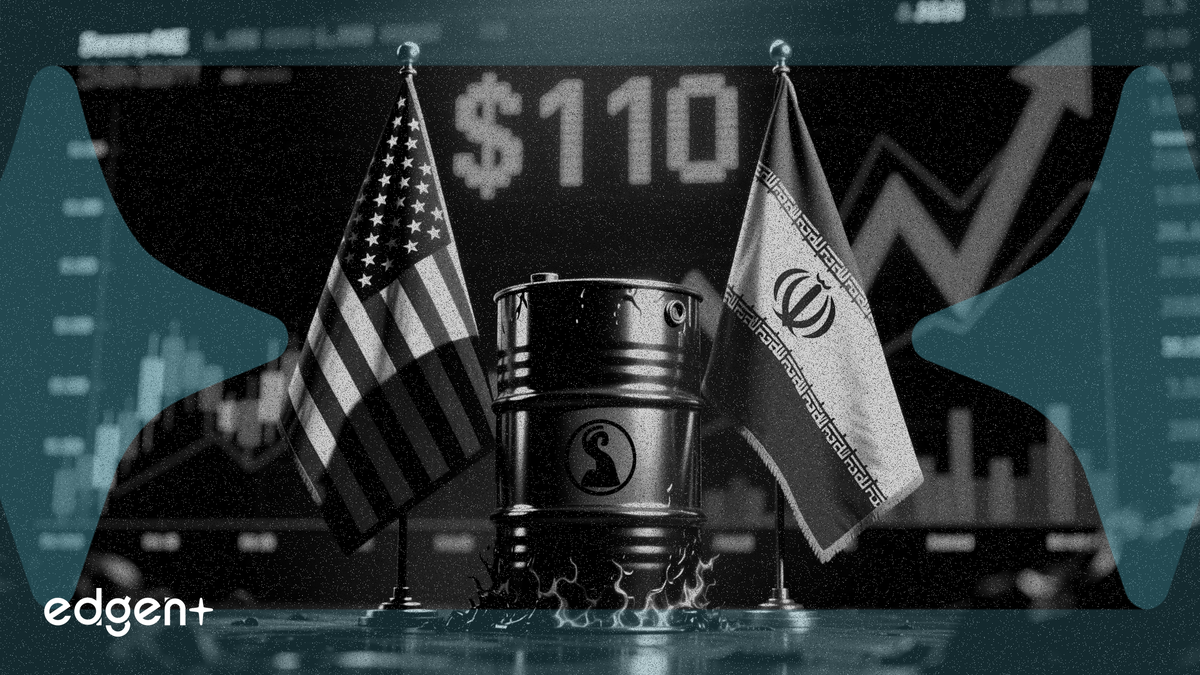
A new round of US-Iran negotiations will be held in Islamabad at the end of May, offering a potential path to de-escalate a conflict that has gridlocked global shipping and pushed oil prices over $110 a barrel.

(P1) The United States and Iran will hold a new round of negotiations in Islamabad, Pakistan, at the end of May, a critical diplomatic effort aimed at ending a conflict that has disrupted nearly 20% of the world’s oil supply. The talks, confirmed by Saudi Arabia's Al Arabiya television, come as Brent crude futures trade around $110.28 a barrel, reflecting the high stakes for the global economy.
(P2) "For us, surrender holds no meaning; we either triumph or become martyrs," Iran's Deputy Foreign Minister Kazen Gharibabadi said on X, formerly Twitter, criticizing what he called threats disguised as diplomacy from the US. The statement highlights the deep-seated mistrust that negotiators must overcome.
(P3) The announcement follows a period of intense volatility. President Donald Trump revealed he recently aborted a planned military strike on Iran at the request of Gulf allies, including Qatar and Saudi Arabia, to allow the Pakistan-brokered negotiations to proceed. Meanwhile, oil markets saw some relief, with Brent futures easing nearly 1 percent after Trump hinted at a potential deal, down from highs that have strained the global economy.
(P4) At stake is the potential for a wider regional war that could draw in global powers and further devastate the Middle East. A successful outcome could reopen the Strait of Hormuz, where traffic has slowed to a trickle, and stabilize energy markets. Failure could see a resumption of hostilities that have already cost dozens of aircraft, killed thousands in Lebanon, and led to a US blockade of Iranian ports that has redirected 88 commercial vessels.
The upcoming talks follow a flurry of diplomatic activity aimed at pulling the region back from the brink. Pakistan's Foreign Minister Mohsin Naqvi recently made two visits to Tehran within 24 hours, underscoring the urgency of the mediation efforts. These negotiations are the latest attempt to find a diplomatic off-ramp after months of escalating conflict, which has included Israeli strikes in Lebanon, Iranian attacks on regional shipping, and a US-led campaign of economic pressure through sanctions on Tehran's "shadow fleet" and financial networks.
The US has sanctioned 19 vessels and targeted currency exchange houses like Amin Exchange, which it accuses of laundering money for sanctioned Iranian banks. Treasury Secretary Scott Bessent has called on European allies to "join the United States in moving aggressively" on sanctions to curb Iran's income, which the US says funds the regime's military operations.
The conflict's economic and human toll continues to mount. The US has reportedly lost 42 aircraft, including costly F-35 fighters and MQ-9 Reaper drones. In Lebanon, Israeli strikes have killed over 3,000 people, according to the country's health ministry. The fighting has also created deep divisions among Gulf states, with the UAE taking an assertive stance against Iran while Qatar and Oman focus on mediation.
The partial closure of the Strait of Hormuz has forced nations and companies to seek alternatives. The UAE and Oman have launched a new "logistics corridor" to bypass the strait for consumer goods, while India's Bharat Petroleum Corporation is increasing spot crude purchases to ensure supply. The last time the Strait of Hormuz was similarly threatened during the 1980s "Tanker War," oil prices spiked more than 100 percent, leading to a global recession.
This article is for informational purposes only and does not constitute investment advice.